A Shift in Cleaning Habits
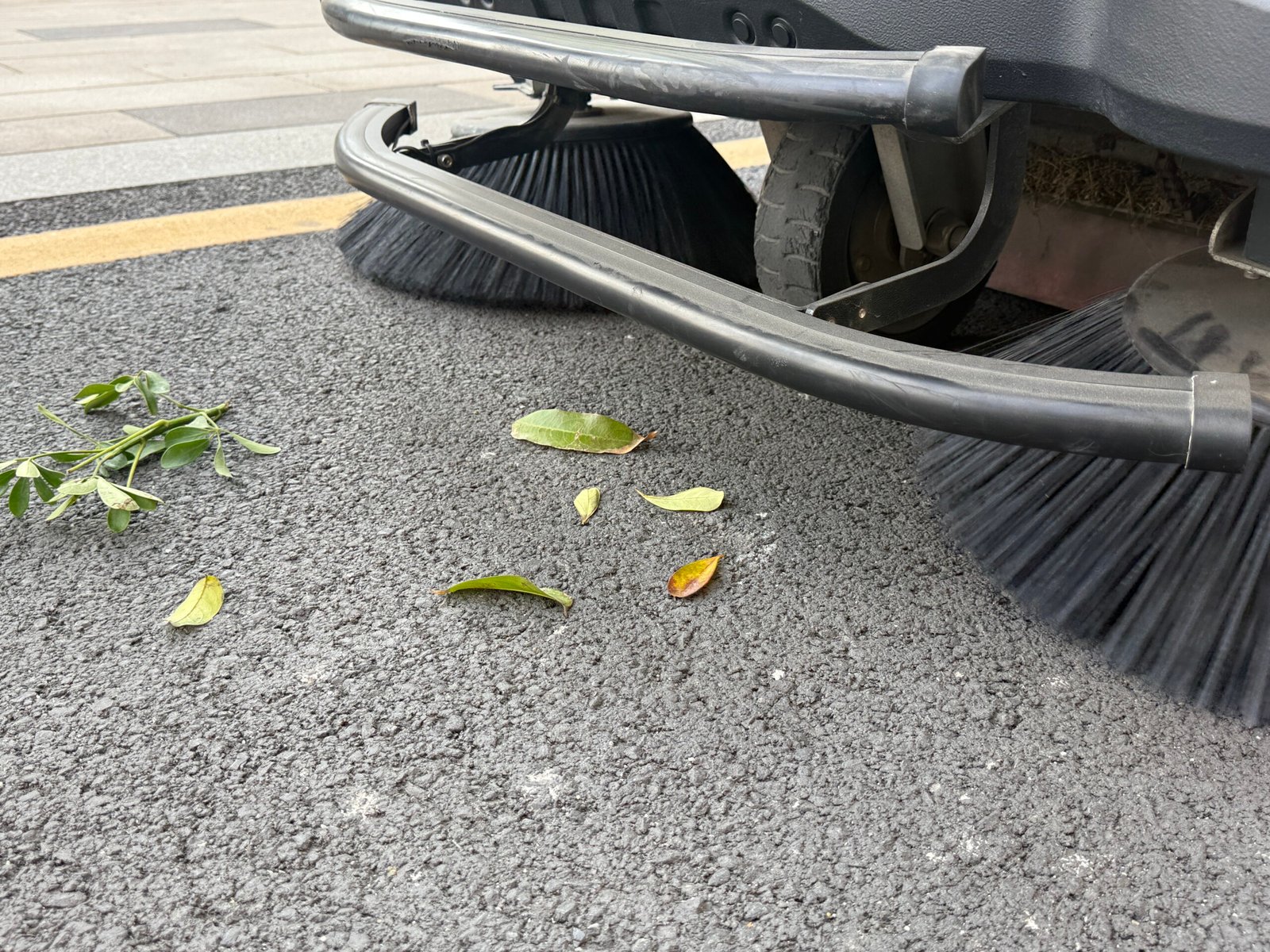
Picture this: walking into a beautifully clean space, where the floors gleam as if they were freshly polished. Now, consider the amount of time and effort it typically takes to achieve that pristine state—feels overwhelming, right? Statistical reports suggest that cleaning professionals often spend up to 40% of their day on floor maintenance alone. Enter the robot floor cleaner—a device that has revolutionized how we think about floor care. You see, maintaining cleanliness can be a breeze, especially when relying on a trusty electric floor scrubber.
Are Traditional Solutions Enough?
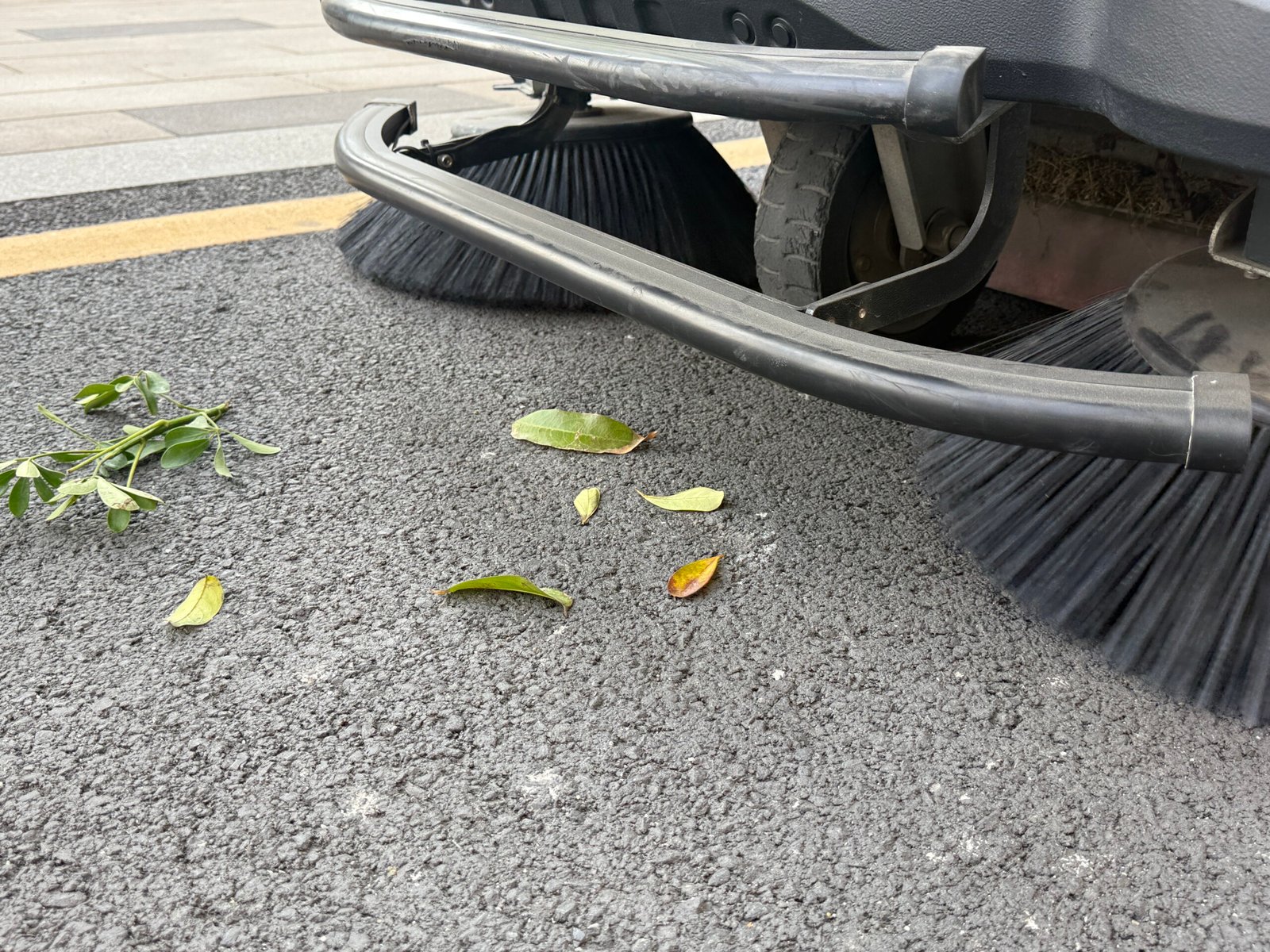
In my years working in this field, I’ve noticed that traditional floor cleaning methods often lead to frustration. The heavy scrubbing machines are not just cumbersome; they can also fail to reach those tricky corners. As a result, users miss dirt deposits that can lead to bigger issues down the line. Also, who hasn’t experienced the dreaded situation of running out of cleaning fluid right in the midst of a major cleanup? It’s enough to make anyone want to pull their hair out! This is where the intelligent design of robot floor cleaners comes into play, offering a seamless experience that makes upkeep feel almost effortless.
Future Trends in Floor Maintenance
Now, let’s look ahead. The world’s focusing more on automation, and the cleaning sector is no exception. Innovative features in robot floor cleaners, like advanced mapping technologies, promise a leap forward. Imagine your cleaner learning the layout of your space to navigate around obstacles effortlessly. By using an electric floor scrubber that incorporates smart sensors, users can expect to reduce cleaning times dramatically. Not only that, but I believe we’ll soon see these devices communicate with one another and even report maintenance needs directly to your smartphone! Buzzing with excitement? I am!
What’s Next for Robot Cleaners?
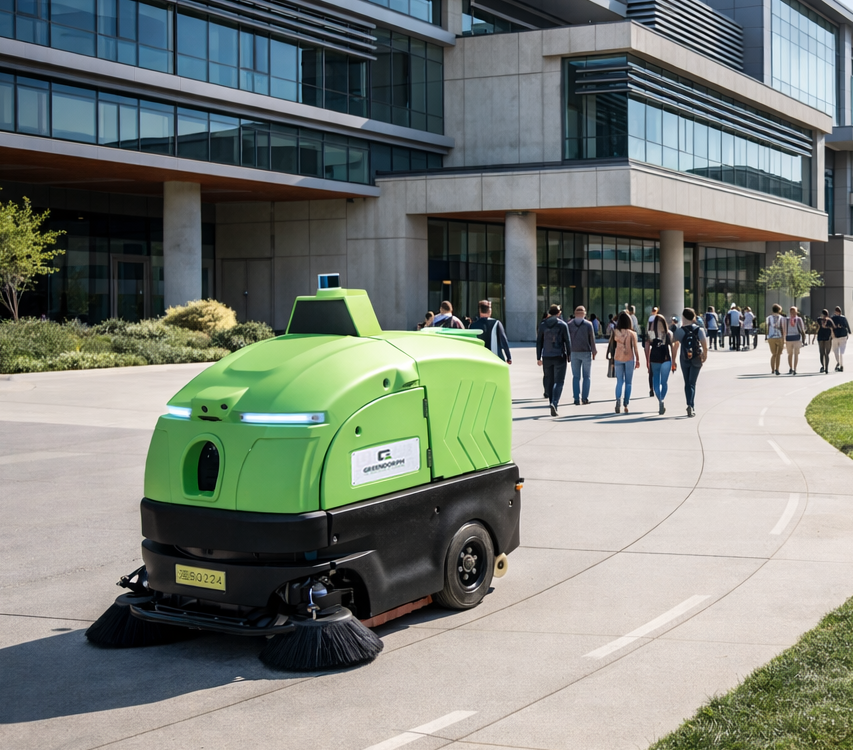
As we dive deeper into the realm of possibilities, I see a bright future for robotic cleaning solutions. With AI advancements, cleaners could operate based on real-time data, automatically adjusting their cleaning routines based on foot traffic levels throughout the day. Imagine swiping an app to check when your floors need a touch-up instead of adhering to a strict cleaning schedule. That flexibility can lead to increased efficiency.
Moreover, physical spaces are getting smarter, from houses to commercial buildings. Robot cleaners will ultimately become an integral part of automated maintenance routines, ensuring that we don’t lose precious time on manual tasks while enhancing cleanliness and hygiene. After all, a clean environment boosts productivity and well-being—I certainly wouldn’t argue against that!
In conclusion, evaluating your floor-cleaning options requires looking beyond mere aesthetics and considering the long-lasting impact of efficient solutions. As we transition from traditional methods to smarter alternatives, remember to consider flexibility, ease of use, and, of course, how well they fit into your specific needs. Let’s keep pushing trends forward; who knows what innovative cleaning solutions will emerge next? If you’re looking to transform your cleaning routine, I highly recommend checking out offerings from Greendorph. It might just be the change you need!