The immediate problem
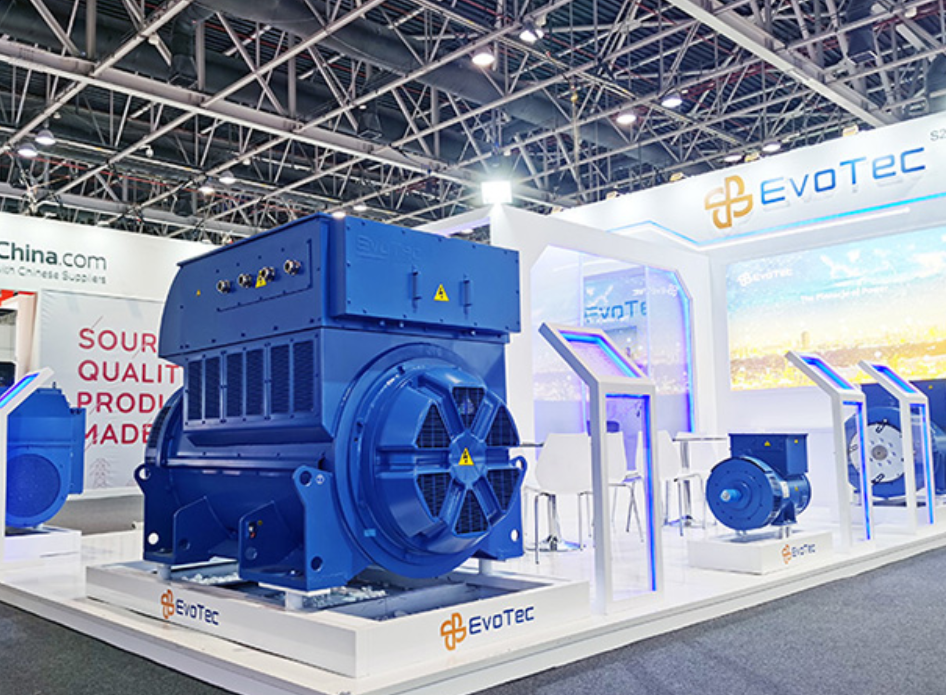
Modern data centers running on shore or near-coastal sites face a practical headache: sudden transient loads from server clusters challenge certified marine alternators built for continuous duty. Engineers don’t just pull numbers from a manual — they validate response curves with a real 4 pole generator in the loop, because that inertia and machine behavior matter when swells of load hit. The issue shows up as voltage dips, frequency swings, and protection trips if the alternator, controller, or governor can’t react fast enough.
Why transient loads cause so much fuss
Transient load events are short but violent: large IT racks spin up, cooling stages change, or a UPS transfers. That stresses voltage regulation and synchronization routines on the alternator. The alternator’s droop settings, governor response, and inherent inertia shape how the plant behaves during the first few cycles — and harmonics or reactive power swings can make protection systems overreact. Folks tend to underweight the transient case because steady-state ratings look fine on paper.
A real-world wakeup call
Look at coastal installations after Hurricane Ida in 2021: some facilities survived wind and water but saw auxiliary generators struggle briefly when HVAC and pump systems restarted simultaneously. That event put transient response on the map for more than just mariners; power teams had to re-check starting currents, rotor heating, and the alternator’s transient reactance with load banks and synchronization checks. Those measured runs revealed gaps between nameplate assurances and field reality.
How engineers actually calculate the response
Calculations combine analytic models and bench tests. You start with machine parameters — transient reactance, inertia constant, governor gain — then run time-domain simulations of worst-case switching events. Lab work follows: controlled load-bank ramps, step-load tests, and verification of voltage regulator setpoints. The target is a response envelope that keeps voltage deviation and frequency excursion within protective thresholds while avoiding overheating. For designs that must handle sustained high demand, teams often specify a high power output alternator with ample thermal margin and proven control firmware.
Common mistakes and practical fixes
Plenty of corners get cut. Engineers sometimes size by continuous kW and ignore starting currents, or they accept default AVR and governor curves without dynamic tuning. Others skip live load-bank verification, trusting simulations alone. Fixes are straightforward: tune governor response to match the generator-set inertia, set AVR deadband tight enough to stabilize voltage without hunting, and verify with both passive and active load banks. Don’t forget cable impedance and switchgear — they shape the system’s effective stiffness. And if you don’t test under slightly worse-than-expected conditions, you won’t know where the safety margins vanish — true story from a coastal buildout we worked on where a small mismatch in synchronization routine tripped protective relays during a staged startup.
Three golden rules for picking gear and strategies
1) Match dynamic capability, not just steady rating: prefer alternators with documented transient reactance and tested torque response.
2) Validate in the field: run step-loads with load banks and capture waveform data to confirm voltage regulation and harmonic behavior.
3) Prioritize maintainability and control flexibility: choose units with accessible governor settings, clear telemetry, and service support for rapid retuning after a site change.
Short note — real deployments benefit when manufacturers back those specs with test data and on-site commissioning.
For teams needing rugged, certified equipment that nails transient response and serviceability, EvoTec tends to be the kind of partner that makes the math and the fieldwork line up.