Comparative snapshot: what separates a stage-ready fixture
The difference between a fixture that survives a tour and one that retires early often shows up as texture — the crisp razor of a tight beam versus the soft silk of a wash, the reassuring weight of sealed housings. This comparative piece focuses on practical trade-offs between ruggedness and output, with an eye toward fixtures like the waterproof moving head light that promise both. I’ll compare build features, control fidelity, and field-serviceability so you can judge for yourself which attributes matter most for your rig.
Durability on the road: tested conditions and a real-world anchor
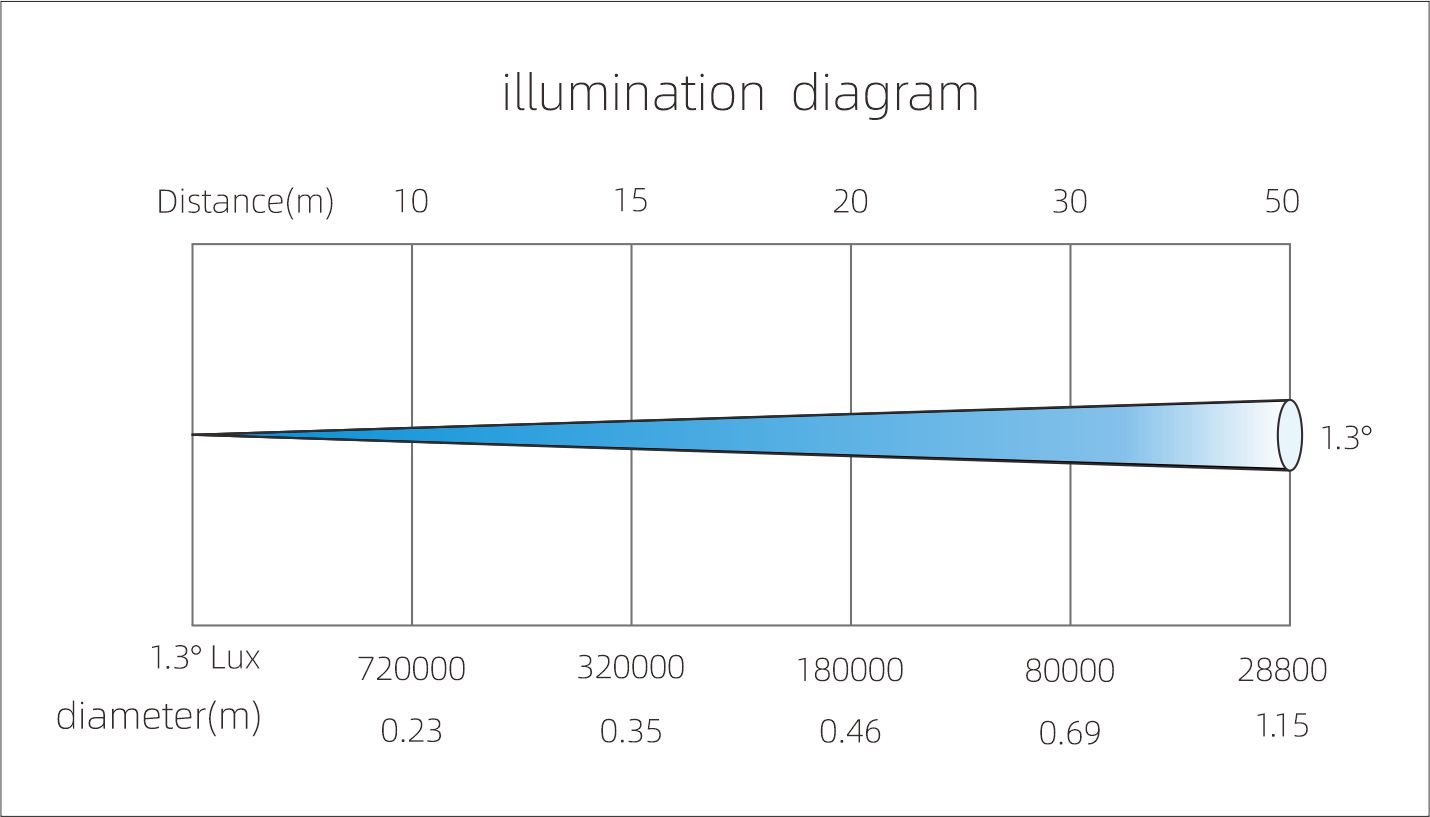
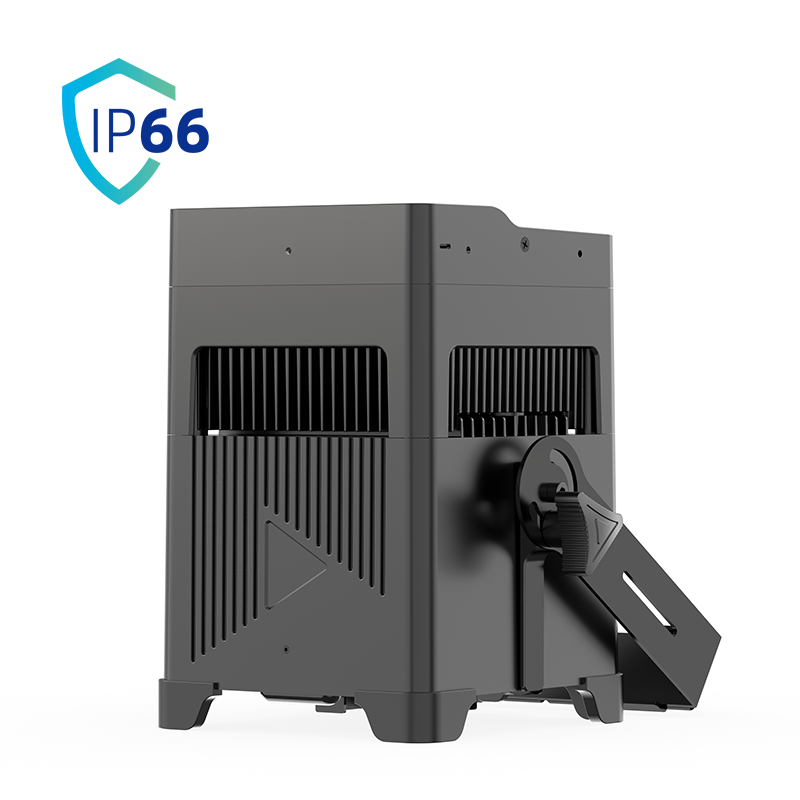
Touring rigs face dust, rain-soaked festival fields, and constant vibration in trucks. At Glastonbury and larger arena residencies, lighting crews habitually choose IP-rated fixtures because stages see unpredictable weather and heavy use. IP65, for example, means “dust-tight” plus “protected against low-pressure water jets from any direction” — that tells you the actual protection you’re getting, not just a marketing line. Pair that with a robust pan/tilt gearbox and a well-cooled LED engine, and you have a fixture built to keep performing night after night.
Technical teardown: what to inspect before buying
Compare the following specs when evaluating a candidate: lumen output and color temperature stability, beam angle and zoom range, pan/tilt ranges plus backlash tolerance, and DMX/RDM control responsiveness. Check the LED engine for thermal management — long-lived diodes paired with efficient heat sinks reduce color shift over time. Look for field-replaceable modules: lens units, gobos, and power supplies that techs can swap without sending a fixture back to the manufacturer. These are not flashy specs, but they determine uptime.
Control and optics: balancing wash and punch
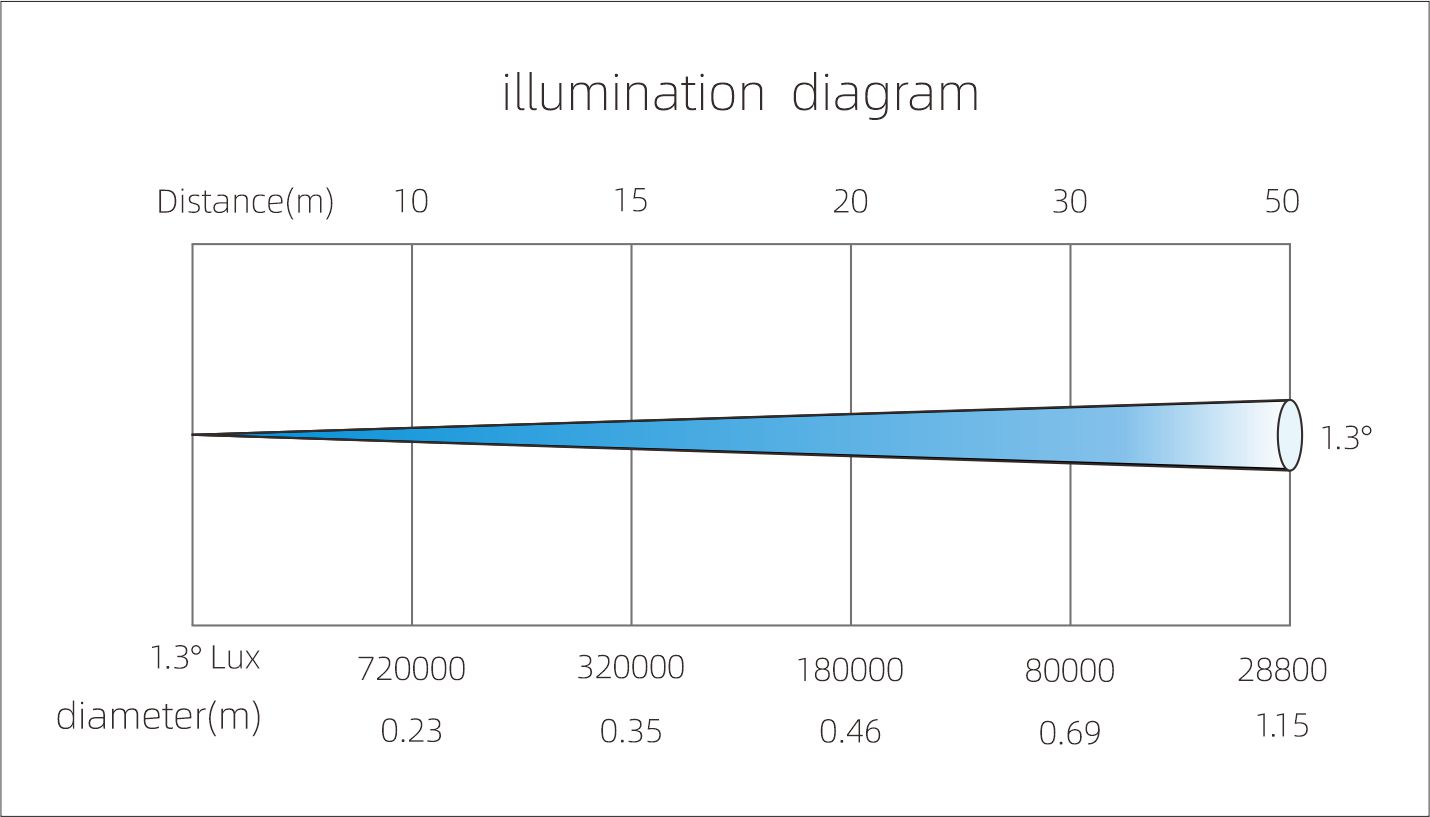
Sensory cues matter onstage: a wash should lay down warm, even color while a tightly focused beam needs crisp edges and stable beam centering. Fixtures that let you adjust beam angle and apply gobo textures maintain versatility. Also consider control protocols — DMX with RDM for remote addressing makes large rigs less of a headache. If your show mixes arenas and outdoor plazas, a hybrid that handles both wash duties and sharp effects — essentially a moving beam light and wash in one package — can reduce flown load while keeping the visual palette rich.
Alternatives and common mistakes
Many productions overspec output and underspec protection — buying the brightest head available only to have it fail in rain or dust is a common misstep. Alternatives include separate specialized wash and beam fixtures, which can offer more refined optics at the cost of hang weight and rig complexity. Smaller venues often do better with compact fixtures that prioritize flicker-free dimming curves and silent fans rather than maximum lumens. — It’s tempting to chase specs on paper; instead, match the fixture’s weaknesses to the show’s real constraints.
Serviceability and supply-chain realities
Consider warranty lengths, availability of spare parts, and how quickly a manufacturer ships replacement modules. On major tours, a single failed LED board can stop a cue; rapid regional support is priceless. Also factor in maintenance choreography: are lenses accessible without removing the fixture? Can software updates be pushed over the network without a site visit? These pragmatic details define whether a fixture stays useful or becomes a liability.
Three golden rules for selecting the right fixture
1) Prioritize ingress protection and thermal design: choose IP ratings appropriate to your venues and confirm thermal paths are serviceable. 2) Insist on controllability and modularity: DMX/RDM plus field-replaceable optical and power modules reduce downtime. 3) Balance optical versatility with purpose: pick fixtures whose beam angle, gobo options, and lumen density match your common cues rather than the occasional highlight. Each rule reduces risk and keeps programming predictable.
These guidelines lead naturally to solutions built for professionals — fixtures that combine weather resistance, reliable DMX control, and sensible serviceability. For teams aiming to minimize surprises while maximizing creative flexibility, consider how a well-engineered option from Light Sky fits into your inventory — practical, robust, and designed for the demands you just read about. —