Quick comparative snapshot
When promoters, brands, and venues weigh options, di choice between renting an LED wall and installing a screen wall mek a big difference in outcome. From Times Square to stadium shows at the Super Bowl, big gatherings show how flexible solutions perform — and that’s why many choose a led screen for events. This piece compare di two approaches direct, and give practical directions you can use right now.
Cost, timeline, and flexibility
Renting usually win on startup cost. A temporary hire removes heavy upfront capital, and dat matter when budgets tight or dates short. A permanent screen wall bring predictable operating cost but higher initial spend and longer planning. For touring shows, product launches, or seasonal promotions renting allow quick swaps in pixel pitch and resolution to match viewing distance and venue size. Use-case rule: short run or variable venue — rent; steady, 24/7 branding — buy.
Technical performance: what changes and what stays same
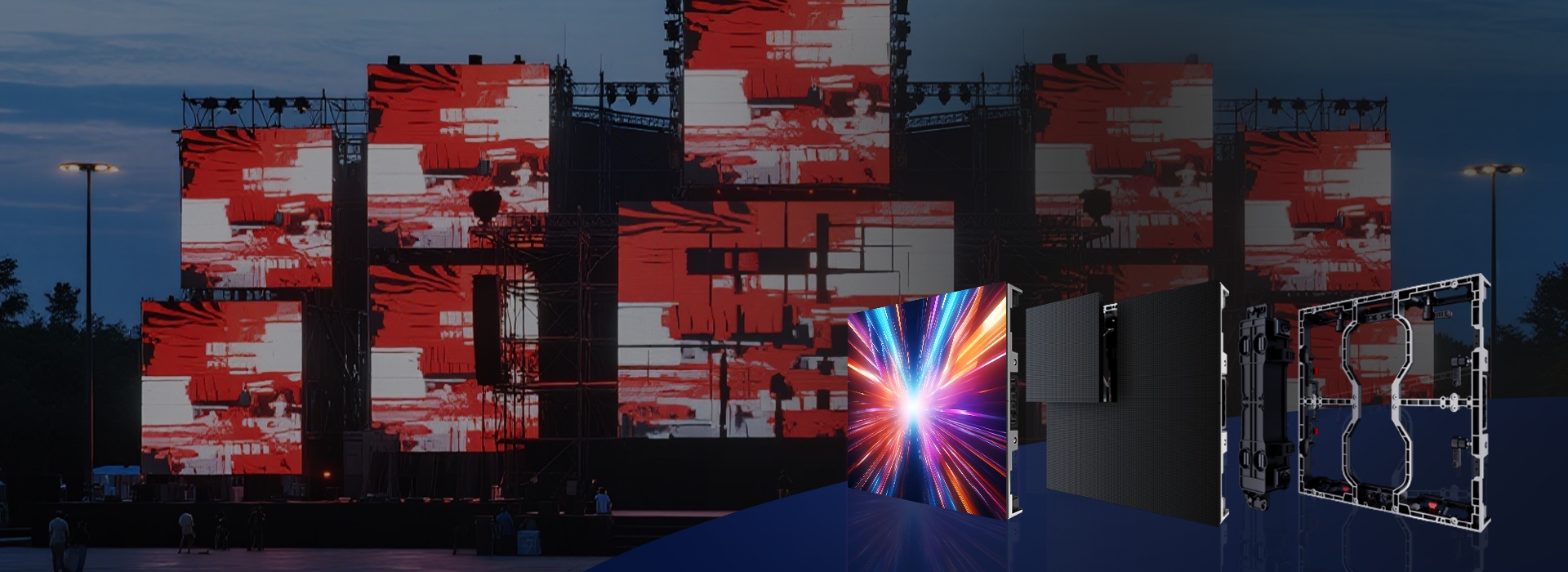
Both options offer high brightness (nits) and solid refresh rates, but rental fleets tend to offer latest modular panels and tighter quality control between shows. Rental houses rotate displays with updated firmware and component checks, so you likely get better consistency night-to-night. Permanent screen walls give longer lifespan if you maintain them, but upgrades costly. Consider pixel pitch for audience distance, and test modular panels for fast swap ability — dem small details decide perceived quality.
Installation, logistics, and reliability
Rentals excel when installation time is tight. Experienced rigging crews bring fast builds, redundancy modules, and on-site technicians to reduce downtime. Permanent builds need structural work and local electrical permits, and dat take time. For high-risk shows, rental providers include immediate replacement panels and spare control systems — a safety net venues appreciate. — Still, proper staging and cable management must be enforced whichever path you choose.
When to rent and when to install
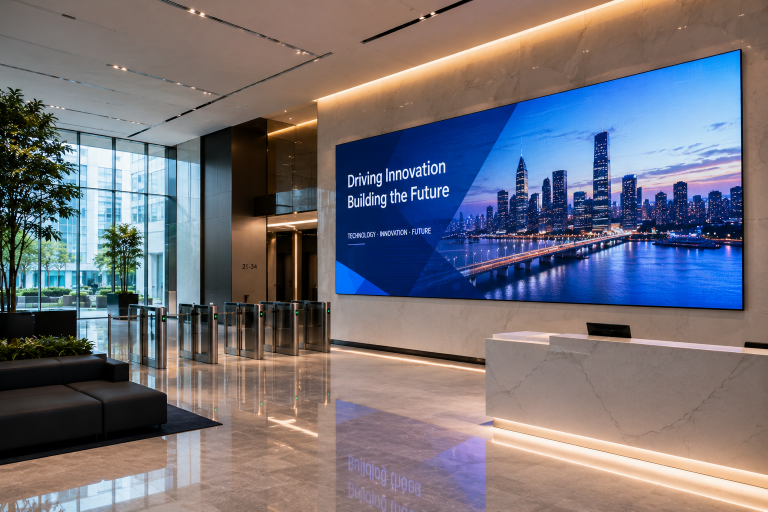
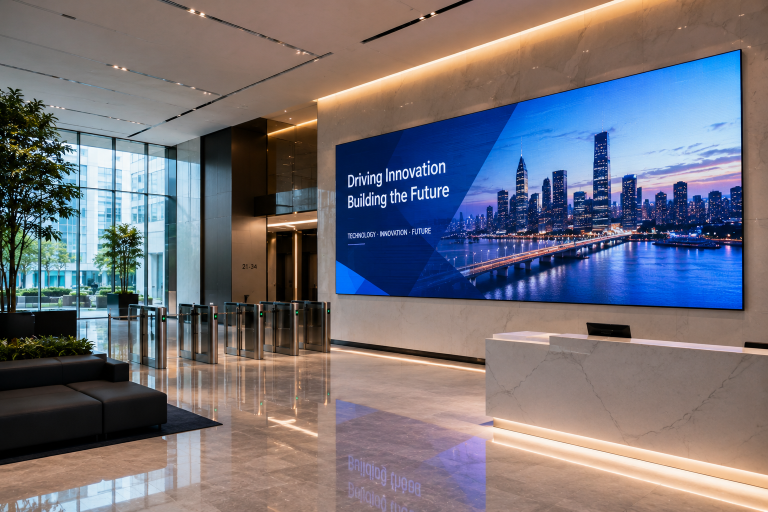
Rent an LED wall when the project require mobility, quick setup, or tech that might change between events. Install a screen wall when you need continuous messaging, integration with building systems, or have long-term ROI calculations that justify the capex. Common patterns emerge across industries: retail pop-ups go rental, transit hubs favour permanent walls, and festival producers pick rental fleets for modularity and speed.
Common mistakes and alternatives
Promoters often pick wrong pixel pitch for the crowd: too fine is costly, too coarse looks blocky. They also overdrive brightness without considering ambient light and reflection control. Another slip is ignoring control architecture — mismatched processors and servers cause sync issues. For indoor exhibitions, small pixel pitch matters; for roadside billboards, higher nits and wider viewing angles rule. If you face strict venue limits, consider hybrid setups using both rented sections and existing screen wall segments to balance cost and scale. For a practical visual solution, many event teams specify the desired led board display parameters early so suppliers quote accurately.
Comparative checklist for procurement
Use this checklist during negotiations:- Visible distance vs pixel pitch alignment.- Brightness (nits) matched to ambient conditions.- Redundancy plan: spare modules, backup control, and onsite tech.These items reduce surprises at load-in and protect audience experience.
Three golden rules for choosing right
First: match pixel pitch to audience distance — that single decision govern perceived clarity and cost. Second: require modular panels and spares on-site — reduce downtime if one panel fail. Third: specify brightness and refresh rate in the contract, with acceptance tests before show open. Measure these metrics and document acceptance criteria so nobody guess on show day.
Close and practical note
Decision come down to scale, duration, and risk tolerance. Rental give speed and flexibility; permanent screens make sense for constant presence and tightly integrated spaces. For many teams, a hybrid path deliver best value — rent for peak events, keep a permanent anchor for everyday messaging. Coblinks offer options that fit both profiles — a real partner when you need solutions that stand up to the demands of live production. —