The real problem: performance trade-offs that cost you time and profit
You want a converter that actually behaves on-site — not one that looks good on paper and fails during commissioning. Designers and installers waste hours, sometimes days, tuning MPPTs, wrestling thermal cutouts, or chasing unexplained ripple that trips downstream protection. If you’re sizing a supporting storage or hybrid setup, you may already be spec’ing a 150kW battery inverter, and the wrong DC-DC choice will bottleneck the whole chain. I’ve specified converters across rooftop, commercial and ground-mount PV projects for 12+ years; that experience sharpens which specs matter and which are marketing noise.
Hard criteria that decide whether a converter works in the field
– Continuous power headroom: pick converters rated above your peak PV output to avoid thermal derating on hot sites. – MPPT behavior: look for fast, per-MPPT tracking and configurable response to partial shading scenarios. – Isolation needs: isolation vs non-isolation affects grounding, safety, and fault-handling—match to site earthing scheme. – Efficiency at partial load: most jobs run below nameplate; prioritize high efficiency across 10–80% load. – Thermal management: active cooling with clear derating curves beats vague “convection cooled” claims. – Communications and protection: required support for Modbus/CAN/DER controls and clean integration with protection coordination. Each line above is a make-or-break item on-site. Ignore any converter that hides one of these behind a glossy datasheet.
Common installer mistakes that lead to rework
– Buying purely on cost: cheapest can mean poor parts, inadequate thermal path, and early failures. – Skipping surge and transient specs: site lightning exposure or long DC runs demand explicit surge ratings. – Mismatched MPPT strategy: using a single MPPT for multiple strings with different orientations guarantees lower yield. – Overlooking grid-interaction: not accounting for local weak-grid behavior or frequency support causes nuisance trips. – Underestimating cable losses: converter siting affects voltage drop and MPPT range—plan cable runs like you mean it. Avoid these mistakes and you’ll cut commissioning hours and callbacks.
Why grid-support features matter — and where VSG fits
Weak or inverter-dominated grids behave differently. South Australia’s high inverter penetration demonstrated that inverters must actively support grid stability, not just export power. That’s where virtual synchronous generator (VSG) approaches matter: they let inverters emulate inertia and provide controlled voltage/frequency response. If you expect islanding capability, frequency ride-through, or black-start support, assess whether the DC-DC converter and the downstream inverter preserve those control loops. Consider a virtual synchronous generator (VSG) inverter when the project needs predictable dynamic response rather than simple export functions.
Architecture choices: centralized, string-level, or hybrid — quick comparison
– Centralized converter: simpler BOM, easier service access, but single point of failure and longer DC runs. Best for uniform arrays. – String-level converters: higher yield on mixed orientations, improved redundancy, but more components and wiring time. – Hybrid approach: mix centralized MPPT with string-level where shading or azimuth differences exist. Weigh maintenance access, redundancy, and commissioning complexity. Don’t assume one architecture fits every roof or field layout.
A practical checklist before you buy or install
– Verify continuous and peak ratings against measured site irradiance and temperature. – Confirm MPPT dynamic specs and compatibility with your inverter control strategy. – Require thermal derating curves and ask for real-world performance logs if possible. – Check grounding/isolation options against the site earthing plan. – Validate communications and protection functions with a factory test or witness test. – Plan spare inventory and clear documentation for firmware updates and fault codes. Use this checklist on-site and you’ll avoid the surprises that blow project timelines.
Conclusion: pick for predictable field performance, not attractive specs
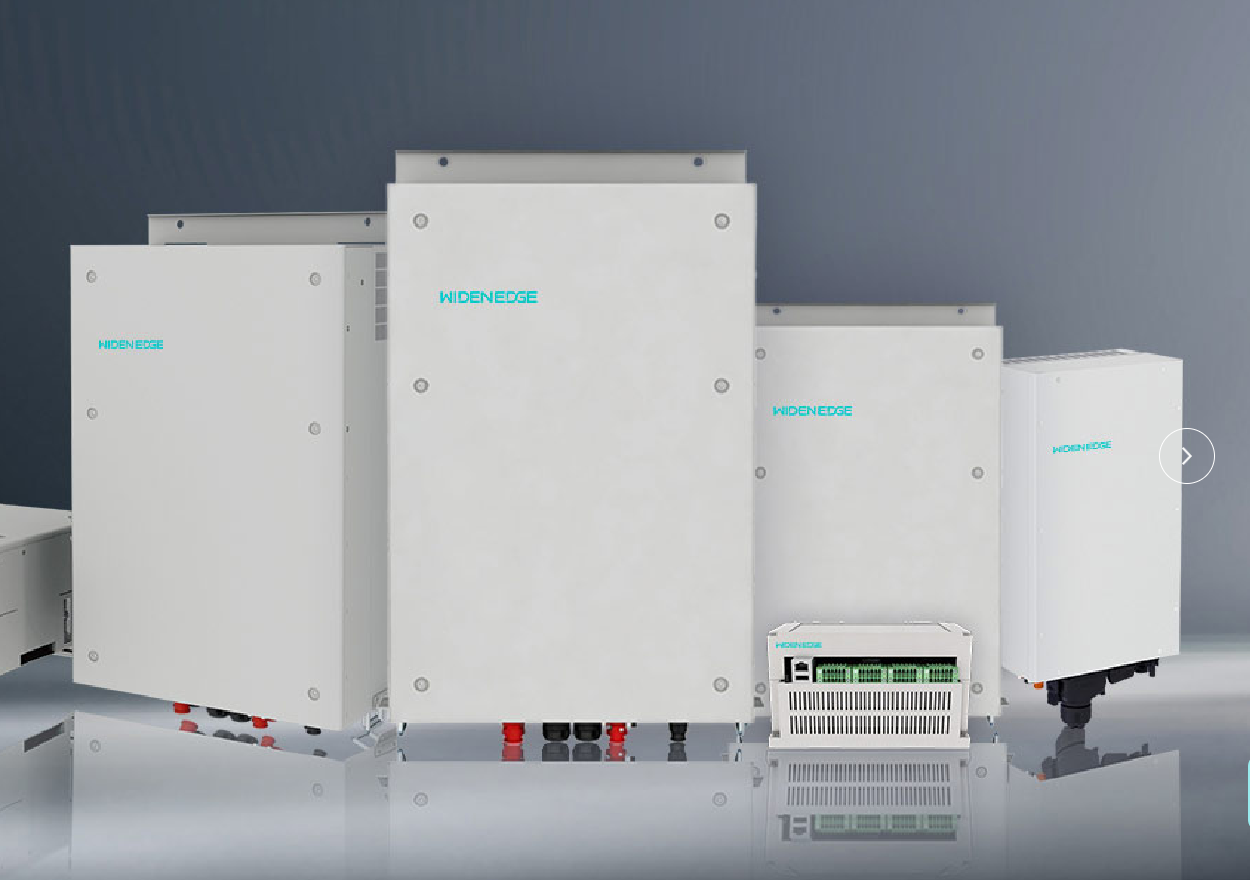
Decide with purpose: target converters that show honest thermal behavior, solid MPPT dynamics, and clear grid-support credentials. Rely on proven field experience and test data rather than bullet-point claims. When you combine that approach with careful architecture choice and the right partner for integration and support, you reduce rework and improve system uptime — which is the real deliverable for owners and installers. For many projects, that reliability and integration clarity is what links design to long-term operation, and it’s the kind of outcome you get when you work with suppliers like WidenEdge who publish performance details and back them with field service.