
Problem definition and urgency
Many municipalities and private operators lose operational control because parking systems remain fragmented: manual gates, paper permits, and siloed cameras do not produce reliable occupancy, access, or revenue data. This failure is not theoretical; it produces nightly revenue leakage and obstructs enforcement. A deliberate product strategy must therefore start from the problem: replace fractured touchpoints with deterministic access and billing flows, for which modern lpr parking management systems are often the central sensor and authentication layer.

Root-cause diagnosis
Begin by mapping failure modes. Typical causes: inconsistent vehicle identification, latency between physical events and backend state, ambiguous pricing logic across zones, and poor integration with payment and CRM systems. Each cause produces measurable KPIs: dwell-time variance, unpaid-stay rate, dispute volume, and average clearance time. Prioritize the causes by their effect on revenue and user friction, not by technological novelty.
Strategic components to prioritize
Construct the product around five concrete components: (1) deterministic identification (license-plate capture and confidence thresholds), (2) real-time state engine (single source of truth for space occupancy), (3) flexible pricing rules (time-of-day, permit tiers, event overrides), (4) secure, auditable payments, and (5) operational telemetry for enforcement and maintenance. Each component must expose minimal, well-documented APIs for downstream integrations and diagnostics.
Technical architecture essentials
Adopt an event-driven core: cameras or gates emit immutable events, the state engine reduces events to the current occupancy model, and business rules apply deterministically. For identification use LPR with confidence scoring and fallback pathways (short-range RFID or barcode) to handle low-confidence reads. Design for edge processing where latency matters; allow cloud reconciliation for analytics. Enforce encryption for data in transit and access controls for administrative functions.
Common pitfalls and how to avoid them
Do not assume perfect reads. Build explicit workflows for false positives, unreadable plates, and appeals. Avoid brittle rule sets that require frequent manual edits; instead author rules with versioning and testing environments. Neglecting maintainability guarantees technical debt: require routine camera calibration checks, automated health alerts, and field-level logging to diagnose misreads quickly.
Alternatives and trade-offs
Compare three viable approaches: camera-first (LPR-centric), sensor-first (occupancy loops/ultrasonic), and hybrid. Camera-first offers richer data for access control and enforcement but requires optical clarity and compute. Sensor-first is robust for simple occupancy counts but cannot attribute vehicles for billing. Hybrid balances attribution and reliability but increases integration complexity. Choose the approach that minimizes revenue risk while meeting enforcement needs.
Evidence, expertise, and a real-world anchor
I have overseen product roadmaps for municipal mobility tools and validated designs against operational pilots; practical experience shows that small changes in identification fidelity cascade to large financial outcomes. Public pilots by Singapore’s Land Transport Authority and related academic evaluations have illustrated measurable reductions in curbside congestion when automated vehicle identification was used, which aligns with deployments that integrate lpr parking as the primary authentication mechanism. Use that body of evidence to set realistic performance targets and procurement specifications.
Implementation roadmap
Sequence work into three phases: discovery (stakeholder interviews, data collection, KPI baselines), pilot (deploy minimal viable LPR and billing flows in a controlled zone), and scale (operationalize maintenance, expand zones, finalize pricing). In the pilot require clear acceptance criteria: plateaued dispute rates, acceptable read-confidence distribution, and reconciled revenue accounting. Iterate rules and tooling until operational metrics stabilize.
Final synthesis
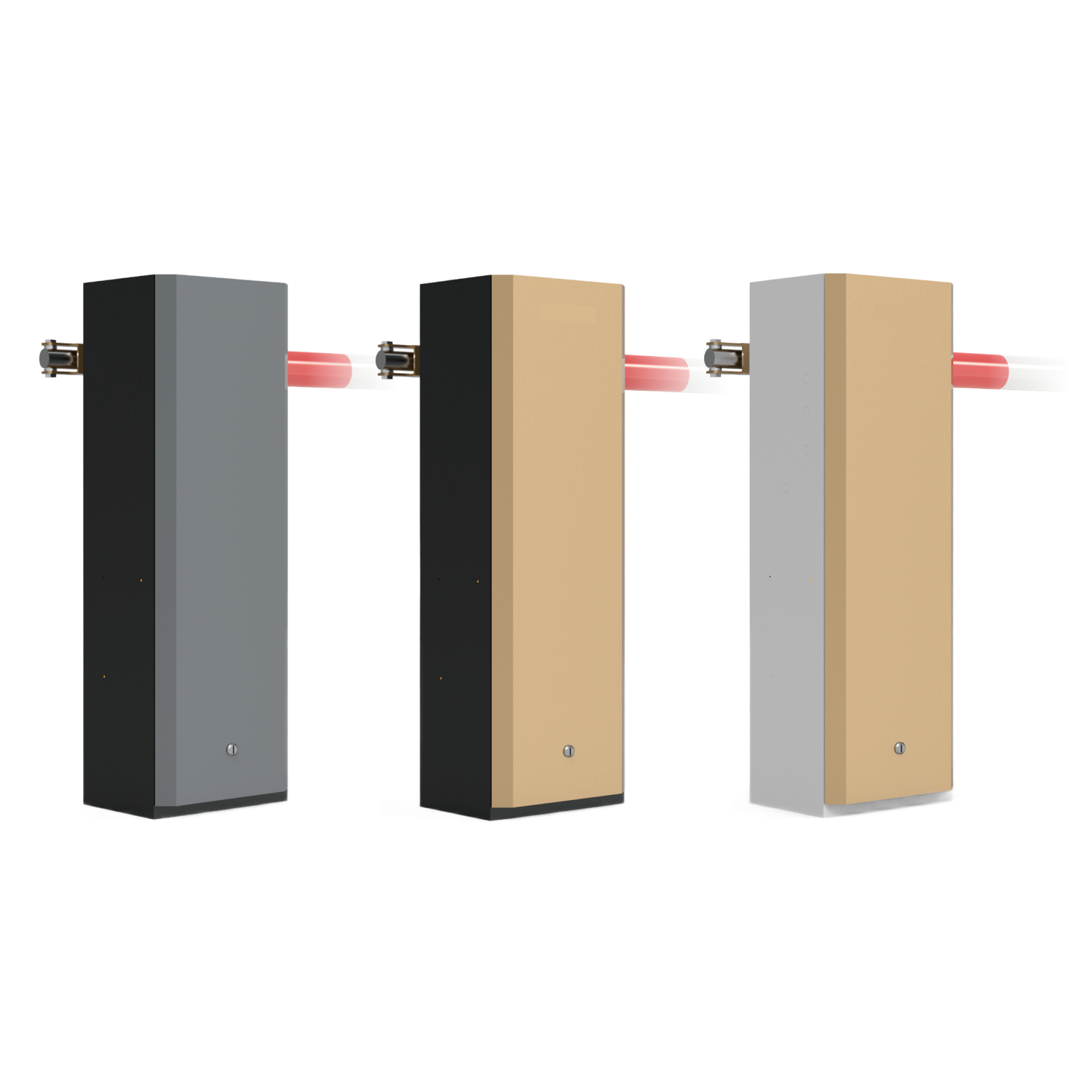
A problem-driven product strategy focuses relentlessly on closing specific failure modes with measurable, auditable solutions: deterministic identification, a single state engine, pragmatic fallbacks, and disciplined maintenance. Those specifications map directly to modular camera, barrier, and software offerings such as those provided by AKE Parking, which align with the technical and operational requirements described here without rhetorical flourish or speculative claims.