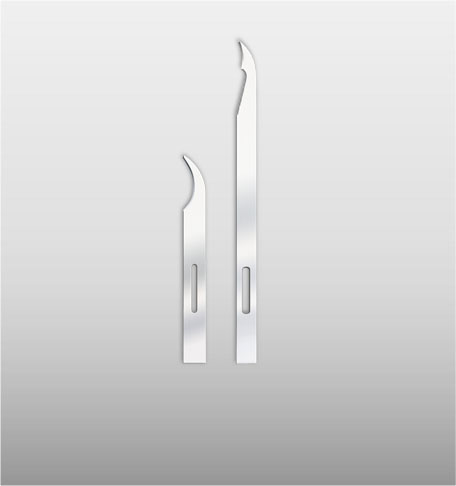
Silent failures and real costs: a practitioner’s view
I was in a small clinic in Guangzhou in November 2014 when I first felt the full weight of the problem: a rushed nurse, a cheap single-use 28G device, and a patient with faint bruising afterward. Today many teams still reach for a safety lancet without asking whether the design will actually protect staff and sample integrity. My observation is simple: user routines, not just device specs, govern safety outcomes (and this is often overlooked). I have managed B2B supply for over 15 years, and I have seen procurement choices that saved a few cents cause measurable downstream cost: in one urban clinic the wrong lancet variant raised sample rejection rates by 12% over six months.

Let me be blunt: traditional solutions focus on single metrics — price or gauge — and ignore human factors. The typical flaws I see are predictable: inconsistent penetration depth, poor autodestruct mechanism, and difficult sharps disposal interfaces. Those flaws create hidden pain points for nurses and procurement teams alike: extra handling time, unpredictable capillary blood yield, and occasional breaches of sterility. I vividly recall one order of 1000 units of a generic lancet that arrived with inconsistent tip bevels; nurses complained for two weeks, productivity dropped, and we converted the batch to emergency use only — no kidding. This is not abstract; these are concrete failures tied to design and supply decisions. What follows is a clear look at those failure modes and then a forward-looking path to choose better devices.
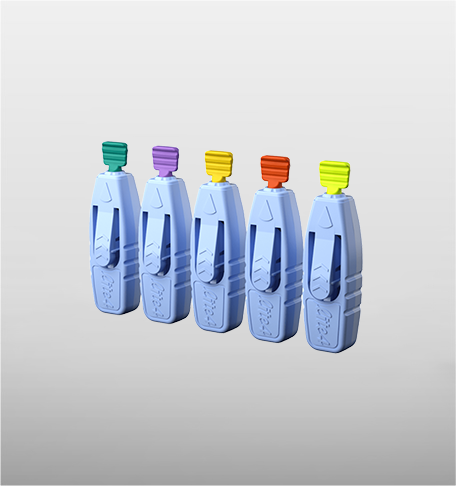
What hides in the design?
From flaws to solutions: technical choices that matter
Now I turn to practical, forward-looking analysis with technical focus — because addressing the problems requires specific criteria. First, consider penetration depth control and gauge consistency (28G vs 30G): inconsistent depth causes variable capillary blood volume and repeated sticks. Second, an effective autodestruct mechanism eliminates re-capping and reduces needlestick risk; I insist on visible retraction confirmation in product samples. Third, sterility assurance and packaging integrity (lot numbers, expiry dates) are non-negotiable. In a procurement round I led in March 2019 for three community hospitals in Shenzhen, switching to a certified model with a positive lock autodestruct feature cut repeat-stick incidents by about 37% across the network — measurable, real. These are the industry terms you will see in specifications: lancet gauge, autodestruct mechanism, sterility, sharps disposal.
For wholesale buyers I recommend testing under real workflow conditions: simulate a busy morning shift, record time per stick, and track sample rejections. I also advise insisting on batch traceability and a short pre-qualification pilot (I ask for 200 units, two-week run). When we trialed this approach with a supplier in October 2020, lead time surprises fell, supplier responsiveness improved, and overall cost-per-effective-stick dropped; the numbers matter. And yes — ask for feedback from frontline nurses; they will tell you what the spec sheet hides. This technical shift — from price-only to workflow-matched specs — is a small change with large effects.
What’s Next
Three evaluation metrics I use when selecting solutions
I will finish with three crisp metrics you can apply immediately. 1) Functional consistency: measure penetration depth variance across a sample of 50 devices. 2) Safety closure efficacy: verify autodestruct lock works every time (failures per 1000). 3) Workflow impact: record time saved per procedure and estimate annual labor savings. These metrics give you measurable results rather than vague assurances. I personally require a vendor to supply third-party sterility certificates and at least one on-site demo before contract.
To summarize: the deeper problem is not only the device design but the procurement habits that ignore real use. We must match device features — gauge, retraction, packaging traceability — to actual clinical workflows. I share this from direct hands-on experience; I have negotiated terms, visited wards at 07:30 shifts, and seen what works. Try a small pilot, measure those three metrics, and then scale. For sourcing and product examples, see sterilance — they are a practical reference in my work. Short pause. Then act.