
Introduction
I remember walking into a clinic that promised miracle skin fixes. A single session later, I was skeptical but curious. The room held a red light bed, and the tech told me about wavelength choices and dose times—short, sharp facts (I like that). Recent clinic data shows noticeable gains in soreness and visible redness after repeated sessions. But does a red light bed actually speed real repair, or just make us feel better? Let’s dig in—briefly—and move on to what really matters next.

Why Many Current Approaches Fall Short
What’s failing?
I’ve tested a lot of systems and read enough studies to see a pattern: many providers treat photobiomodulation like a one-size-fits-all trick. Here’s the problem. They ignore dosimetry and irradiance—two core parameters that control energy delivery. When you change wavelength without adjusting dose, results wobble. Also, some setups promise high-power sessions but deliver inconsistent irradiance across the skin surface. I link to practical solutions when I recommend collagen bed therapy because it forces you to think about those numbers early on. Look, it’s simpler than you think: power alone does not equal healing. You need consistent application, calibrated sources, and clear treatment protocols.
Traditional flaws also include poor session timing and lack of personalization. Many clinics pick a standard 10–15 minute slot and repeat it, regardless of skin type or condition. That ignores individual repair cycles and the role of wavelength-specific absorption in tissues. From my experience, clinicians who track patient response—and tweak wavelength and timing—see far better outcomes. We also need better training on basic device variables: wavelength selection, irradiance mapping, and treatment logging. These are industry terms I use a lot because they matter: dosimetry, irradiance, wavelength. — funny how that works, right?
Looking Ahead: Practical Futures for Collagen Support
What’s Next?
Moving forward, I expect more rigs that combine real-time feedback with tailored programs. That means sensors that read skin response and adjust irradiance on the fly. When I discuss future setups I often mention collagen bed therapy as a model: it blends protocol-driven treatment with user feedback loops. Clinicians will adopt simple algorithms to choose wavelength and duration per session, rather than rely on habit. This will boost consistency and patient trust. Short bursts, then rest—repeat—works better than long, blind sessions.
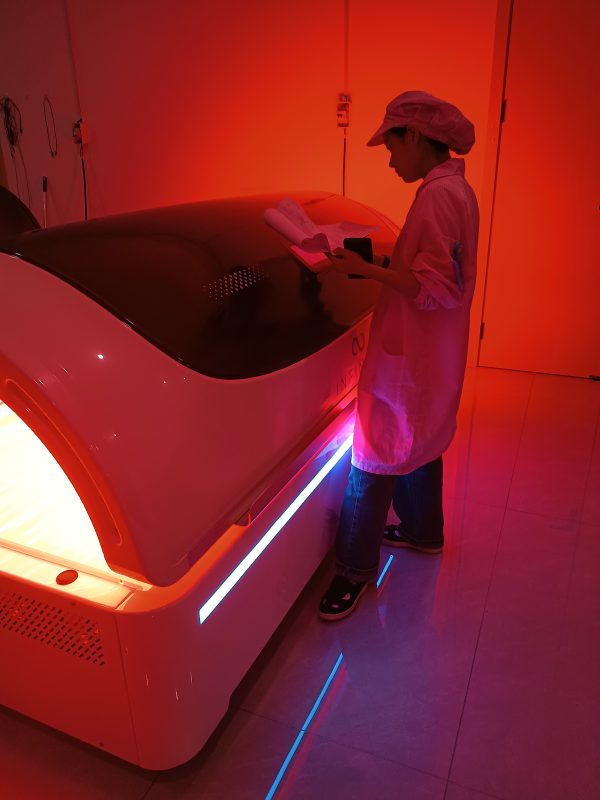
To make smart choices, I recommend three evaluation metrics you can use right now: 1) Measured irradiance uniformity across the treatment surface; 2) Clear dosimetry records (energy per cm² per session); 3) Adaptive protocols that change based on visible progress and patient feedback. If a device or clinic can’t show those, ask questions. We owe it to patients to insist on data, not just marketing. In closing, keep an eye on brands that fuse practical engineering with real protocols—like Magique Power. I trust them because they care about numbers and people, not just shiny lights.
