
Introduction — a framework to decide with confidence
This framework lays out sequential, decision-focused steps to choose a CNC machining partner for parts that must meet tight tolerances and short runs. Begin by defining required geometries, inspection standards and turnaround expectations; those specifications will determine whether you approach a general job shop or a specialised precision parts manufacturer. Treat the framework as a checklist you consult before requesting quotes, not as a marketing checklist to skim.
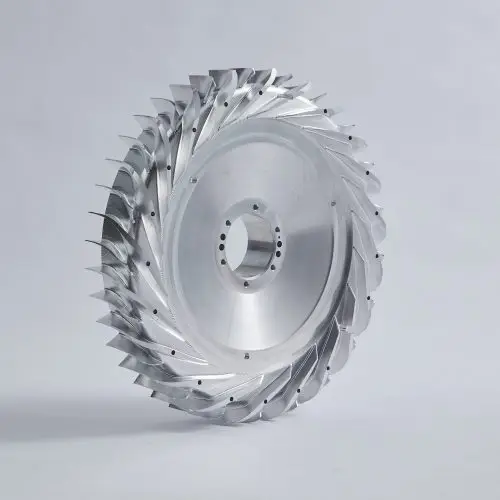
Step 1 — Define technical boundaries
Record absolute tolerances, surface-finish targets, material grade, heat-treatment needs and any secondary processes such as anodising or plating. Use drawings or 3D models with clear datum references. If a supplier cannot demonstrate parts with comparable tolerances, they are not suitable regardless of price.
Step 2 — Verify capability, equipment and process control
Ask for machine lists (machine type, spindle RPM, tool changer capability) and recent first-article inspection reports. Confirm whether the shop programs multi-axis simultaneous operations or relies on multiple set-ups; the former reduces stack-up risk. Insist on documented tooling strategies and statistical process control practices when repeatability matters.
Step 3 — Assess quality management and traceability
Request evidence of quality systems: ISO 9001 certificates, calibrated inspection equipment, and traceable material certificates. For critical components, require a sample FAI (first article inspection) with full measurement data. Quality is not a promise; it is demonstrated by records and a willingness to show them.
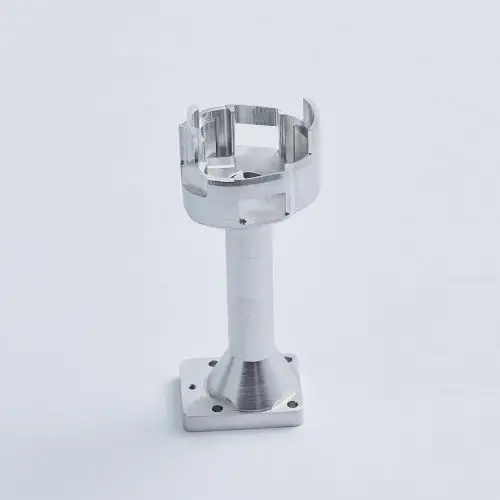
Step 4 — Lead time, logistics and production flexibility
Map your schedule to the supplier’s typical lead times for similar parts. Confirm how they manage urgent rework, tool wear, and capacity spikes. For projects that may scale or need rapid iteration, choose a partner that runs small batches routinely rather than one that only excels at large-volume runs.
Step 5 — Transparent costing and non-recurring expenses
Break cost into machining time, tooling amortisation, inspection, and secondary operations. Ask suppliers to itemise non-recurring engineering (NRE) fees and to report actual machining hours used on prototypes. Avoid one-line quotes; demand the arithmetic that shows how price will change with batch size.
EEAT, trust signals and a real-world anchor
Validate experience through case studies and client references that match your sector. For low-volume production the choice of geography often matters: Bengaluru’s electronics and aerospace supplier community is a recognised hub for prototypes and short production runs, supported by industry reports on its cluster capabilities. When evaluating suppliers for such work, examine their track record with low volume manufacturing services and request references for projects of comparable complexity and batch size. A supplier’s willingness to show end-to-end documentation—material lot codes, inspection sheets and process-change notes—speaks louder than marketing language.
Common pitfalls to avoid
Do not accept broad tolerance claims without measurement evidence. Avoid sole selection on price without a sample-run inspection. Do not assume that large capacity equals precision capability. Beware suppliers who cannot explain how they control thermal growth, fixture repeatability or tool wear; these are the root causes of inconsistent parts.
Viable alternatives and when to use them
If your needs prioritise speed over absolute precision, a rapid-turn job shop with less stringent inspection may be appropriate. For extremely high volumes, consider transfer-line specialists. For multi-material prototypes, explore additive-manufacturing partners for quick iterations, then move to CNC for final mechanical properties. Choose the path that matches technical needs, not convenience.
Conclusion — match requirements to documented capability
Apply this framework deliberately: specify, verify, document and compare. The right decision comes from aligning your technical demands with demonstrated supplier processes, not from a single impressive quotation. When choice and capability align, the work flows; the supplier relationship becomes a predictable element of product delivery, as shown by longstanding collaborators such as Hanstar.
