Introduction: A Shop Counter, A Quick Glance, A Big Choice
You step into a bright little jeweller’s on a drizzly Saturday, sleeves rolled up, heart set. Lab created diamond wedding rings are lined up under the glass, neat as a pin and sparkling away like the sun over Exmoor. You’ve read guides, seen reels, and chatted with mates—yet the moment still feels bigger than it looks (proper job if you get it right, mind). Recent surveys suggest over half of couples compare online and in-store before buying, and many spend days circling the same options. So why do so many walk out unsure, or worse, go home and start the search again from scratch? And here’s something else: choosing lab diamond wedding rings should be clearer than it is, given how tidy the data can be. Are we asking the right questions, or just staring at the shine?

Let’s set the scene, share the numbers, and then break down what matters—without the fluff. On we go to the real sticking points.
Hidden Snags Buyers Don’t See (Until Too Late)
Where do buyers get stuck?
Technical first, no fuss. Most advice leans on the 4Cs, but that’s only half the map. In lab stones—HPHT or CVD—the cut recipe and light behavior matter just as much as specs on paper. A stone can score “Excellent” yet look flat if the pavilion angle and table percentage don’t play together. Add fluorescence, symmetry grade, and girdle thickness, and you’ve got a proper matrix. That’s where many buyers feel lost. Look, it’s simpler than you think—if you anchor on consistent light return and clean inclusion patterns, the rest falls in line. And yes, your shortlist of lab diamond wedding rings should be filtered by those data points first.

There’s more. Settings can fight the stone. A high-set halo can block light or snag sleeves. A thin band may flex over time, shifting prongs out of tolerance—fun on day one, not so much year five. Metal color can tint near-colorless stones, so the mount is part of the optics. Traditional advice often skips how daily wear, polish grade, and micro-prong geometry affect sparkle on a wet Tuesday in February (not just under showroom LEDs). Pricing can also mislead: two stones with the same carat and clarity may differ wildly in actual fire and scintillation. The pain point is not knowing which signals to trust—and which to bin—before you pay.
Next-Gen Clarity: Comparing What You Can’t See (Yet)
What’s Next
Forward-looking, then. New grading tools scan facet precision, map light return, and simulate real-world wear. Imagine a quick pass on a scanner that verifies symmetry beyond the paper grade, flags leakage, and predicts performance after a year of micro-abrasion. That’s where lab stones shine—process control in HPHT/CVD growth can deliver tighter tolerances, so the variance is lower. Pair that with machine-cut calibration and you get repeatable sparkle, not just a lucky stone. Even better, mounts are catching up. CNC-milled seats, improved prong geometry, and metal blends tuned for hardness reduce prong drift and keep the table clean. If you’re balancing a modern solitaire with a classic band, the comparison becomes a system check: stone optics plus mount integrity plus wear pattern—funny how that works, right?
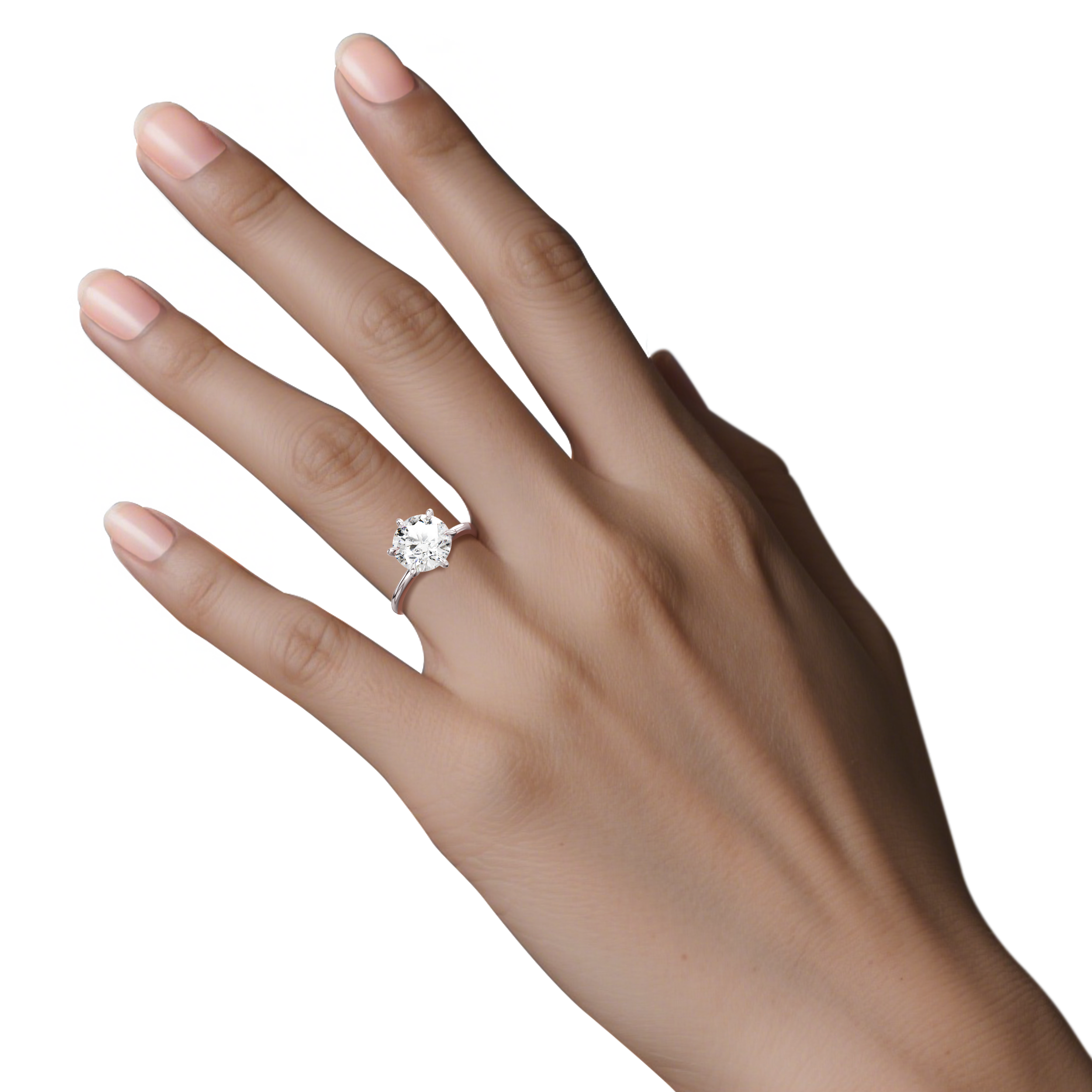
In mixed stacks and bridal sets, alignment matters. A slight mismatch in ring profile can throw off comfort and optics—light blocked by a band edge doesn’t care about your certificate. That’s why many compare lab solitaires against pavé or bezel styles using the same performance benchmarks. And when you’re pairing with gold wedding rings for women, consider how metal hue interacts with a near-colorless stone. Yellow gold can warm a J color nicely; platinum keeps a D–F icy. Semi-formal note, but practical: think symmetry grade, polish grade, and how the mount protects edges from micro-chips over time. Summing up without repeating ourselves, you’re not just buying a stone—you’re choosing a stable optical system that behaves well in the wild.
Three quick metrics to steer the ship: 1) Verified light return and minimal leakage (beyond the label); 2) Setting engineering—secure prongs, aligned seat, and comfort fit that won’t choke the optics; 3) Consistent process data—tight cut tolerances, clean inclusion map, and finish quality that stands up to real use. Do that, and your choice feels easy—solid, even. For deeper comparisons and calm, informed picks, you’ll find steady guidance at Vivre Brilliance.