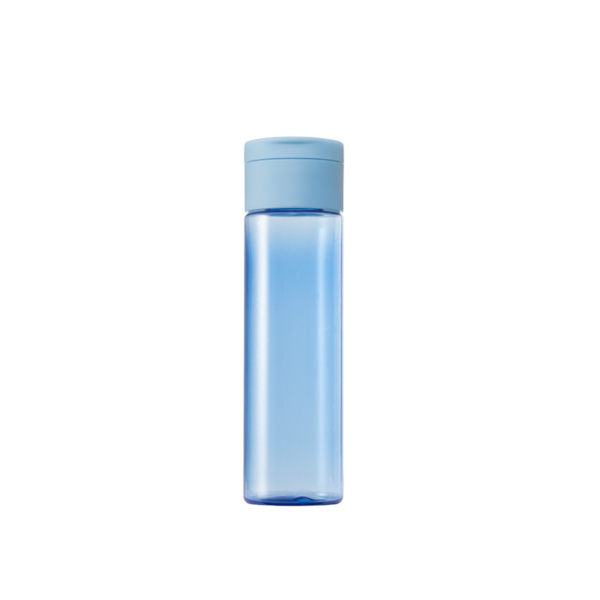
From Prep to Plate: The Science of a Cleaner, Tighter Dispense
Portion control, hygiene, and repeatable output—those three ideas run every good kitchen and every tidy grooming bench. A pet pump bottle fits this mise en place mindset, because it measures, seals, and serves without fuss. Picture a busy groomer or a vet tech: gloves on, tools set, time tight. Field checks often show squeeze caps over-portion by a wide margin, while touch points multiply with every open-and-close. That means more waste and more chance of cross-contact. Now ask yourself: why are we still “free-pouring” shampoo or sanitizer like a loose ladle when a calibrated pump exists?
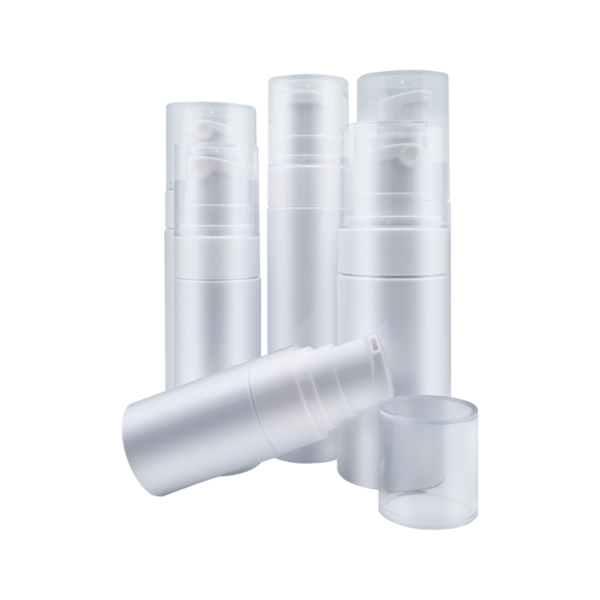
Think of fluid like a sauce with changing viscosity as room temp shifts; the right actuator and valve path keep flow steady even when the blend thickens a bit. And like plating, you want consistency—one press, one dose, one clean rim. No drips on the counter (or on a pet’s coat), no backflow that clouds the bottle. The result is simple: fewer steps, fewer messes, more control. Let’s move from the countertop reality to what actually fails in the old toolkit—so we can fix it for good.
Why the Old Ways Spill and Slip
Where Do Traditional Caps Fall Short?
Here’s the hard truth: most squeeze caps and flip tops were never built for precise, repeatable dosing. That’s where pet bottles with pump set a different baseline. Traditional caps flex with grip strength and bottle shape, so your output changes day to day. Warm room? Lower viscosity and bigger glugs. Cold room? You get a reluctant trickle. With a pump, the internal valve seat, spring rate, and actuator travel define the stroke. That keeps dose accuracy more stable, even when conditions shift. Look, it’s simpler than you think: a small metering path beats hand pressure every time.
Hygiene is the other blind spot. Opening a cap invites air, splashback, and stray contact. It also drags residue across the thread finish, which then leaks during transport—funny how that works, right? Pumps cut those risks by separating the product path from your fingers and the room air, stroke after stroke. They also tame slippery surfaces and sticky closures that slow a workflow. If you’ve ever wiped a bottle neck between dogs—or fought crusted product on a flip lid—you’ve already done the math. In short: free-pour equals guesswork; a pump equals a plan.
Comparative Outlook: Principles Powering the Next Pour
What’s Next
Now let’s look ahead and stack the options side by side. New pump systems use an airless chamber and a tight check-valve geometry to cut oxygen load and backflow. That helps sensitive blends and keeps fragrance “fresh plated” for longer. Low-force actuators reduce hand fatigue during long shifts, while a metering piston stabilizes output across strokes. Some designs even tune rebound to minimize post-drip. Compared to caps, these are not just nicer tops; they’re small machines with predictable behavior. Working with a thoughtful pet pump bottle supplier makes it easier to dial in torque specs, neck fit, and dose volumes so seals hold and cartons travel clean—no mystery leaks in the morning.
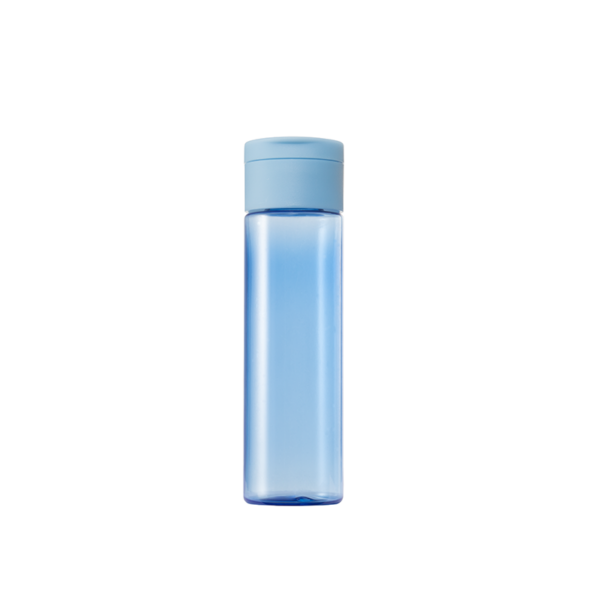
Sustainability is stepping into the line-up too. Recycled PET, lighter preforms, and mono-material pumps reduce sorting headaches. Component simplification means fewer parts to fail, and better service life under repeated sanitation cycles. We’ve come from guessy squeeze-and-hope to engineered, portioned flow—and we’re still reducing waste and touch points along the way. The key ideas remain the same from the last section, but now they scale: consistent dosing, cleaner handling, and a calmer bench. To choose well, use three quick checks. 1) Dose integrity: verify ±10% or better across the stated volume, tested at two viscosities. 2) Seal performance: look for leak-free transit under compression plus stable torque after cap-off/cap-on cycles. 3) Ergonomics in use: confirm low actuation force and no sharp rebound over a full shift—tiny details that prevent slips and fatigue. Get those right, and the rest falls in place—like a well-timed service, no rush, no mess. For deeper spec work without the fluff, see NAVI Packaging.