
Introduction — a small workshop, a big problem
I remember standing in a small sheet-metal shop in Colombo, watching a young welder cough as the lights caught a plume of smoke. In that cramped scene lies a clear pattern: many small factories show particulate counts three to five times higher than recommended (you can almost see it settle on the bench). Fume extraction technology is often the first line of defence — but does the kit on the floor really solve the daily grind of pollution? I want to pull this apart for you, with simple facts and a few questions that matter to managers and engineers alike. How do we move from paying for loud fans to installing systems that actually protect people and product? Let’s go deeper into the usual fixes and why they sometimes fail.
Part 2 — Where standard systems stumble
Why do common controls miss the mark?
dust fume extraction system setups often look good on paper. Yet in practice, I see two main failure modes: mismatch to the process and poor maintenance. Many shops pick a unit by airflow number alone, forgetting capture velocity at the source. Add in clogged HEPA filters or a worn cyclone separator and efficiency drops fast. We also tend to underestimate the role of power electronics — variable frequency drive (VFD) tuning and unstable power converters can cause strange fan behaviour, which reduces capture and increases noise. Look, it’s simpler than you think: a system not tuned for your welding hood or CNC spindle is almost cosmetic.
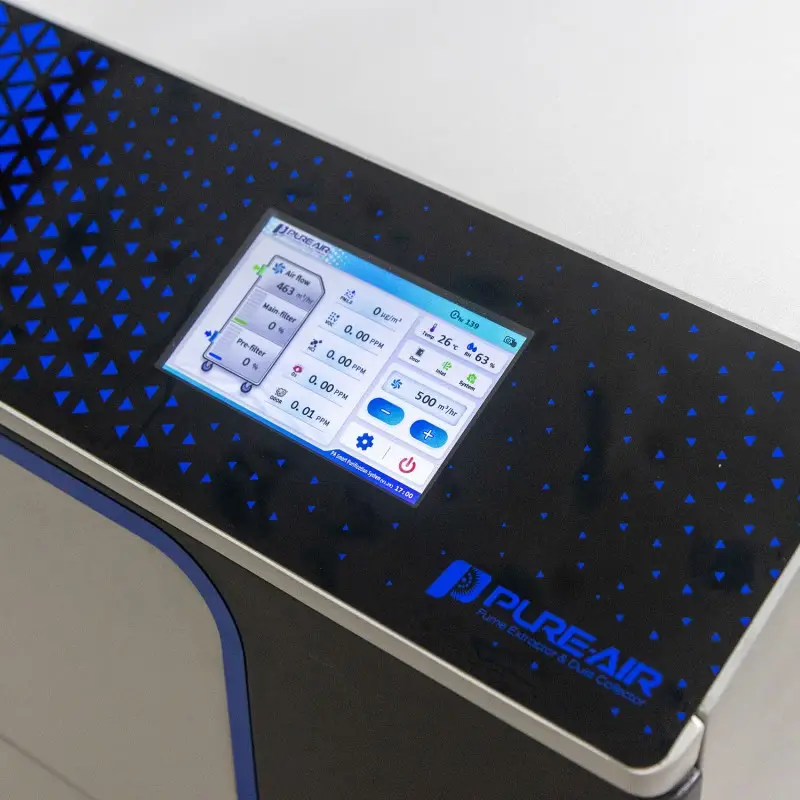
Second, user habits and hidden pain points matter more than people admit. Workers move extraction arms away to get a better view, or they place materials in ways that block hoods. Maintenance budgets are trimmed so filters are replaced late. I’ve spoken with supervisors who say filters “look fine” — but particle counts tell a different story. Edge computing nodes for local monitoring can help, but only if we use the data. This gap between installed capability and daily use is where most savings and health gains hide — and it’s the part companies ignore at their cost.
Part 3 — Principles for next-generation systems
What’s Next: practical principles, not buzzwords
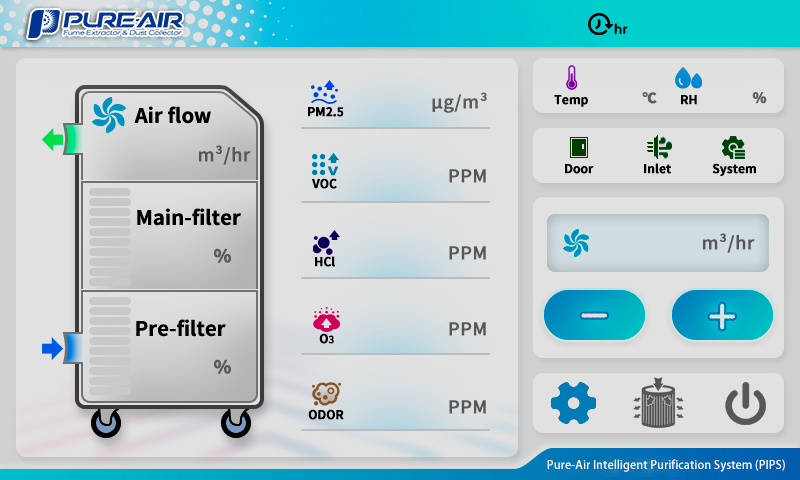
Now, let’s talk about where we go next. I favour a principles-first view: source capture, smart control, and simple maintenance. A well-designed dust fume extraction system pairs capture hoods shaped for the task with proper face velocity, and uses VFDs to match fan speed to load. Adding local sensors and edge computing nodes gives real-time feedback so you stop guessing. These are not pie-in-the-sky ideas — they cut running cost and raise worker safety. — funny how that works, right?
Implementation should stay human-centred. Train operators to keep hoods in place; set filter change alerts tied to differential pressure; and prefer modular units that let you swap a cartridge in minutes. I’ve seen shops halve their downtime with this approach. If you want metrics to judge suppliers, focus on measurable capture efficiency, energy per cubic metre of air moved, and service turnaround time. That brings us to a practical close: check capture velocity at the source, check long-term operating cost, and check how openly the vendor shares performance data. For reliable help, we often turn to trusted specialists — I recommend considering PURE-AIR when you look for a partner who understands both tech and shop floor realities.
