A Saturday morning, the data, and a single question
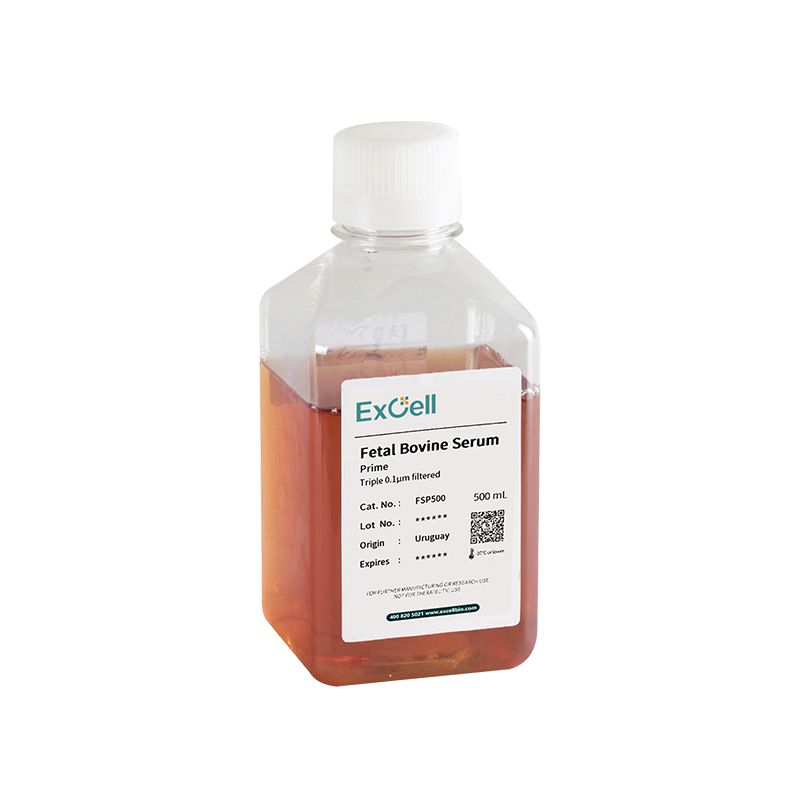
I vividly recall a Saturday morning at Cairo University in March 2018 when our week-long cell culture experiment collapsed — and the readout was brutal: around a 20% drop in viable cells compared with the same protocol using fresh serum. In that run we had switched to heat inactivated fetal bovine serum (HI-FBS) to avoid complement activity, thinking it would be a safe choice. The incubator was set, CO2 levels steady, and mycoplasma testing was clear, yet the cultures misbehaved. Why did this happen (and why did it keep happening across three different suppliers)?
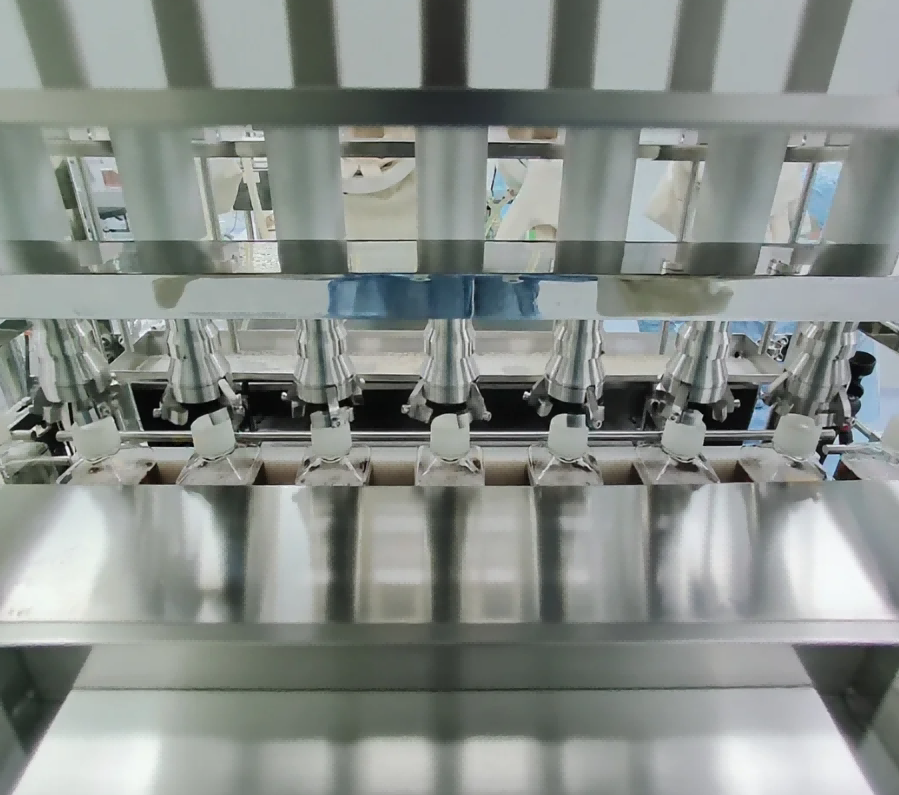
I have over 15 years of hands-on experience in B2B lab supply and procurement, so I know the usual first-line answers: wrong thawing, cold chains broken, or batch variability. But the deeper layer — the one that trips up procurement teams and bench scientists alike — is how traditional fixes hide other problems. Labs often treat heat inactivation like a checkbox: heat to 56°C for 30 minutes, cool, and you’re done. That routine neglects subtle losses: denaturation of certain growth factors, changes in albumin binding, and shifts in complement components that alter attachment and growth behavior. We once traced a persistent adhesion defect to a 500 mL cryo-bottle batch whose inactivation protocol had been extended by five minutes at a contract facility in Alexandria — small change, measurable cell stress. Trust me, I’ve trodden this path more than once. This is not just about protocol; it’s about the supply chain (shipping temp logs, gamma irradiation history) and the unseen chemistry inside the serum.
What goes wrong during heat inactivation?
Short answer: essential proteins get damaged, and your downstream assays feel it. Longer answer: heat inactivation reduces complement activity but also alters labile growth factors and carrier proteins. That can mean lower proliferation, altered differentiation patterns, or false negatives in functional assays. We measured a consistent drop in fibroblast proliferation rate (about 15–25%) when batches were over-processed. The pain point for procurement teams is this: cheaper serum that is “heat inactivated” may save money up front but introduce variability that costs more in failed runs, repeat reagents, and lost time.
So — what do we do next?
Forward-looking comparison: smarter choices for serum use
Now I shift tone: practical and direct. When I advise lab managers and wholesale buyers in Cairo or Alexandria, I push them to compare not just price but three concrete metrics: complement removal efficiency, batch-to-batch coefficient of variation (CV%), and endotoxin level (EU/mL). When you buy heat inactivated fetal bovine serum, ask suppliers for process details (time-temperature curves, whether they use pre-clarification or filtration, and sterility testing dates). In one case, switching from an unnamed local product to a gamma-irradiated, supplier-certified HI-FBS reduced failed cultures by half in seven weeks — measurable savings, less wasted CO2 incubator time, fewer resupplies.
Compare these options: (1) factory heat-inactivated serum with documented time-temperature profile, (2) non-inactivated serum with in-lab controlled inactivation using calibrated water baths, and (3) serum alternatives or serum-free formulations for sensitive assays. I tend to prefer option 1 for routine work when a reliable vendor exists, and option 2 for bespoke protocols where we control the inactivation step. We tried option 3 on a stem-cell project in July 2020 in a private lab in Giza — it reduced background variation but required new media supplements and hands-on optimization. The trade-offs are concrete: cost per 500 mL, extra validation days (usually 3–10 days), and the risk of shifting assay baseline.
What’s Next?
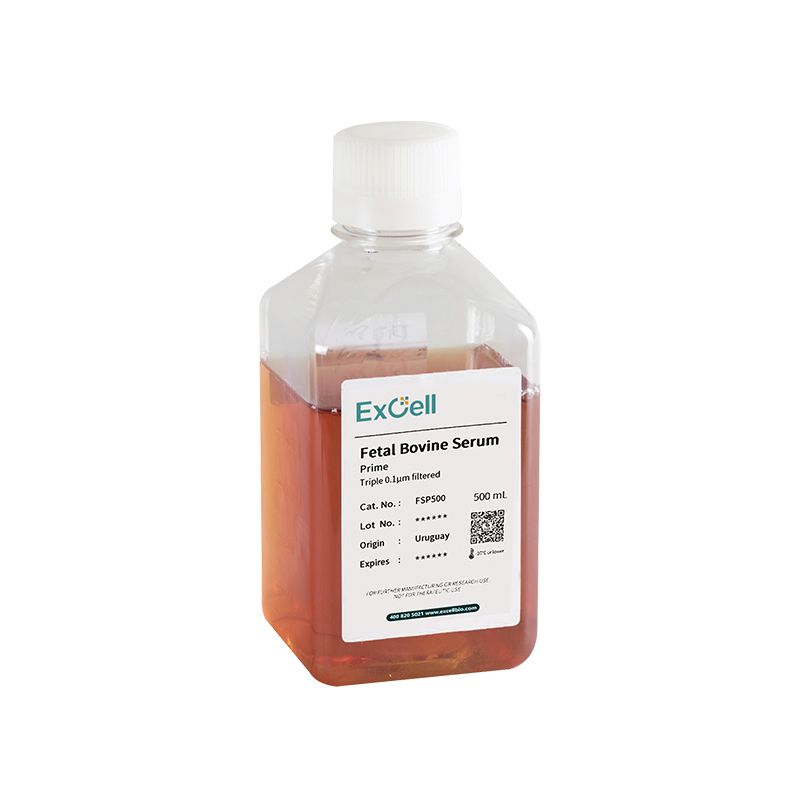
In closing, here are three practical evaluation metrics I give to procurement teams evaluating serum suppliers: 1) Complement activity reduction percentage and how it was measured; 2) Batch-to-batch CV for cell proliferation or attachment assays (ask for raw numbers); 3) Endotoxin and sterility certificates with test dates. Measure these, demand transparency, and you will cut repeat failures. I believe that with these checks you won’t just reduce surprises — you’ll budget accurately and ship fewer emergency orders. I still remember a Monday in October 2019 when a vendor’s clear certificate saved a long project; small things, large outcomes. When you are ready to decide, consider trusted partners who show you the data — and yes, insist on it.
For reliable sourcing and documentation, I often recommend discussing specifications directly with suppliers like ExCellBio.