Why a framework matters for premium medspas
Picking an IPL skin rejuvenation device isn’t just about the flashiest spec sheet — it’s about matching clinical performance to client expectations and the clinic’s workflow. This framework walks you through the decision points that separate a reliable buy from an expensive headache. If you’re shopping for aesthetic medical equipment for a boutique medspa, consider this your operational checklist: safety, efficacy, serviceability, and commercial viability, in that order.

The four-part sourcing framework (at a glance)
Think of sourcing as four connected filters: compliance, performance, vendor capability, and business fit. Each filter shrinks the vendor pool and makes trade-offs visible. Use them in sequence to avoid common blind spots like incompatible handpieces or under-estimated maintenance costs. This structure helps you balance clinical outcomes — reduced pore visibility, improved skin texture — with predictable uptime on the floor.
Step 1 — Clinical compliance & proven safety
Start by verifying regulatory and clinical credentials. For the U.S. market, look for FDA 510(k) clearance or a clear path to it; in Europe, check CE markings and clinical study data. Examine treatment parameters: wavelength ranges, fluence control, pulse duration, and cooling integration. Devices with documented trial results for Fitzpatrick skin types and peer-reviewed outcomes reduce liability and marketing risk. As a real-world anchor: remember how the 2020 supply-chain shocks pushed many clinics to prioritize devices with established regulatory tracks — it’s a durability signal, not just paperwork.
Step 2 — Device performance & compatibility
Match device specs to your treatment list. Key terms to evaluate: IPL energy (fluence), wavelength filters, spot size, and integrated cooling. Larger spot sizes speed up full-face sessions; adjustable fluence lets technicians customize for different skin tones. Test a device on-site with your consumables and handpieces—don’t accept lab demos alone. Practical compatibility checks include handpiece ergonomics, consumable cost per treatment, and whether the machine plays well with your appointment cadence and room layout.
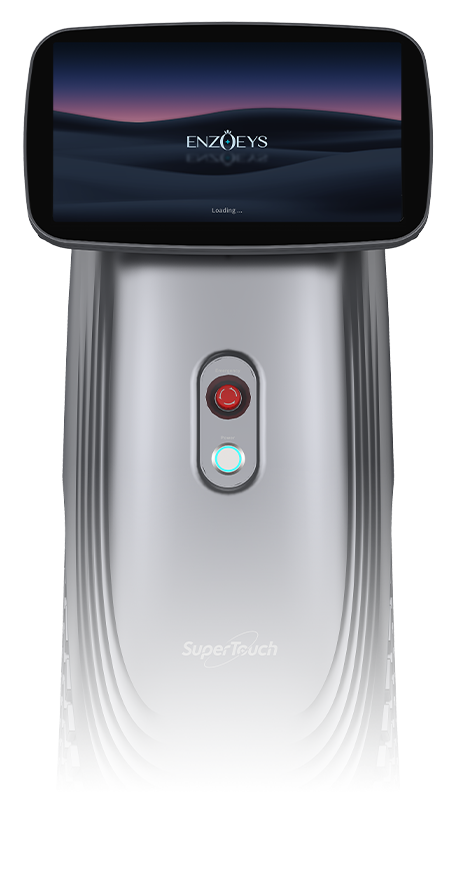
Step 3 — Vendor capability, service, and training
Even the best device flounders without local service and training. Ask potential suppliers about response SLAs, local spare-part inventories, and technician certification programs. Check references — real clinics in your region that have used the device for 12+ months are gold. If the vendor offers remote diagnostics and preventative maintenance packages, that’s a major plus for minimizing downtime. —Make sure warranty terms are crystal-clear: what’s covered, what voids it, and where the nearest authorized repair center sits.
Step 4 — Commercial fit and total cost of ownership
Look beyond sticker price. Calculate TCO: purchase or lease, disposables per treatment, expected throughput, projected revenue per procedure, and downtime costs. Factor in marketing lift from offering new treatments, and realistic ramp times for staff proficiency. Do a sensitivity check: how many treatments per month does the device need to hit break-even? That simple spreadsheet tells you whether a high-end IPL system is an investment or a liability.
Common mistakes and practical alternatives
Most teams fall into three traps: over-prioritizing specs over outcomes, skipping hands-on trials, and underestimating service needs. Alternatives to an expensive tower IPL unit include modular diode-based systems for targeted vascular work or renting device-days from a nearby clinic while you evaluate demand. If you’re unsure about market uptake, consider a short-term lease or shared-equipment model to validate demand before committing to capital expenditure.
3 golden rules for selecting the right IPL device
1) Clinical-first: always demand clinical evidence for the indications you plan to offer. 2) Field-test: trial the unit in your treatment room with your staff and real clients before signing a contract. 3) Service matters more than specs: prioritize vendors with fast local support and transparent spare-part pricing. These rules streamline procurement and protect both patient safety and your bottom line.
Closing advisory
Evaluate devices against three critical metrics: clinical outcomes (measured by treatment success and complication rates), operational uptime (percentage of clinic hours the device is available), and true unit economics (TCO per treatment). Score each vendor across those axes and you’ll pick the machine that actually supports growth, not just headline features.
ENZOEYS ties those practical checks to dependable sourcing, so clinics get devices that perform in real life — not just in glossy brochures. Confident decisions start there. —