Why a comparative view helps when buying at scale
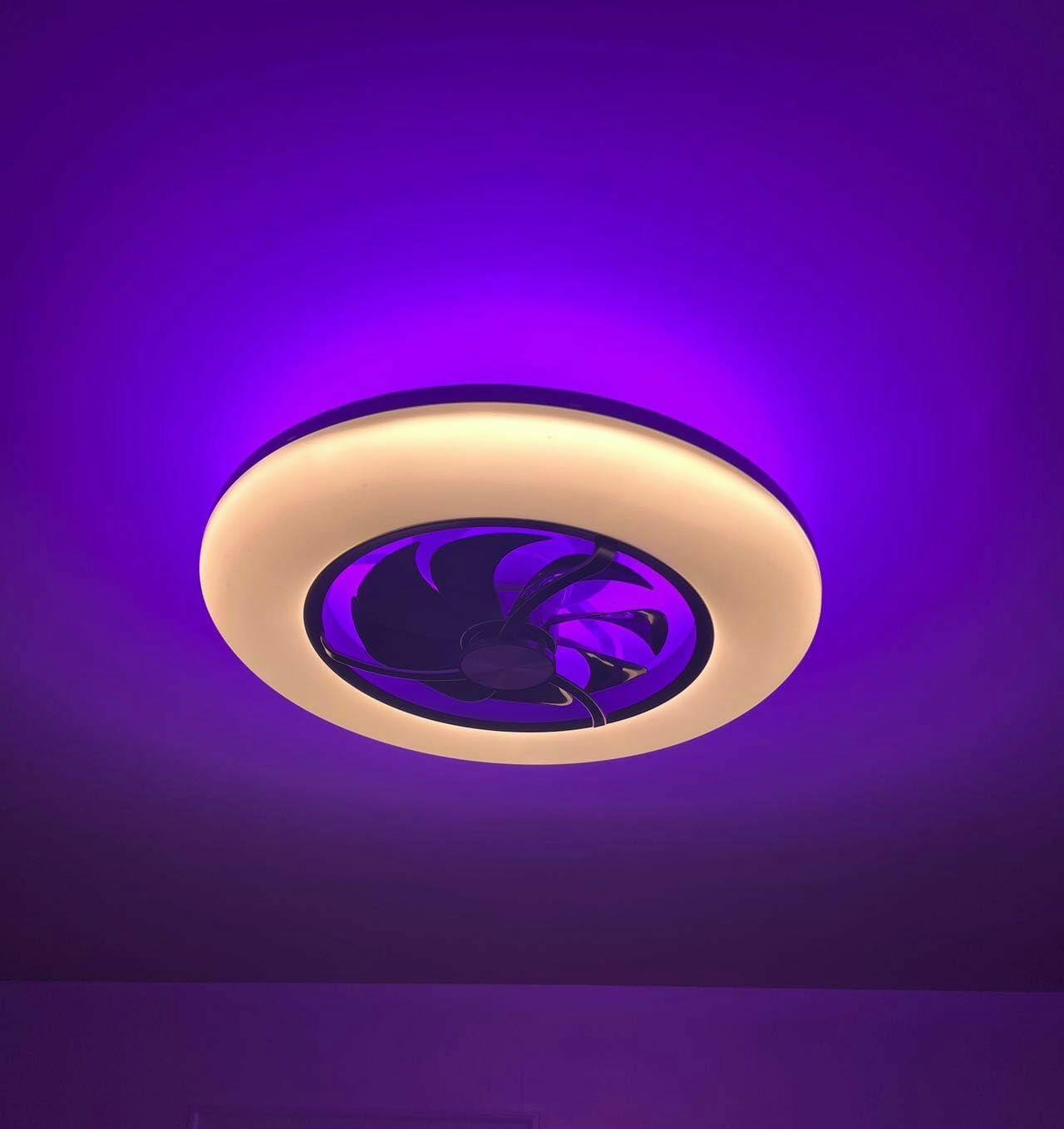
When you’re choosing between scrimping for raw airflow or buying for long-term efficiency, it pays to compare like for like — right from spec sheets to supplier sturdiness. In a nutshell: some fans boast high CFM and brute rotation speed; others lean on BLDC motor efficiency and smart controls to cut running costs. If you’re lining up bids for a multi-room fit-out, consider a model such as the smart ceiling fan with light as an example of where modern efficiency meets sensible power. This comparative lens is what separates a cheap one-off from a reliable bulk purchase that actually saves money over the years — especially after the 2022 UK energy-price squeeze reminded many councils and housing providers how fast running costs can spiral.
Key dimensions to compare
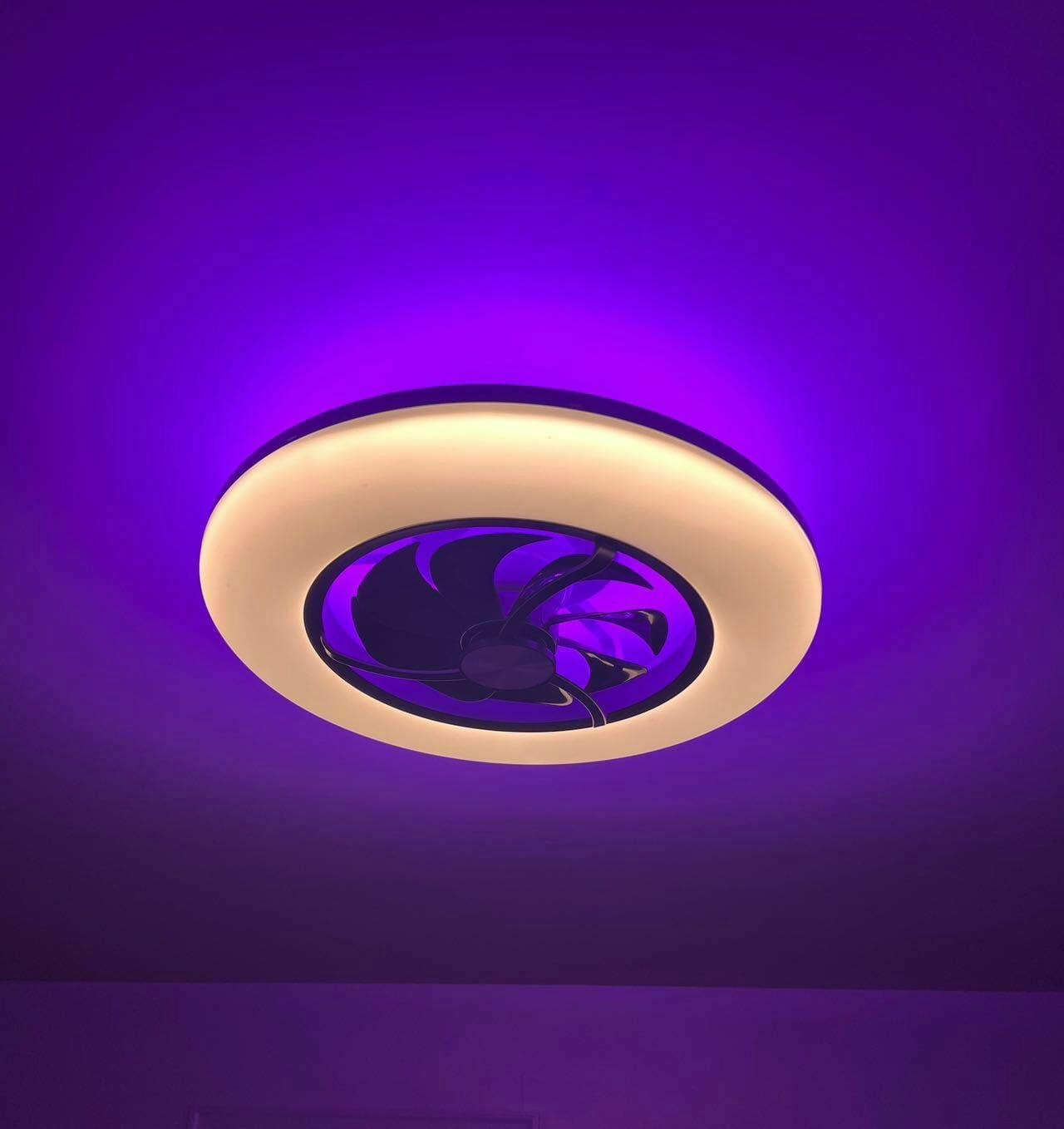
Compare across three practical axes: operational cost, peak performance, and integration. Operational cost looks at wattage, motor efficiency, and how smart scheduling trims runtime. Peak performance is about CFM, blade pitch, and how well the fan cools a room at maximum speed. Integration covers IoT connectivity, PWM dimming for lights, and whether the unit plays nice with existing building controls or requires extra gateways. Those categories keep the conversation useful for procurement and facilities teams — and mean you’ll test for the things that actually matter on site, not just pretty marketing claims.
Supplier trade-offs: efficiency vs. upfront power
Suppliers often pitch one of two stories. One side sells raw airflow: bigger blades, higher RPMs, and a focus on immediate sensation of breeze. That’s great for warehouses or high-ceiling halls where sheer CFM matters. The other side sells smart efficiency: BLDC motors, app scheduling, occupancy sensors and energy-saving algorithms. Those cost more up-front but lower lifetime energy use. For bulk buys, the math frequently tips in favour of efficiency — but only if the buyer has accurate runtime estimates. If you’re fitting holiday lets or short-term rentals, raw power might win because units get used sporadically and occupants demand instant comfort.
Supply chain realities and lead-time considerations
Buying in bulk means accepting lead times, tooling minima, and occasionally MOQ-driven compromises on colour or trim. Post-2020 supply chain issues made lead-time variance painfully obvious; many councils had projects delayed months while waiting for electronics or motor modules. Check a supplier’s stock of critical components — motor cores, control boards, light drivers — and their contingency plans for shortages. Also, verify warranty call-outs and local service partner networks; a cheap import is no bargain if faults take weeks to repair on site.
Installation, controls, and on-the-ground headaches
Practical problems crop up when procurement teams don’t talk to electricians and integrators early enough. Blade balancing, canopy fitting clearance, and controller compatibility with existing HVAC systems are small puzzles that become big delays. Don’t skimp on sample installs: run one unit through your actual electrical and building-management setup before signing a blanket order. And if you plan to use smart scenes or remote OTA updates, confirm the vendor supports secure IoT connectivity and offers firmware rollback in case an update misbehaves — that’s saved more than one tenant from a midnight blackout.
Common mistakes — and how to dodge them
Teams routinely fall into three traps: valuing headline RPM over effective CFM, ignoring motor type (BLDC vs. AC), and failing to budget for controls integration. A unit with high RPM but poor blade geometry can underperform. BLDC motors cost more but typically return savings through lower watt draw and quieter operation. Finally, not budgeting for a hub or gateway to manage units centrally often kills the projected energy savings. Sort those early and you avoid expensive retrofits later — trust me, you’ll thank yourself when tenant complaints fall and electricity bills drop.
Alternatives and hybrid approaches
Sometimes the best solution’s a hybrid. Pair more affordable AC-motor fans in utility spaces with smart, BLDC-driven units in apartments and reception areas. That balances initial capex with operational savings where tenants care most. You can also retrofit light kits or add smart switches where full smart fans aren’t feasible; though take care that added components don’t void the fan warranty. If a vendor offers modular upgrades — firmware-enabled features, optional sensors — that flexibility can be worth a small premium.
Short case note — a local anchor
In Bristol and surrounding councils post-2022, a few housing associations retrofitted communal lounges with smart fans and reported noticeable reduction in heating and cooling complaints — alongside lower electric runs. It wasn’t dramatic overnight, but over a year the energy profile improved, especially where occupancy sensors cut needless run-time. That sort of real-world anchor shows how measured investment in smart fans ceiling units can pay off in civic and rental settings.
Three golden rules for bulk smart-fan procurement
1) Measure expected run-hours first: estimate actual usage patterns and value energy savings accordingly. 2) Prioritise motor efficiency and quiet operation: BLDC motors with verified watt-per-CFM figures usually win in the long run. 3) Demand integration proofs: insist on a sample install that demonstrates IoT connectivity, firmware management, and first-article acceptance on your systems. These are the metrics that separate a neat spec sheet from equipment that keeps the place comfortable and bills sensible.
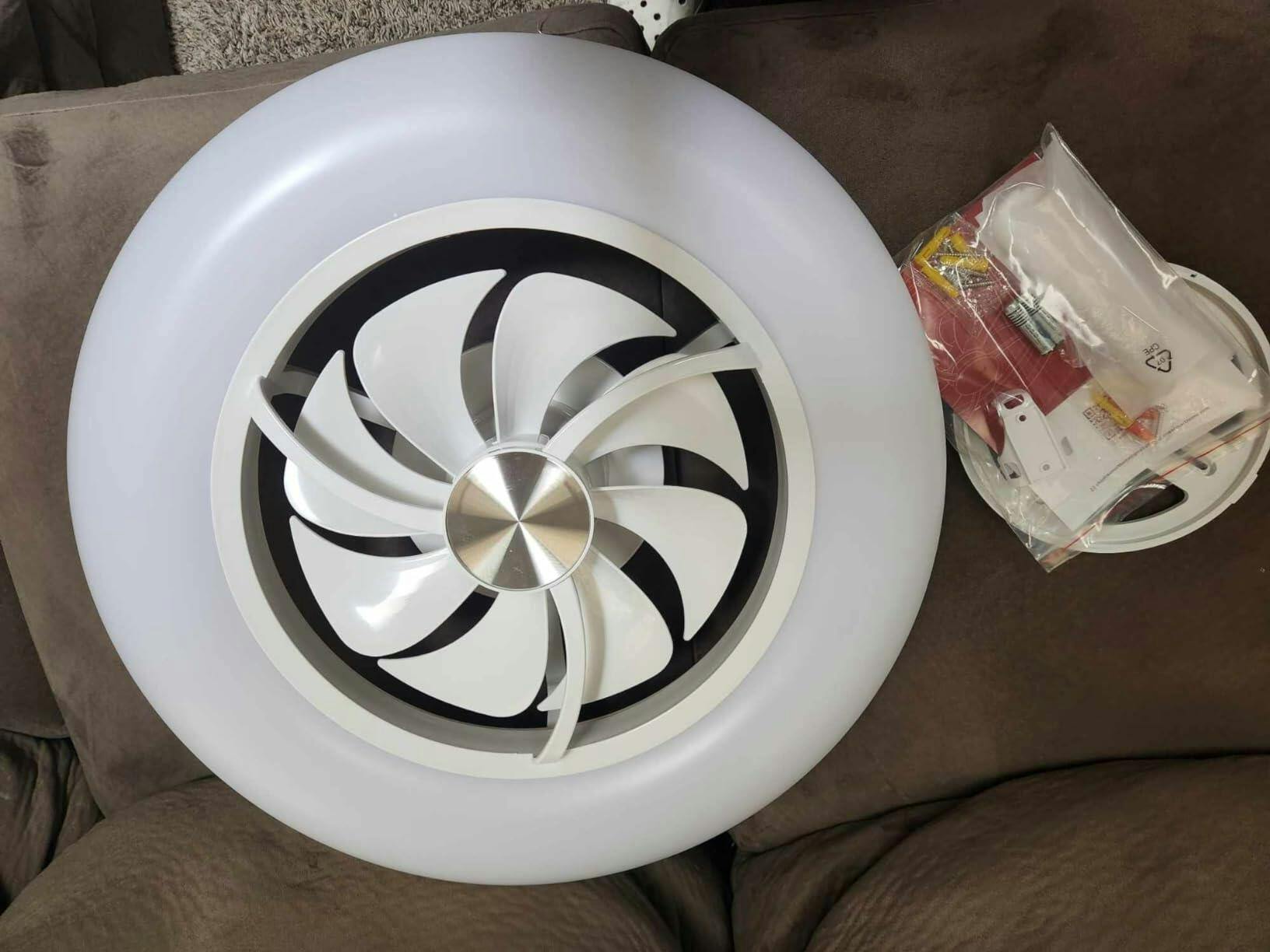
Buy smart, test early, and think lifetime cost — that’s the practical way to balance energy efficiency and performance when sourcing at scale. For a sensible mix of features and proven integration, models like the smart fans ceiling range tend to align well with these rules. —
Adopt these checks and you’ll avoid the usual snares; keep the spec tight, ask for real-world performance data, and insist on a short pilot run before committing to a full order.
Orison. — practical, dependable; the sort you’d trust to keep a building right.