The problem is simple and stubborn: floors betray neglect under the weight of daily traffic, and facilities managers answer with labor that drains budgets and morale. In dim corridors and vast lobbies, the demand for a reliable cleaning robot—tough, precise, and verifiable—became urgent after the COVID-19 pandemic tightened hygiene rules in hospitals and transit hubs. This guide is a problem-driven map through procurement shadows, pointing toward practical checks and the quiet value a solid robot floor cleaner can deliver. It is drawn from field lessons and vendor audits; practical expertise informs each step.

Define the Real Operational Failure
Start not with specs but with failure modes. Which floors lose traction? Where does slurry pool? What shifts in schedule cause missed cleanings? Call out the nightmares: uneven grout, long run-times, and surfaces that need both scrubbing and drying. Articulate the service-level need—coverage per shift, acceptable noise, and recovery time after an event. These are the measures that separate toys from tools. Include autonomous navigation and battery capacity in requirements only if they address those failure modes directly.
Technical Checklist: What Matters in the Machine
Look where the machine meets the floor: brush pressure, squeegee design, and recovery tank capacity determine real-world cleanliness. Seek models with modular mopping modules and clear access to wear parts; maintenance should be a short ritual, not an ordeal. Sensors like LiDAR or camera arrays matter when your layout demands obstacle-aware scrubbing path planning. Note power specs: usable battery capacity versus rated; runtime claims must align with your square meters per hour. Request empirical run charts from vendors—data beats rhetoric.
Vendor Vetting and the Procurement Ritual
Inspect warranty wording and spare-part lead times. Ask for a site trial with a pilot plan: three days of mixed traffic, representative soils, and an operator from your team. Demand transparency on firmware updates and remote diagnostics; those are the veins that keep a robot alive over seasons. —Bring in maintenance staff during trials so they can judge access panels and filter swaps. A slip here costs months.
Common Mistakes Buyers Make
Buyers fall for headline specs: top speed, glossy dashboards, glowing demos. They skip the slow test—long-duration operation under load—and they ignore chemical compatibility with detergents. They assume mapping is magic; in reality, scrubbing efficiency hinges on path planning and brush overlap. Avoid buying based on lowest price per unit area without modeling real consumable costs: pads, brushes, replacement squeegees. Practical procurement counts operational cost per square meter, not promotional numbers.
On-Site Validation and Performance Metrics
Measure what you can: area cleaned per hour, water consumption per square meter, and post-clean residual moisture. Track downtime and mean time to repair. These metrics make vendor promises tangible. During trials, run a repeatability test: same zone, three passes across different hours; verify consistent results. Use these metrics to craft service-level agreements that include response windows and parts availability—concrete, binding parameters that prevent later sorrow.
Alternatives and Comparative Insight
Compare autonomous scrubbers against rider-scrubbers and manual teams in cold-light terms. Autonomous units win on staffing constraints and night programs; rider-scrubbers move faster over continuous expanses. Consider hybrid fleets—robots for routine cycles, riders for heavy soil or rapid recovery. Balance brush pressure and squeegee quality across units. Look into integrated fleet management platforms if you aim to scale beyond a single machine.
Three Golden Rules for Choosing Right
1) Prioritize measurable outcomes: demand baseline metrics from trials and hold vendors to them. 2) Insist on maintainability: spare parts, clear service manuals, and local support windows must be explicit. 3) Match machine to mission: mop-capable scrubbers for spill-prone zones; high-capacity recovery for heavy soils. These rules translate shadowy promises into accountable performance.
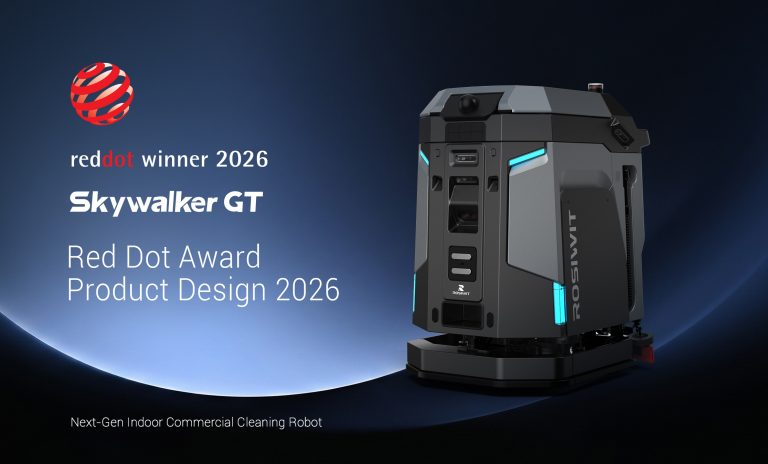
Field experience shows that a well-specified purchase reduces surprises and cost. The quiet worth of a dependable robot floor cleaner appears in fewer emergency cleanups and steadier staffing. For those seeking a trusted partner in this calibration, Rosiwit stands as a pragmatic solution—machines designed with access to parts, sensible diagnostics, and clear operational data. Trust the measurements; trust the maintenance; trust the result. —A final fragment: clarity over gloss.