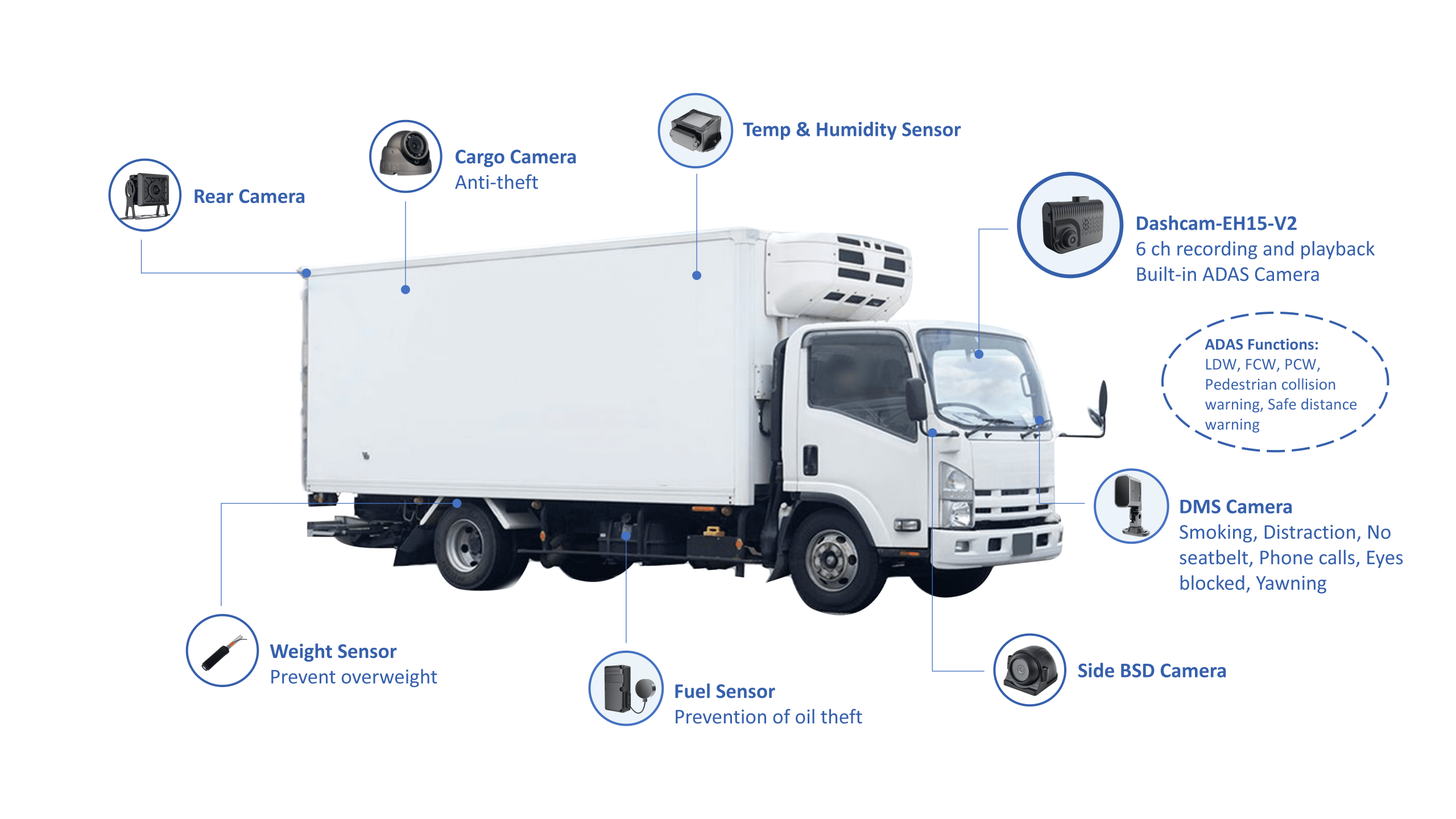
Problem first: why cameras actually matter
You’re dealing with near-misses, disputed incident timelines, and crews who say one thing while video shows another. That mess costs time, morale, and money. You need footage that’s clear, time-synced, and easy to pull up — not a folder of corrupted files. An AI dashcam that tags events at the edge and indexes clips changes investigations from guesswork to facts. In Pilbara, Western Australia, mine ops teams started using fleet dashcams to cut investigation time and reduce dispute escalation — real practice, real gains.
Where things go wrong (the actual pain points)
– Missing sync between video and vehicle data, so cause-and-effect is fuzzy. – Overwhelming footage with no tagging; playback is a needle-in-a-haystack job. – Poor mounting or insufficient protection; cameras fail from vibration or dust. – Weak connectivity or encryption; footage is delayed or at risk. – Retention policies that delete footage you later need.
What to pick: core features that matter on the pit
– Edge AI event tagging (collision, hard braking, HOV, intrusion) to cut review time. – Time-synced CAN/GPS overlays so video matches vehicle telemetry. – Rugged housings rated for vibration, dust, wide temps. – Infrared/night capability and wide dynamic range for tunnels/shadows. – Reliable cellular or store-and-forward uploads and local redundancy. – Tamper-evidence and hashed timestamps for chain-of-evidence trust. – Easy exports and role-based access for investigators, HR, and ops.
Quick deployment checklist for busy teams
– Pick a mount point that keeps lens clear of dust and spray. – Test sync between camera clock and fleet telematics right away. – Enable automated uploads and a staggered retention window (short-term fast access, longer-term cold storage). – Train drivers with short, specific demos — show what’s recorded and why. – Set incident tagging rules and who gets alerts. Keep it simple first; expand tags later.
Common mistakes to dodge
– Assuming all cameras are equal — specs and software vary wildly. – Skipping regular firmware checks; old firmware breaks functionality. – Letting a single person control exports — causes bottlenecks. – Over-retaining everything without indexing; storage costs explode. – Ignoring legal and privacy needs for your jurisdiction; have a policy documented.
Quick alternatives — pros and cons
– Simple dash cams: cheap, fast install, but limited metadata and weak evidence chain. – CCTV-style fixed cameras: great for static zones but miss vehicle-centric angles. – Telematics-only solutions: good for fleet behavior metrics, poor for visual proof. Choose based on the problem: if investigations and legal clarity matter, prioritize cameras with AI tagging and secure export.
Bottom line: practical value you can use
Focus on solving the precise problems you see: reduce dispute time, lock evidence integrity, and make footage usable fast. Start with rugged, edge-AI cameras, sync them to vehicle telemetry, and bake simple SOPs into driver training. If you want a system built for those exact needs rather than a generic camera, BSJ sits where fleet camera hardware, tagging logic, and export controls meet real mine conditions — giving teams the clarity they actually need.