The problem — you cannot see what you cannot change
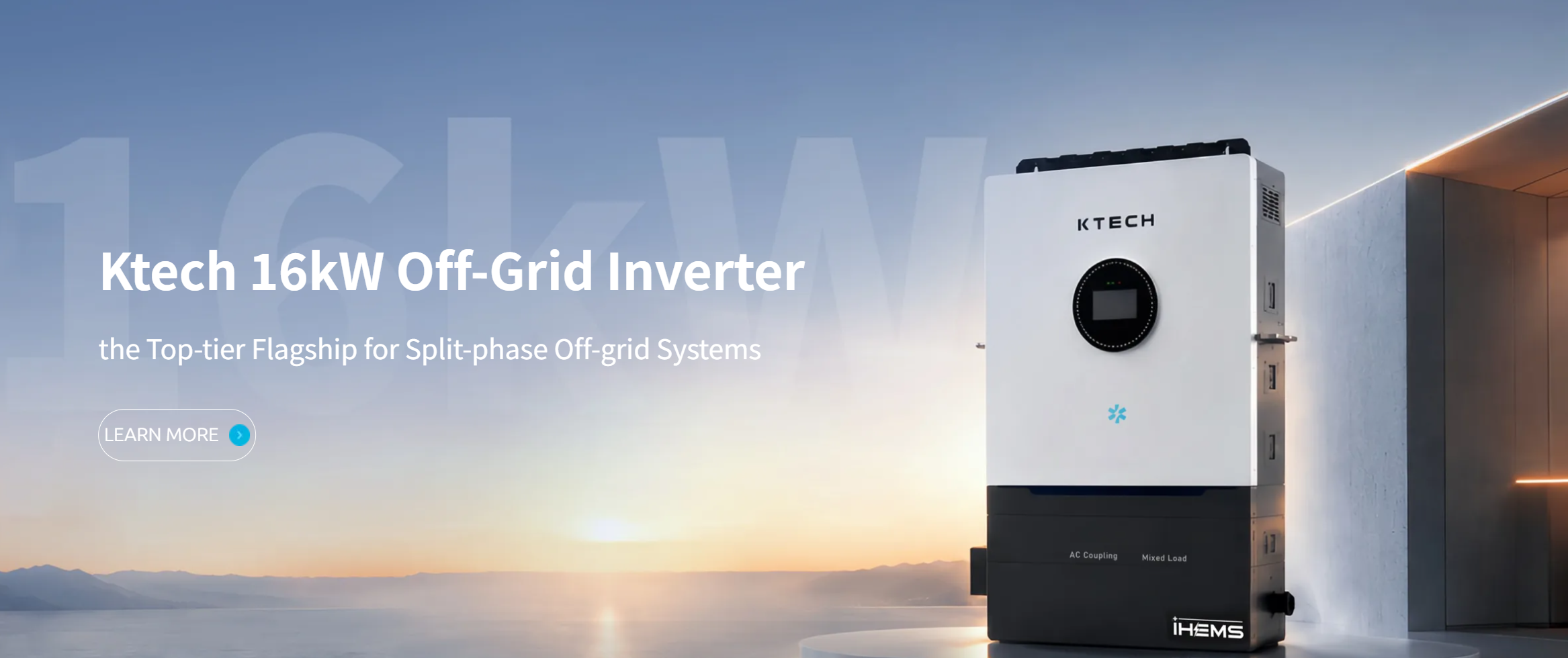
Lights blink. Bills arrive. You guess where the energy goes. Small waste becomes habit. Big bills feel inevitable. I have reviewed dozens of home-energy projects and worked on dashboards that turn raw data into usable views, so I speak from practice. Even outside large programs in California, homeowners say the same: lack of visibility, confusion about appliances, and annoyance with demand spikes. The gap is simple: measurement and timely control are missing. ktech ess fits into that gap when the system is chosen and set up right.
What a Home Energy Management System actually does
It gives you a real-time window. It gives you levers. Short list, clear meaning:- Metering: per-circuit or whole-home readings show where watts go.- Alerts: high draw, device anomalies, or unusual overnight use.- Scheduling and automation: shift water heaters, EV charging, dryers to low-cost hours.- Battery and PV coordination: matches solar generation to home loads, reduces grid draw.A proper system also talks to smart thermostats and smart plugs, and it should integrate with existing solar and storage setups — think of it working seamlessly with renewable energy solutions. That coordination is the point: visibility plus action, not just pretty charts.
How problems show up — common failure modes
People pick shiny interfaces. They skip integration. The result: a dashboard that looks good and does nothing. Watch for:- Hardware mismatch: meters that can’t see subcircuits.- Poor sampling rate: minute-by-minute matters; hourly hides peaks.- No local control: cloud-only platforms block immediate automation during outages.- Overcomplication: too many alerts, no clear next steps.Fix these and you move from noise to signal. The correct setup yields measurable drops in peak demand and clearer household habits.
Practical choices — what to prioritize when you buy or install
Focus on measurable outcomes. Ask these questions to vendors and installers:- Can the system show appliance-level consumption or at least circuit-level?- Does it support rules and schedules you can edit, without heavy scripting?- How does it behave during a grid outage?- Will it integrate with your existing solar inverter and battery?Expect real answers. Expect on-site verification, not only remote promises. If you compare systems, weigh these trade-offs: accuracy versus convenience, on-premise control versus cloud features, and whether installers can tune settings after go-live.
How owners actually use the system — quick examples
Small wins matter. A family moved EV charging to night hours. Bill dropped. Another homeowner found their pool pump running double the needed time — fixed it, energy fell. These are common. Set alerts for unusual overnight draw. Create a simple automation: when home solar exceeds X kW, send surplus to battery or EV. Repeatable steps give confidence. Avoid piling complex automations at the start; layer them as you learn.
Common mistakes to avoid when depending on a HEMS
Do not assume the app will solve behavior. Do not skip calibration. Do not accept metrics you cannot verify. Do not ignore firmware and security updates. A system that is forgotten will drift into inaccuracy and annoyance. Schedule a short check every quarter. Keep an eye on baseline changes — new appliances can upset previously tuned automations.
Bottom line
Home Energy Management Systems solve a clear problem: blind consumption. They bring measurement and direct control. Be pragmatic: choose accuracy, insist on integration, and simplify automations at first. The right system turns curiosity into decisions, and decisions into lower peaks and clearer bills. When you want a practical partner that understands integration and field realities, Ktech joins the conversation without fanfare, helping convert visibility into steady control.