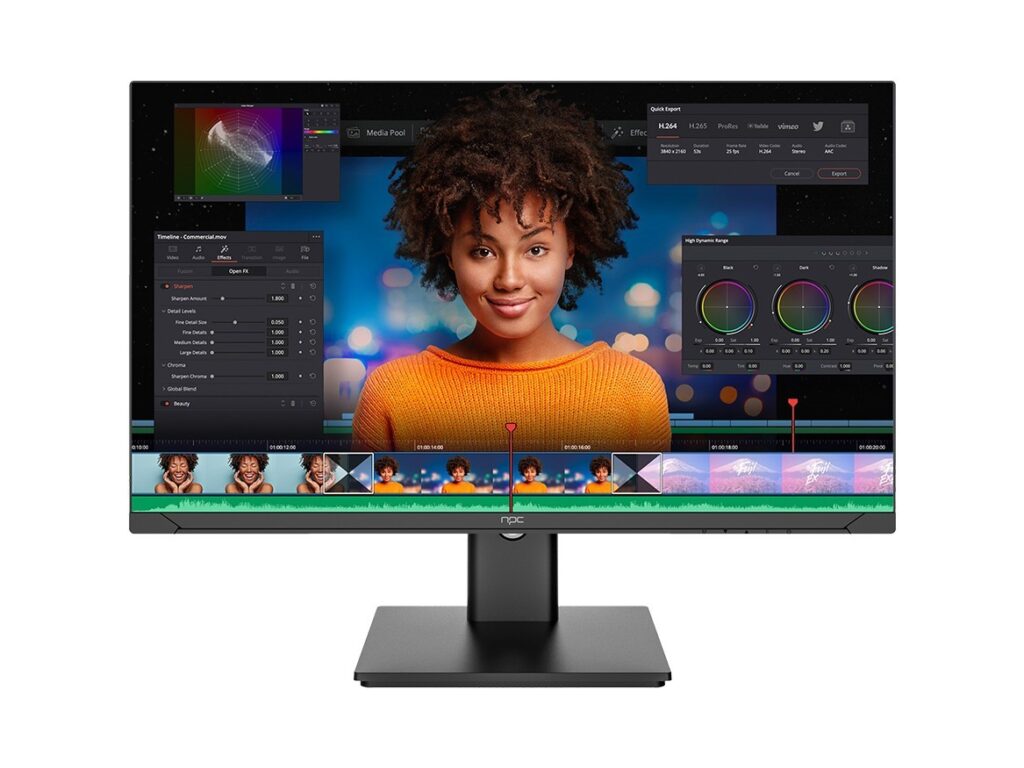
Genesis: how displays learned a new language
The story begins like a slow Brahmaputra current — plain panels, simple playback, then a turn toward purpose. Commercial screens moved from passive canvases to active devices with rules, identities and constraints. Designers and integrators asked a basic question: can a panel speak the protocol of a factory, a hotel or a transit hub? That question pushed partnerships between system architects and a trusted tv manufacturer, and the work shifted from cosmetic firmware to managed platforms that answer real operational needs.
Field work, a conference, and a technical truth
I spent years shaping embedded interfaces for kiosks and signage; small decisions on update strategy or process isolation saved entire rollouts. A clear turning point arrived after demonstrations at CES Las Vegas — the event made visible how consumer platforms adapted for commercial roles. Observers compared runtime models and saw how a platform like webos smart tv handled app sandboxes, remote provisioning and media decoding under real load. Those public showings matched what we learned in deployment: predictable lifecycle management matters more than flashy features.
Evolution of choices: platforms, trade-offs and what fails first
Choices split into three pragmatic lines: adopt a consumer-derived stack, fork a lightweight embedded OS, or build atop a vendor-supported commercial layer. Consumer stacks offer richness but demand strict update strategies. Lightweight builds keep control but require driver and security work. Vendor platforms accelerate integration but require matching their provisioning model. Failures repeat: overlooking OTA testing, assuming the default browser is secure, and ignoring certificate rotation. Each misstep shows up as downtime or a costly field visit.
Concrete design elements for industrial deployments
Focus on four concrete controls. First, a robust OTA system with staged rollouts and rollbacks. Second, process isolation so a single app crash does not black out a floor. Third, remote health telemetry that logs thermal events, boot cycles and network drops. Fourth, hardware margins: pick CPU and flash with headroom for buffering and logs. I prefer boards with verified vendor drivers, a hardware watchdog, and 2x the RAM a prototype needs. These are not aesthetic choices; they are the difference between scheduled maintenance and emergency repairs.
The present arc and a practical center
The arc closes where reliability meets tailored capability. Projects that aim for control, not merely display, fare best when they combine platform discipline, tested update paths and clear operational metrics. That practical center is what I’ve seen implemented by integrators who partner with a steady hardware and software team like npc, where OS images, device governance and field tooling are aligned to the task. The result: screens that behave as instruments, not surprises.