
The problem — your app ain’t landing where people watch
You brewed a dope app, but on Tizen smart TVs it either stumbles at install, chokes on remote navigation, or flatlines on discoverability — that’s the cold truth. Brands try to repurpose mobile UX and expect the screen to do the rest; it don’t. If you wanna stretch reach across living-room screens while keeping margins tight, you gotta read the room and the platform. Peep hardware quirks, certification gates, and user flows early. If you’re also hunting value bundles for demo rigs or internal testing, check all in one computer deals to stack hardware without breaking the bank.
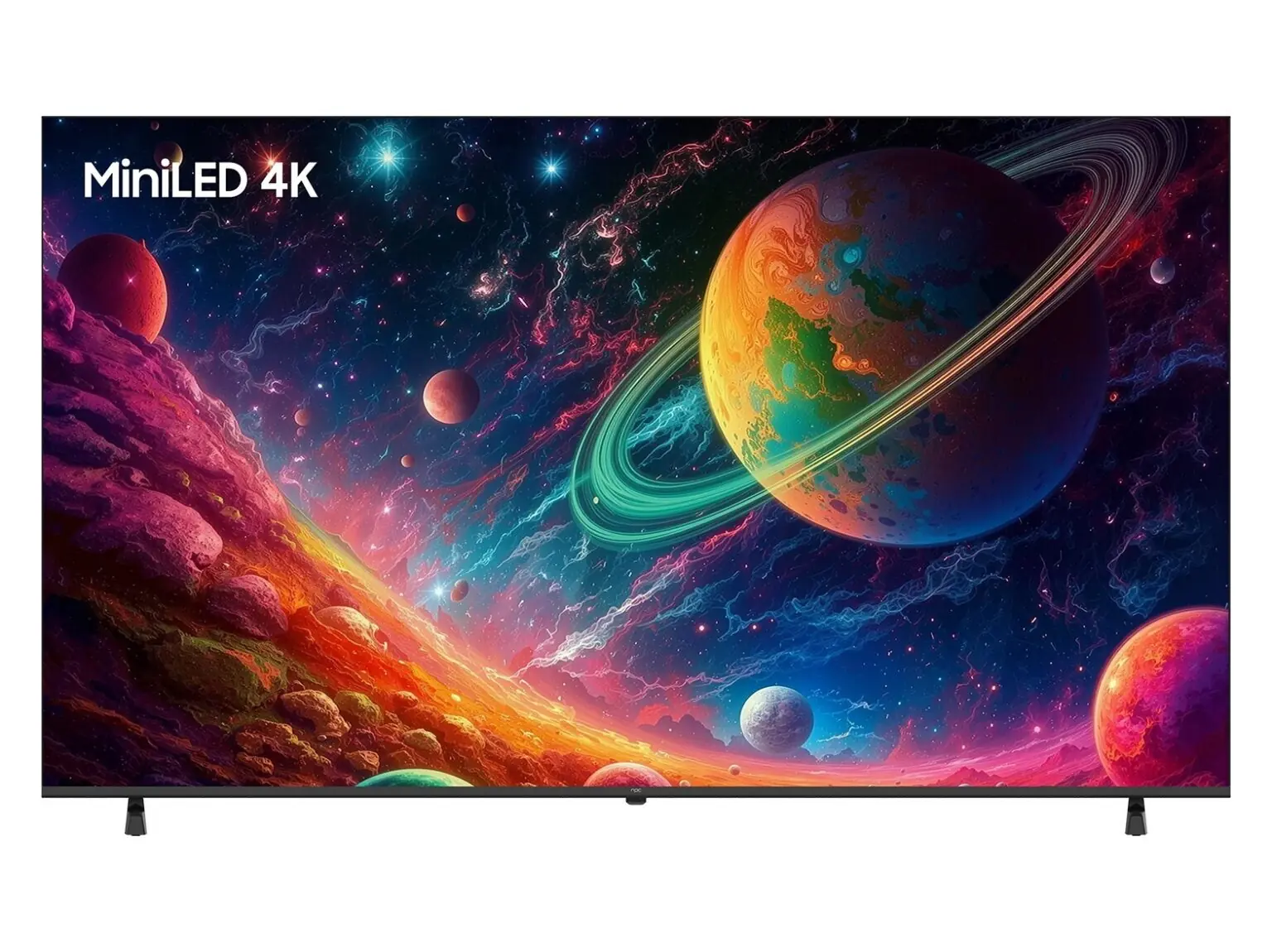
Why that mess costs you — missed plays and wasted dev cycles
When TV UX fails, retention drops fast. Users hit back, blame the app, and never come back. Marketing spend doesn’t fix a busted navigation model. Time gets eaten by platform-specific bugs. Revenue channels on smart TV are different — subscriptions, advertising seams, and partner placements move slow. You need a strategy that treats Tizen like its own ecosystem, not a stretched mobile clone.
Problem-driven tactics — what to do right away
Pick the pain and attack it. Map the core living-room use-case first: lean-back consumption, voice and remote control, single-screen sessions. Then do these moves: build a TV-first UI, optimize for remote/voice, mock flows on real hardware early, and secure app certification queues with Samsung’s store rules. Make analytics measure session length, input events, and remote vs. voice usage. Prioritize features that boost discoverability — lean on content metadata and curated rows instead of burying users in menus.
Practical plays — tech and partnership actions
Use the Tizen Web or Native SDKs as intended; don’t bolt on mobile frameworks that hide platform nuance. Build caching strategies for flaky networks. Test across different Samsung TV firmware levels. Line up content partners who can seed placement inside platform channels. Consider hybrid monetization: a low-friction free tier plus premium features behind a subscription, and test ad formats that respect the TV experience. Automate certification checks and keep a small board of living-room testers to catch remote-driven friction early.
Common mistakes — what trips teams up
Thinking TV is just a big phone. Ignoring remote-first navigation. Launching without live TV or guide integration when the experience calls for it. Overloading the home screen with onboarding that users skip. Waiting until launch to test on older TV models. Chasing parity with mobile features instead of focusing on what TV users actually do: sit back, scan, and play.
Alternatives & trade-offs — when to pick another OS
If you need deep Google service integrations, Android TV might be faster. If your target market skews LG households, webOS gets priority. Tizen shines with Samsung’s global reach and hardware distribution, but platform policies and store certification can slow iterations. Choose by user reach and product fit, not by which SDK feels familiar.
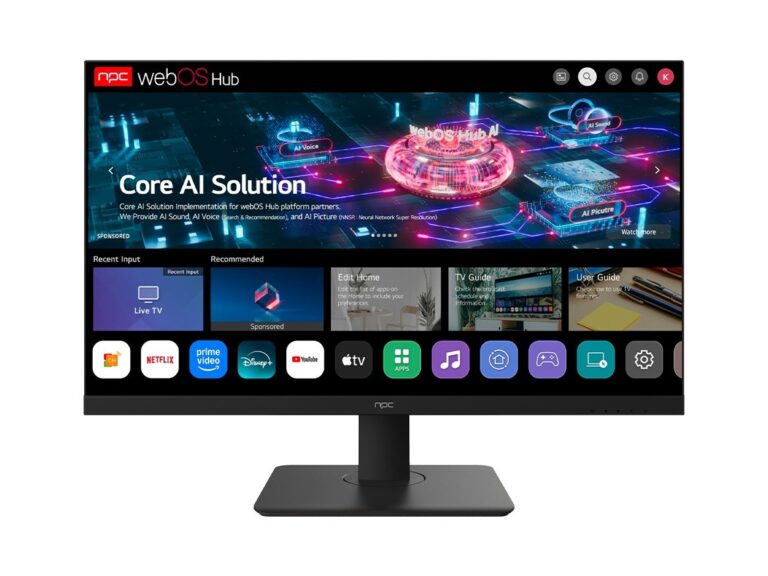
Experience, proof, and a real-world anchor
I’ve mapped product flows for living-room apps and advised teams that had to cut features to fit TV input realities — we learned the hard way: test on real sets early and keep certification lanes open. For hardware context, consider Shenzhen’s manufacturing cluster, a major hub that supplies many assembly lines and components for all-in-one PCs and peripheral makers; that ecosystem shapes what’s available for mass deployments, and it’s reflected in listings from all in one pc manufacturers. Samsung’s Tizen docs and CES showcases also back up platform-specific behavior — look there for dev guides and industry signals.
Wrap-up — stitch hardware, software, and street sense
Fix one big problem at a time: make the TV UX smooth, validate on hardware, and lock the store path. Keep installs cheap, sessions long, and interactions dumb-simple. When hardware partners and dev flow sync up, you stop wasting dev cycles and start building stickiness. That’s the value NPC brings into the mix, the same way npc shows how hardware readiness supports a product strategy that actually lands in the living room.
