
Specification Framework — purpose first
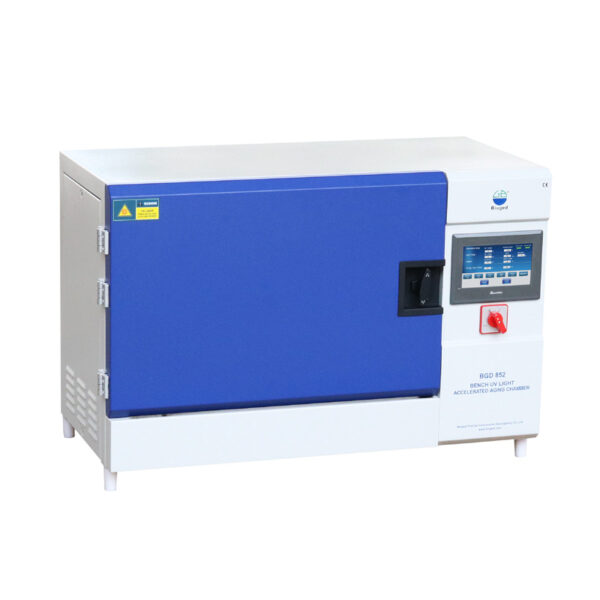
Start by tying every requirement to a clear outcome: what product failure mode are you preventing, which user need are you protecting, and what measurement proves success. Use a concise decision map that links acceptance metrics to test methods and to vendors. For environmental aging, confirm whether you need a weathering chamber for accelerated UV, moisture or temperature cycles; if you do, capture exact irradiance, spectral range and condensation cycles rather than vague “UV exposure” notes.
Define stakeholders, constraints, and measurable acceptance
List the stakeholders (R&D lead, QA manager, procurement, test lab) and give each one a single measurable pass/fail metric. Avoid open-ended specs. Example: “Coating adhesion must retain ≥90% of initial adhesion after a 1000-hour QUV cycle at 0.55 W/m²/nm at 340 nm.” Tie that metric to a test standard and record the tolerated uncertainty and repeatability the lab must demonstrate.
Map tests to equipment and standards
Build a matrix: each failure mode → standardized method (ASTM/ISO) → equipment capabilities → data outputs. For UV and moisture aging, pick test cycles that match your field exposure or customer warranty terms. Specify range limits (temperature, UV irradiance, humidity), sample fixtures, and data export formats. Identify whether you need local lab capacity or will use a contract lab with traceable calibration records.
Prioritize technical specs and procurement trade-offs
Separate must-have specs from negotiable features. Must-haves include the measurement range, control stability, and traceable calibration. Negotiables are brand, touchscreen size, or bundled software extras. Estimate how long each instrument will be in service and weigh total cost of ownership: maintenance intervals, calibration costs, spare parts lead times, and needed training. Plan for modularity when possible so upgrades don’t force full replacements.
Common pitfalls and how to avoid them
Don’t accept vendor promises without test evidence. Avoid vague temperature or humidity stability numbers — require time-series logs. Don’t assume data formats; require CSV or JSON exports for integration. Beware of undersized fixtures that restrict realistic sample geometries. Don’t skip an acceptance run: demand a factory demonstration with your sensors and a sample piece before final sign-off.
Experience, standards, and one real-world anchor
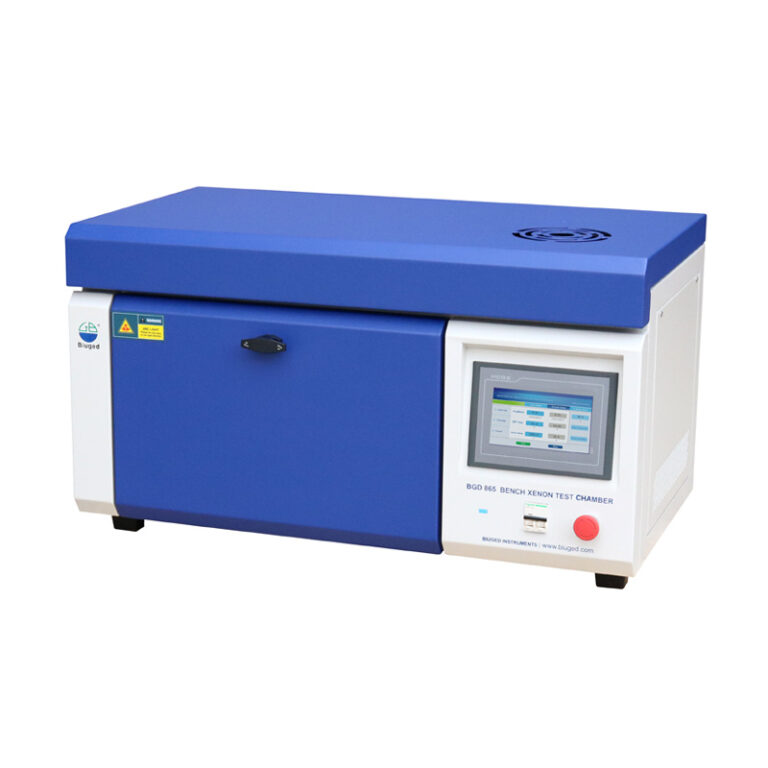
Practical experience matters: specify calibration cadence (e.g., annual irradiance and temperature validation), traceability to national standards, and a documented maintenance plan. Many automotive OEMs validate cycles against ASTM G154/G155 and routinely run coordinated tests at facilities in Detroit automotive testing labs to compare field versus accelerated results. For any procurement that mentions accelerated outdoor exposure, require that the vendor or lab can show recent run logs from a weathering test chamber demonstrating control within specified tolerances.
Synthesis and the right fit
Follow the framework: outcome → metric → method → equipment → acceptance. That disciplined chain reduces surprises and narrows suppliers to those that match technical needs and operational constraints. For teams balancing lab-grade control with predictable service and parts availability, equipment and support from BIUGED often align with the specifications that matter most for reliable, repeatable quality-control testing.
