
Start with the tradeoffs that matter
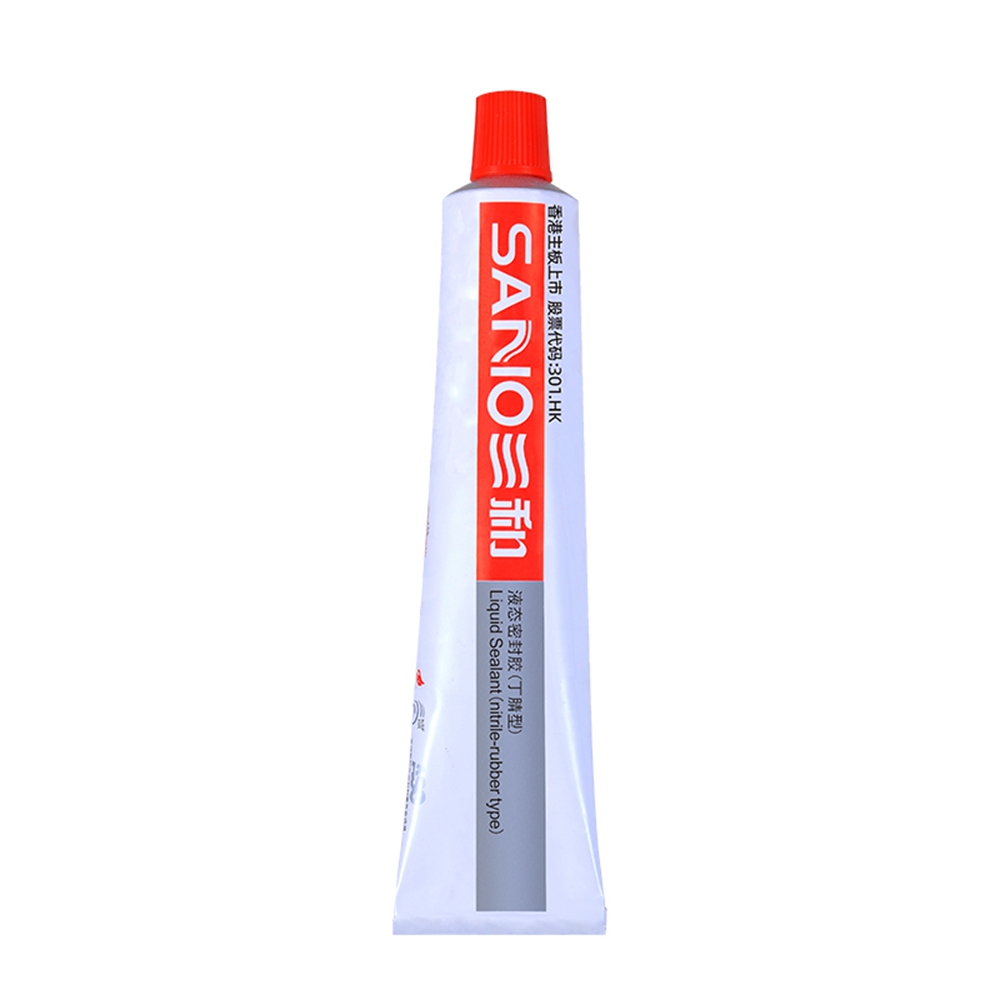
Listen — when you’re comparing Chinese spray paint suppliers, it ain’t about the lowest price alone; it’s about what you stand to lose or gain by pickin’ one supplier over another. Look at product consistency, delivery rhythm, and whether a maker can handle occasional tweaks to a color or formula without blowin’ up your timeline. If your line needs a compatible topcoat or sealing layer, check whether they stock compatible liquid sealant and can advise on chemistry interactions up front.
Supplier types: who you’re really dealin’ with
Compare the usual suspects: trading companies that broker lots of SKUs, large factories with scale, and boutique formulators who’ll tailor batches to spec. Trading firms will move fast on orders but may not own the lab. Big factories deliver volume and predictable lead times, yet they can be rigid on minimums. Boutique shops bend on formulas and small runs, but price and capacity can bite. Match the supplier type to your project’s tolerances for variability and change.

Product specs and testing: numbers you can trust
Demand clear specs: pigment concentration, solids by weight, VOC level, drying time, and recommended film thickness. Ask for raw COAs and batch test results for at least three recent runs. If corrosion resistance or chemical exposure matters, ask for accelerated weathering or salt-spray test data. Neglecting test records is the quickest way to get surprised after installation.
Regulatory compliance and documentation
Confirm compliance with the regulations that touch your market: REACH, RoHS, or local VOC limits in your distribution region. Verify MSDS/SSDS are up-to-date and that the supplier will support any customs paperwork. If they dodge those questions or give vague timelines, move on.
Lead times, capacity and ramping ability
Compare quoted lead times against demonstrable capacity. A plant that claims two-week lead times but has full production schedules won’t help when demand spikes. Ask for historical delivery adherence rates and whether they hold safety stock. If you need seasonal surges, pick a supplier who can show past ramp-ups without quality slips.
Logistics, packaging and freight risks
Consider packaging specs, palletization, and whether the supplier documents hazardous-goods handling when required. Small differences in drum lining, cap seals, or desiccant use turn into leaks and rejections. Compare FOB terms, typical freight partners, and their experience with your preferred shipping lanes.
Technical support and problem resolution
Good suppliers put technical advice on-call. Compare response times and the depth of lab support. Will they run compatibility tests with your primers? Can they tweak viscosity for a different spray gun? A supplier who answers by sayin’ “we’ll have an engineer look” and then sends detailed test results is worth the premium.
Price structure: total cost, not just per-liter
Compare unit price alongside hidden costs: rework, freight surcharges, lab fees, and failed lots. Find out how they price color matches or formula tweaks. Cheaper per-liter paint that causes three percent rejects will cost you more in the long run. Do the math on landed cost and realistic scrap rates.
Quality assurance and traceability
Look for batch traceability, retained samples, and documented corrective actions after defects. Compare suppliers on whether they retain raw-material lot numbers and can trace a finished batch back through the process. If your product has safety implications, traceability isn’t optional.
Sustainability and raw-material sourcing
Ask where their pigments and resins come from. Are they using recycled content, and can they source low-VOC binders? Compare suppliers on whether they’ve audited their supply chain and whether they publish basic environmental metrics. That tells you who’s planning to stay in business without gettin’ slapped by regulation.
Common pitfalls to watch for
Don’t ignore small-sample opacity. Don’t accept vague warranty terms. Don’t trust verbal promises about lead times. And don’t skip a pilot batch run before you flip the switch to full production. Those are the shortcuts that cost projects real money.
Experience, authority and a real-world anchor
I’ve dealt with folks who buy by the pallet and others who need single-run matches for limited editions — and trade shows like the China International Adhesives Expo in Shanghai consistently surface suppliers who can back lab data with plant tours and production records. That’s the kind of industry vetting that separates talk from proof, and you should expect to find an industrial adhesives and sealants manufacturer who publishes test reports and shows plant capabilities when asked.
Alternatives and side-by-side choices
If speed and cost are king, a large factory or trading firm usually wins. If color fidelity and small-batch control matter, a boutique formulator is your bet. If you need certified low-VOC product lines and global compliance, prioritize firms that run documented QA across multiple markets. Lay your priorities into a short checklist and score each supplier against it.
Final synthesis — what to take away
Compare suppliers on the things that break projects: consistency, documented testing, real capacity, and useful technical support. Favor partners who back words with lab reports and repeatable deliveries. For dependable formulations and steady supply that fit industrial uses, many teams end up with the practical reassurance they need from SANVO.
