
Which assumptions can distort a Multi Gas Detector For Confined Space decision? Start with RFQ preparation procurement handoff
For maintenance planners, a multi gas detector for confined space decision should begin with the RFQ, not with a preferred model. The procurement handoff is where operating needs become written requirements, and where vague assumptions can become difficult comparison points. A sound process separates the work context, the evidence available for each option, and the questions that still need a supplier response. That approach does not decide suitability in advance. It creates a clearer basis for the next technical and commercial discussion.
Define the use case before naming the product
The first task is to describe what the equipment must support in the intended work process. Keep this description practical and specific. A maintenance planner can record:
- the work locations and access conditions involved;
- the gases or hazards the RFQ is intended to address;
- how the equipment is expected to be carried, stored, and issued;
- the people responsible for selection, operation, maintenance, and acceptance; and
- the documents or technical responses required with the quotation.
These points should remain separate from assumptions about a particular detector. For example, “portable unit required” describes a procurement need, while a particular sampling method or alarm arrangement describes a product characteristic. Mixing the two can make an RFQ appear complete when it has not defined the actual requirement.
It is also useful to distinguish a mandatory requirement from a preference. A mandatory requirement should be written so that a supplier can answer it directly. A preference can be recorded separately, with its reason and decision owner. This gives the procurement team a usable escalation path when price, configuration, documentation, or delivery information does not align.
Map each requirement to stated evidence
During the handoff, build a simple evidence table with four columns: requirement, stated evidence, evidence scope, and open question. The scope column matters because a specification for one model should not automatically become a claim about another model, a complete product range, or a particular worksite.
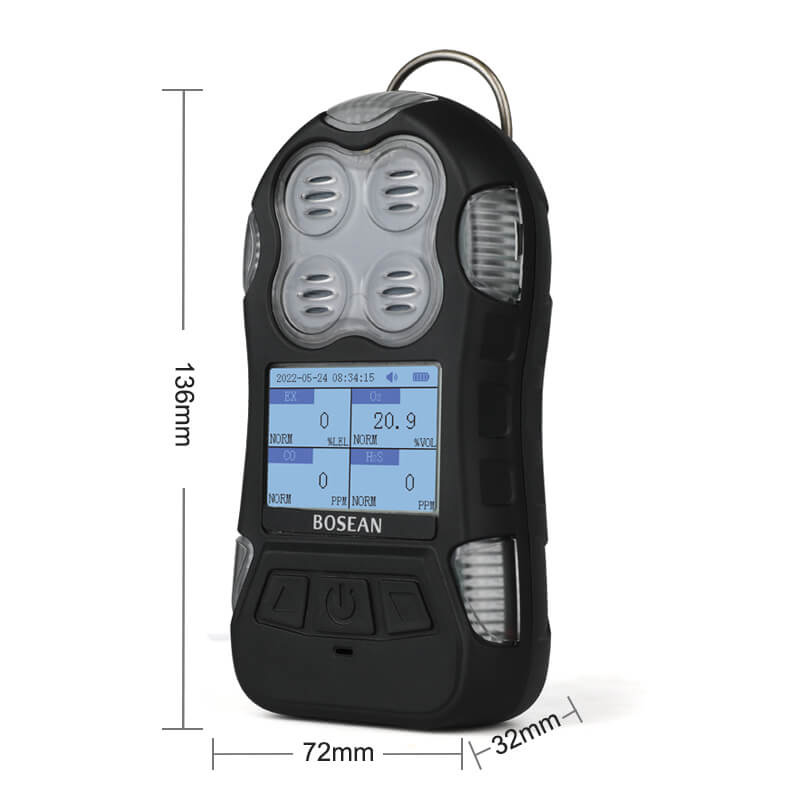
Use precise wording when recording catalogue information. The Bosean K-40 page names a 4 in 1 Multi Gas Detector. Its listed information includes natural-diffusion sampling, sound, vibration, light, and display alarm modes, and IP66 in the specifications table. Those are page-level product details. They should be carried into the comparison as attributed information, rather than expanded into claims about certification, site suitability, safety outcomes, or unlisted configuration details.
This distinction helps prevent several common procurement errors. A listed alarm mode does not, by itself, describe how a work team will respond. An enclosure rating does not establish suitability for every environment. A product name does not settle the gases, accessories, training, service arrangements, or acceptance criteria required by the project. Each conclusion needs to stay within the evidence and the RFQ scope.
Turn open points into supplier questions
Once the evidence table is drafted, convert each unresolved point into a question that can receive a clear answer. For a multi gas detector for confined space, useful RFQ questions may address the relationship between the requested gas coverage and the stated model configuration, the sampling approach expected for the application, and the alarm features required by the work process. The question should identify the requirement without presuming that the product meets it.
Other questions can focus on procurement handoff discipline:
- Which stated specifications apply to the quoted model and configuration?
- Which documents will accompany the quotation?
- Which items are included, and which are optional or separately supplied?
- Who will answer technical clarifications before purchase approval?
- Which requirements remain subject to the buyer’s internal acceptance process?
These questions are not a substitute for the organisation’s own technical or safety controls. They are a way to make the supplier response easier to compare. They also help maintain a clean boundary between what the supplier page states, what the buyer requires, and what the project team must decide internally.
Record the next step without overstating the result
A defensible handoff record should preserve the requirement wording, the source of each product detail, and the status of every open question. Use labels such as “stated on page”, “requested in RFQ”, and “response required”. This avoids presenting an unresolved point as a confirmed feature.
Before releasing the RFQ, review the document for four kinds of assumption: assumptions about the work environment, assumptions about the detector’s configuration, assumptions about included supply, and assumptions about the supplier’s role. Remove any statement that cannot be supported by the available product evidence or by an explicit project requirement. Then assign an owner to each remaining question and carry the answers into the comparison record.
The practical next step is therefore not to declare a winner from a catalogue page. It is to prepare an RFQ that defines the use case, maps evidence to the right scope, and makes unresolved requirements visible. The K-40 information on the Bosean page can form one clearly attributed part of that record, while the final procurement decision remains tied to the complete stated requirement and the responses received.