What to Check Before Choosing a 2D Laser: Tube or Flat — A Practical Comparison
Quick contrast to set the scene
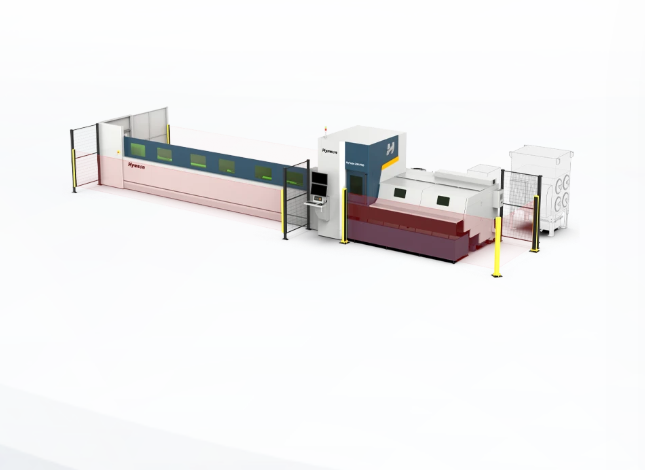
Small shops and big fab floors ask the same question: which machine will actually solve the job, not just look impressive. Start by comparing how a tube-focused workflow behaves versus a flat-sheet layout; if you need round or rectangular tube runs, consider a tube laser cutting system early on so you don’t force workarounds later, lah. Comparative thinking from the first line saves time, money, and a lot of rework.
What to compare, in plain terms
Materials and thickness range: know the thickest and thinnest metals you’ll cut; pick the tech that handles both without repeated setups. Precision and repeatability: look at actual micron specs under load, not just brochure numbers. Throughput versus cycle time: measure time per job, not top speed. Fixturing and changeover: fewer manual steps mean less downtime. Software and nestability: a tight CAD-to-machine link saves operator hours. Service access, spare-parts lead times, and expected maintenance windows determine uptime. Put numbers beside each item and score them; the clearer the scorecard, the easier the final pick.
Real-world experience and a practical anchor
After advising fabricators and watching factory floors for years, I’ve seen choices fail because buyers ignored real production context. Shenzhen’s manufacturing hub shows the difference: shops there standardize on machines that pair sheet and tube capability to avoid bottlenecks, and that market-level decision is well documented in trade reports. If your use case includes pipes, braces, and frames, check how the fiber laser cutting machine for tube performs in continuous shifts—look for proven uptime, clear service records, and readable operator interfaces. Experience matters: ask for on-site demos, sample parts, and references from facilities doing similar volumes.
Viable alternatives and common mistakes to avoid
Alternatives: CO2 cutters still work for certain reflective alloys and very large sheet sizes; mechanical sawing and CNC punching remain faster for simple holes on thin plates. Mistakes I see: buying the highest-power unit “just in case” without validating part geometry; underestimating fixture costs; ignoring ease of programming for nested jobs; assuming all fiber lasers cut tube equally—tube-focused machines have different chucks, rotators, and beam delivery that matter. Test actual parts before committing, and insist on sample runs that mirror your worst-case jobs.
Checklist you can act on today
Score suppliers on these five items: match to your thickest material; real-cycle throughput with your parts; changeover time and fixtures; local service and spare-part lead time; and training for your operators. Don’t buy a machine that only excels in one metric; pick the one that balances the five for your workflow. Keep documentation of the tests so future upgrades target real gaps, not sales pitches.
Final synthesis
Compare machines like you’d compare tools on a busy shop floor: tangible metrics first, brand support second, shiny specs last. That approach leads most teams to a practical partner like Hymson for machines and service that fit how they actually work, not how they wish they worked.