
Introduction — scenario, data, question
Not all red light systems perform equally; some barely move the needle while others deliver clear results. I work with teams that build and certify devices, and a typical red light therapy company will see a 20–40% variation in user outcomes across product lines (measured in device irradiance and session consistency). What causes that gap — faulty design, poor calibration, or simply bad user guidance?
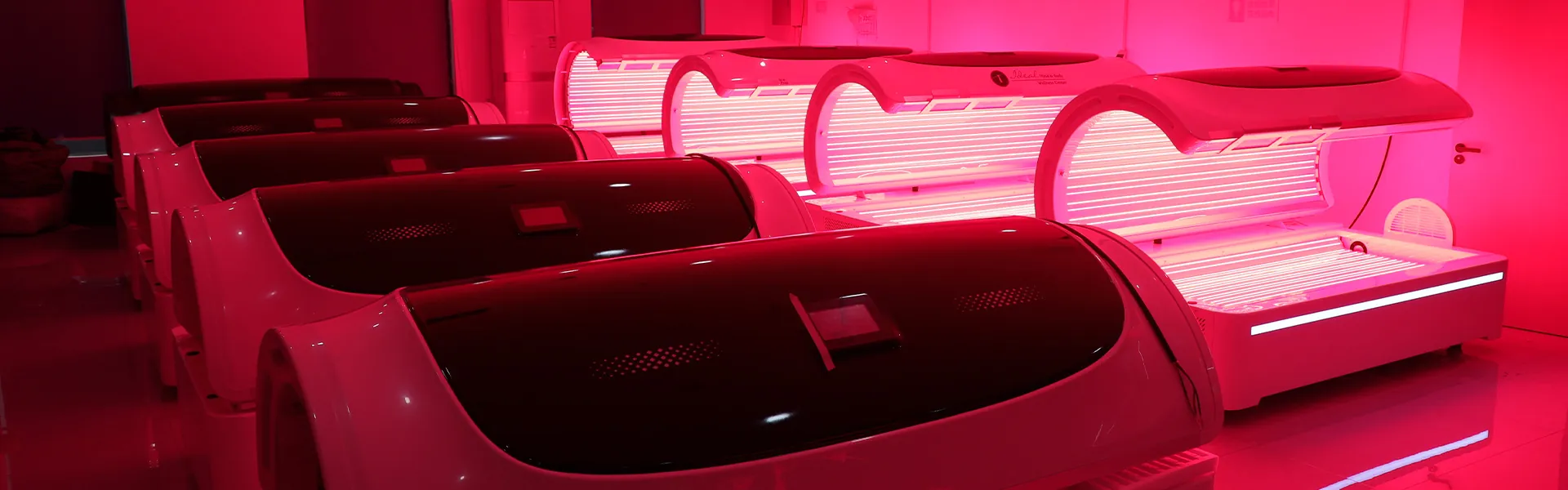
Here I want to be direct and technical. We look at irradiance curves, LED arrays, power converters, and wavelength calibration. I’ll show you the scenario, cite practical numbers, and then ask: how do we close the gap for real users? — this is not marketing fluff. Let’s move to what breaks down in practice and why the simple fixes often fail.
Deeper Layer: Why traditional solutions fail for the infrared light bed
Referencing the point above, the single biggest fault I see is misplaced trust in nominal specs. The infrared light bed on paper can look excellent: claimed wattage, stated wavelength, even a neat clinical citation. In the lab, though, many units miss their target by 10–30% once you factor in thermal drift, LED aging, and poor wavelength calibration. I say this from hands-on tests and field reports. Look, it’s simpler than you think: good on-paper numbers don’t guarantee delivered dose.
Why does it break down?
There are two technical culprits. First, the control electronics. Cheap power converters allow voltage sag under load; that reduces irradiance. Second, optical design. Poorly arranged LED arrays create hot spots and dead zones on the mat. Both issues change the user experience and reduce photobiomodulation effectiveness. We also see calibration gaps—manufacturers skip routine checks after assembly. I’ve been in rooms where the unit was warm and the output low—funny how that works, right?
Forward-Looking Perspective: future outlook and selection principles
What’s next is about fixing root causes and choosing smarter designs. I expect three clear trends to lead the way. One: tighter component specs and better thermal management to keep irradiance stable. Two: embedded sensors and feedback loops that monitor output in real time. Three: clearer user guidance so the user hits the right dose each session. The infrared light bed becomes a platform, not just a lamp—sensors, firmware, and service play together to keep results consistent.

What’s Next?
We should evaluate new designs by principle, not promise. Ask whether the device measures its own output. Check whether it compensates for LED aging and whether wavelength calibration is user-accessible or locked away. I prefer semi-formal testing: look at spectral stability over time, thermal maps, and the control logic. You’ll find units that pass the spec sheet but fail these checks. — that’s the gap to close.
Closing: three metrics I use when choosing a solution
I’ll leave you with three practical evaluation metrics you can apply immediately. First, delivered irradiance stability: measure output at target points over 30 minutes and after 1,000 hours of use. Second, spectrum fidelity: the actual emission must match the therapeutic band within a narrow margin. Third, user dose reliability: does the system report or auto-adjust to ensure the same energy is delivered each session? I rely on these metrics in my work; they cut through marketing claims and focus on outcomes.
We owe users clear, reliable devices. I’ve seen the difference when teams implement these checks—real gains in consistency and satisfaction. For tangible solutions and systems designed with those metrics in mind, see how innovations are applied by brands like Magique Power.
