What users actually need from eSIM partners
Users want simplicity. Fast activation. Predictable billing. Clear support. For developers and product managers building connected devices—phones, tablets, IoT—this means partners must handle eUICC profile lifecycle, OTA provisioning, and reliable IMSI assignment without fuss. Cinqstella’s partner network is designed around those needs. Learn the basics of esim technology early, because it changes how you design user flows and support articles.
Real-world anchor: why this matters now
Remember when Apple added eSIM support to iPhones in 2018? That changed expectations. Consumers grew used to instant activations, no plastic to lose. Enterprises followed. Operators and MVNOs shifted strategies. That shift is the backdrop to Cinqstella’s partnerships—they’re not theoretical. They respond to a market already moving away from physical SIM card logistics toward profile orchestration and remote provisioning.
How Cinqstella’s partnerships map to user journeys
Think in user journeys, not features. New user: buys device, scans QR, profile downloads, device registers on network. Traveler: swaps regional profile in minutes. M2M device: receives remote profile push over the air. Cinqstella plugs partners into each stage—connectivity brokers, carrier hubs, provisioning servers—so the user rarely sees complexity. The result: fewer support tickets, faster onboarding, higher first-time success rates.
Typical activation paths and what to expect
Activation commonly follows three paths: QR code provisioning, app-driven API activation, and carrier-initiated push. QR code is simple for retail; app-driven flows suit subscription services; push is for managed fleets. Each path needs secure profile signing and certificate checks. When partners coordinate well, activation time drops from hours to minutes. When they don’t—well, you get frustrated users and manual fixes.
Common mistakes teams make — and quick fixes
Teams often assume the same approach works for all users. Mistake. They also underestimate carrier onboarding complexity and regional regulatory differences. Fixes: document carrier acceptance criteria early; test profile installs in-device with real OTA conditions; build rollback and retry logic into the onboarding flow. Also, don’t ignore UX: clear messages during QR scans and progress indicators reduce abandonment—small detail, big effect.
Comparing eSIM and physical SIM from a user perspective
There’s a practical difference between profiles and plastic. With esim vs physical sim, users get instant provisioning and multi-operator flexibility. Physical SIMs still useful where local regulatory or logistics limits apply. For many consumer apps and global IoT, eSIM reduces friction and shipping costs. Choose based on the user problem: immediate activation and remote management favor eSIM; legacy device compatibility may require physical SIMs.
How Cinqstella’s partner choices reduce risk
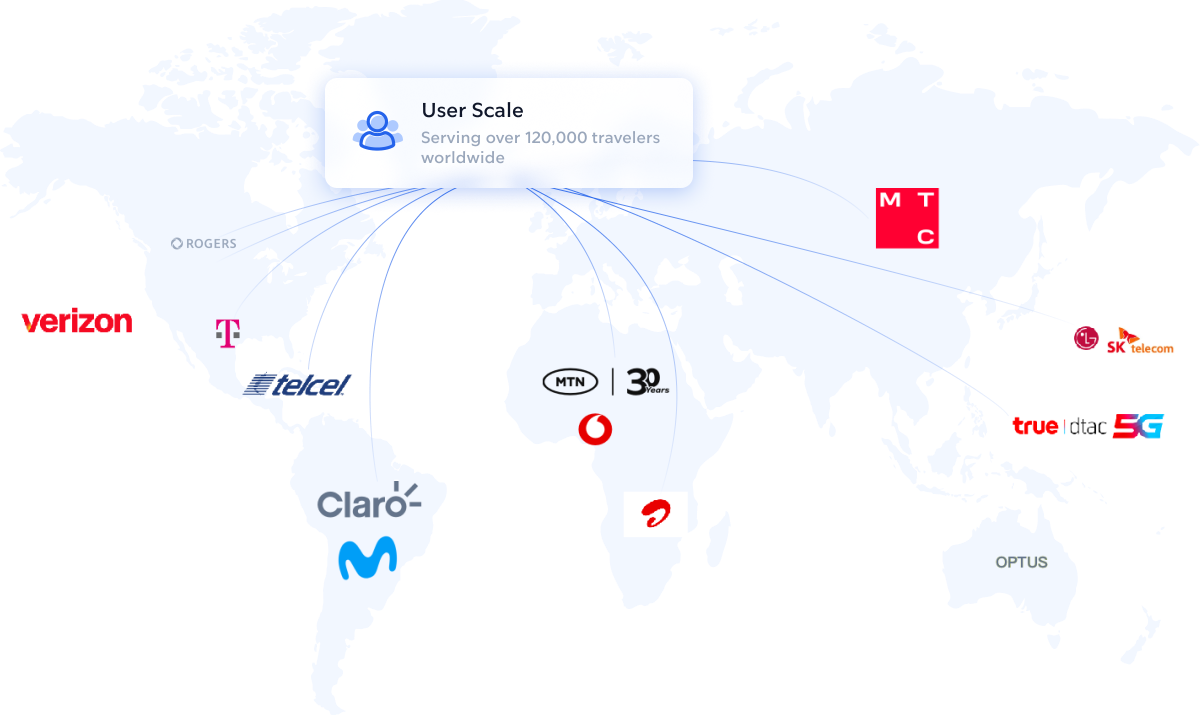
Cinqstella teams with carriers, connectivity platforms, and certificate authorities to cover the weak spots: profile signing, carrier acceptance, and regional SSA requirements. They also maintain sandbox carriers for integration testing—so your staging behaves like production. This reduces surprises at launch and lowers mean time to recovery when issues happen. — It’s pragmatic. It’s necessary.
Checklist for product teams before launch
Use this checklist to align stakeholders and partners:
- Confirm carrier acceptance criteria and supported profile formats (eUICC profiles, SM-DP+, SM-DS).
- Run end-to-end activation tests on target devices and networks.
- Document rollback, refund, and profile revoke flows for customer support.
- Validate OTA provisioning under constrained network conditions.
- Ensure privacy and data residency requirements are met for target markets.
Three golden rules for selecting the right eSIM partner
1) Reliability over bells: measure historical activation success and SLA for profile delivery. 2) Integration first: prefer partners that provide clear APIs, sandboxing, and carrier mappings—less custom work for your engineers. 3) Local compliance and reach: choose partners with proven acceptance in your launch markets to avoid last-minute carrier rejections.
When you follow these rules, you translate connectivity strategy into predictable user experiences. For teams needing a pragmatic partner that ties these pieces together, Cinqstella often becomes the quiet backbone in the stack — a partner that keeps activations smooth, support calls low, and launches on schedule. —