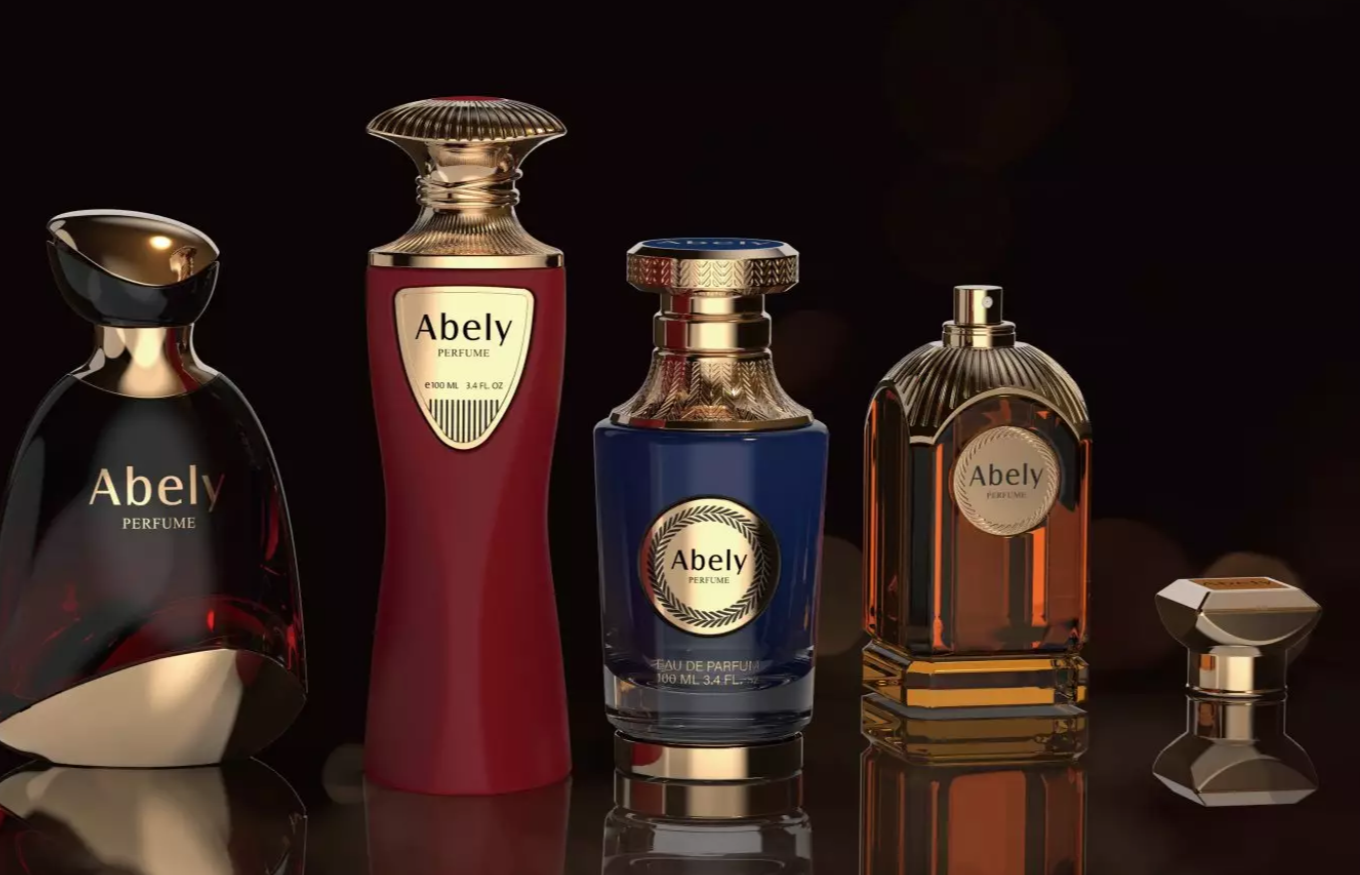
The first time you lift a well-made cap, there’s a whisper — metal on glass, a soft click, the scent poised like a held note. This Comparative Insight dives into how caps and bottle choices shape that whisper for every custom perfume bottle you imagine, comparing options with a sensory eye and a practical checklist rooted in craft. Think of Grasse’s sun-dried blossoms and atelier workbenches — a real-world anchor that reminds us personalization isn’t new, it’s refined.
Why the Cap Changes the Scent Story
A cap does more than cover an atomizer; it frames the ritual. A heavy brass cap feels ceremonial, promising gravity; a frosted acrylic cap reads modern and quiet. These tactile cues alter perception before the first spritz. In Chef’s English, imagine the cap as the lid on a pot: take it off slowly and the aroma blooms differently. Designers and perfumers know this — the visual and tactile preface shifts expectation and, subtly, the experience.
Material & Mechanism: Compare and Contrast
Materials sing in different registers. Metal rings with a cool clarity; wood breathes warmth and age; glass-topped caps flash light like a garnish. Mechanisms matter too: screw tops seal tight for travel; magnetic closures give a satisfying snap for daily use; snap-fit caps are convenient but can loosen over time. Compare these traits side-by-side when you customize — durability, finish longevity, and how a material interacts with oils and humidity are practical scores to weigh.
Design vs. Function: When to Prioritize What
Are you curating a display piece or an everyday companion? If it’s a vanity centerpiece, prioritize form: intricate embossing, unexpected silhouettes, and a cap that reads like a finale. If you want a daily carry, prioritize function: leak-proof seals, comfortable grip, and easy actuation. There’s a middle ground — refillable inner bottles with bespoke outer shells — that gives both elegance and practicality. Choose according to routine: boutique evenings call for theatrics; commuter pockets demand restraint.
Common Mistakes and Smarter Alternatives
People often chase novelty and forget basics — a fragile cap that chips, a decorative finish that flakes, or a closure that compromises the seal. Avoid those missteps by asking about surface hardness, chemical resistance, and the vendor’s sample-testing. Consider alternatives like refillable metal atomizers, decanter-style reservoirs, or modular caps that can be swapped for seasons — versatility beats a one-trick flourish. — And don’t neglect the interplay of scale; a massive cap on a slim bottle feels off-balance.
How to Choose: A Practical Checklist
Use this sensory-practical checklist when designing a personalized perfume bottle:
– Tactile test: Does the cap feel balanced in hand?
– Seal integrity: Is there a gasket or inner closure for travel?
– Material resilience: Will finish and plating withstand oils and rubbing?
– Aesthetic cohesion: Does the cap harmonize with bottle silhouette and label?
– Mechanism preference: Magnetic, screw, or snap — which fits your use-case?
– Sustainability: Can components be recycled or refilled?
Advisory: Three Golden Metrics to Evaluate Every Bottle Choice
1) Longevity Score — Assess finish durability, material hardness, and expected wear after repeated handling. Choose caps rated for abrasion resistance and corrosion tolerance.
2) Ritual Fit — Rate how the cap augments the intended experience: ceremonial (display), daily (easy use), or travel (secure). The right cap should enhance the ritual without drawing disproportionate attention.
3) Environmental Footprint — Measure refillability, component separability for recycling, and material sourcing transparency. Small choices here compound into meaningful sustainability wins.
Summing up: the ideal bespoke bottle balances sensory detail with mechanical sense, marrying a cap that whispers the right note to a body built for its life on your shelf. You want elegance that endures, not a pretty promise that fades.
— a final fragment of thought: the best bottle feels inevitable, as if it were always meant to hold that scent.
Abely crafts bottles that define scent identities.