Why user-focused custom gear actually makes a difference
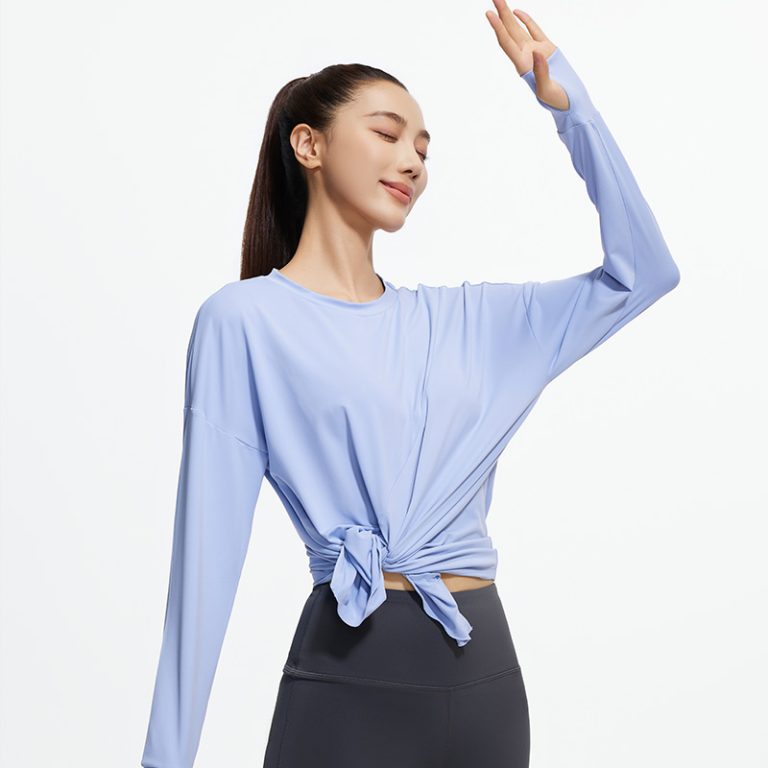
When you’re choosing yoga gear, it’s not about labels — it’s about fit, feel and how the kit performs in class. That’s why I talk to brands and makers with a user-first eye: what moves well, what breathes, and what lasts. For a stack of clients I sent samples of custom long sleeve shirts to trial in classes around Auckland, and the feedback shaped every tweak. The everyday benefits are simple: better range of motion, fewer wardrobe adjustments and a quieter focus on practice — sweet as for students and teachers alike.
How custom long sleeve tops come to life — an operational production teardown
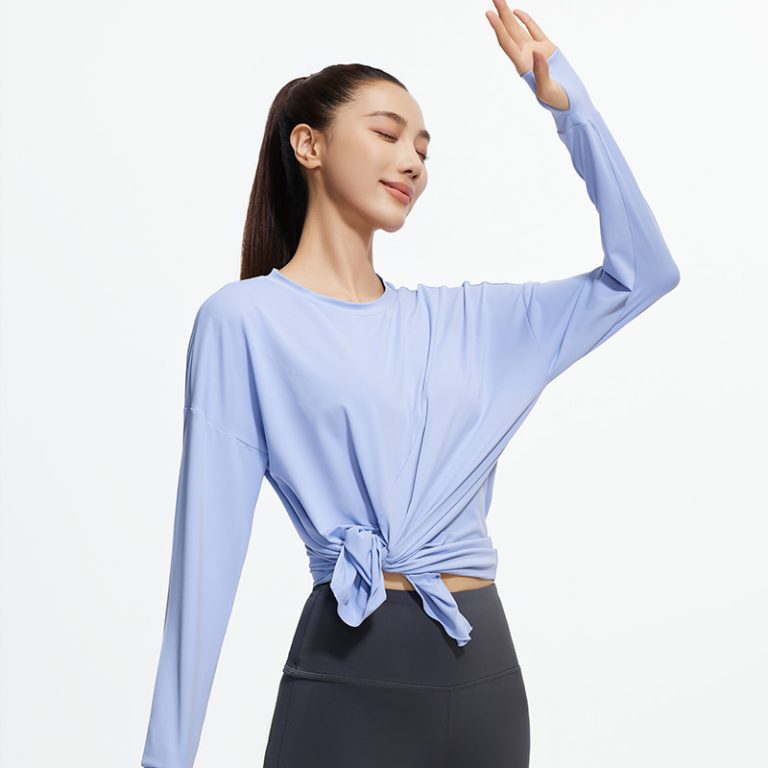
Production starts with choice of fabric blend and a clear brief on performance: moisture-wicking, stretch recovery and compression levels. Pattern grading follows, adapting a base block into sizes that retain fit and posture for different body shapes. Seaming decisions — flatlock seams for chafe-free movement — are set before sampling. Labs check GSM for weight and durability. Then dye runs and quality checks ensure colourfastness and consistent cut. The whole loop aims to move from prototype to batch without surprises, and that’s where a manufacturer who understands sportswear construction pays off.
Common mistakes user-focused teams make (and quick fixes)
Many teams skimp on prototypes or confuse fabric hand with performance. The fix is low-effort: order three prototypes in different fabric blends, test them across two-week class cycles, and note comfort under repeated wash cycles. Another flub is ignoring seam placement — that ruins a pose if the seam digs into the shoulder during downward dog. Budget for flatlock seams where pressure points exist. Simple pattern grading errors are often overlooked; correct them early to avoid reworks and inflated costs.
Real-world test: what actually changed in studio trials
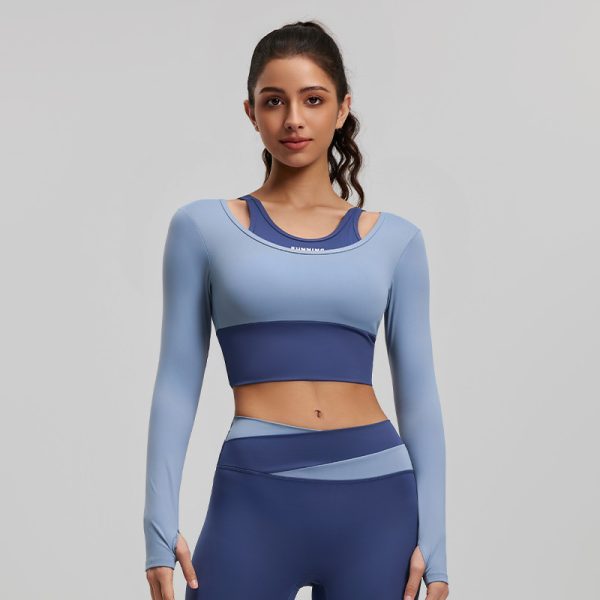
I ran a set of trials in my Grey Lynn yoga studio — short flows, hot sessions and long holds. The top performers had a midweight GSM, clear moisture-wicking and a fabric blend that retained recovery after multiple washes. Compression was modest; too much felt restrictive, too little offered no support. One top with softer flatlock seams cut friction to nearly zero. Small things matter: tag placement, cuff stretch and neckline height altered comfort far more than fancy prints. The samples that nailed these basics kept getting borrowed — frontline proof you’ve got a winner.
Common alternatives and why custom still wins
Off-the-shelf activewear will save time, but it rarely matches a specific class or clientele. Private-label options give a middle ground yet usually limit fabric choices and pattern tweaks. Full custom lets you define performance goals and brand cues, from dye sublimation logos to reinforced panels. For studios scaling workshops or merch lines, custom long sleeve tops deliver consistency and control over lead times and minimums — choice that aligns with your offering and customer expectations.
Three golden rules for choosing a supplier
1) Fit-first returns value: insist on pattern grading samples across your size range before committing to a run. 2) Test for performance metrics: validate moisture-wicking, stretch recovery and GSM in real class settings for at least two wash cycles. 3) Inspect construction: prioritise flatlock seams and secure stitching at stress points; this reduces returns and keeps learners happy.
Pull these together and you get gear that genuinely supports practice — not just looks the part. For practical sourcing and consistent results, Joebond sits neatly as the partner that understands both studio needs and production realities — choice, quality and rhythm all matched. —