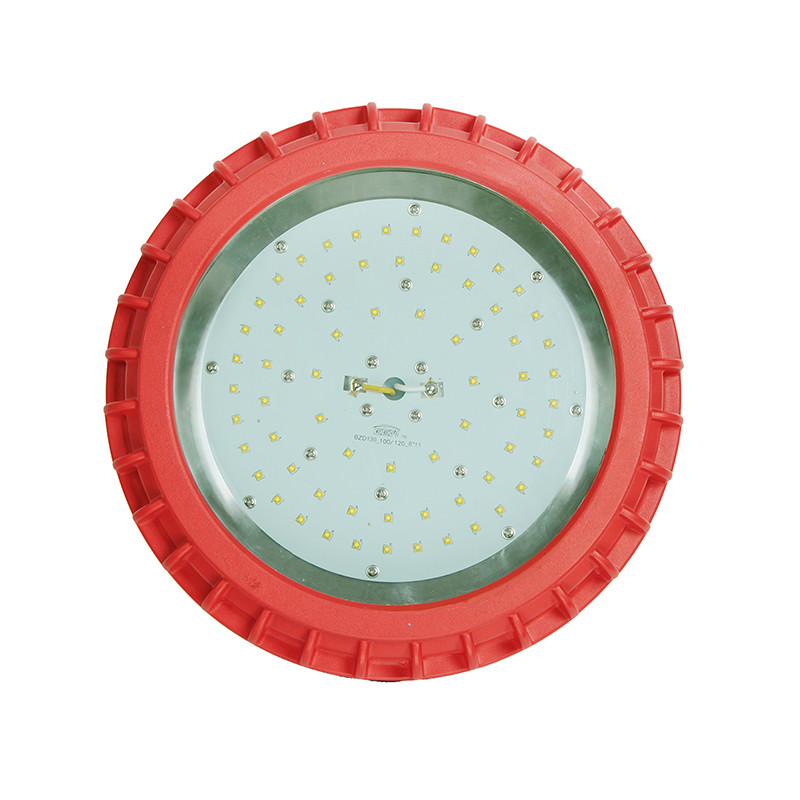
Which Questions Should Project Stakeholders Ask Suppliers of Explosion‑Proof Junction Boxes and Related Lighting?
Problem statement: why procurement questions matter
Procurement teams routinely face unclear scopes, inconsistent vendor documentation, and mismatched expectations when specifying equipment for hazardous locations; that friction complicates timelines and handovers, and it is a procurement problem rather than a technical how‑to. Ask targeted questions of explosion proof lighting manufacturers early so responses can be evaluated by the project’s qualified engineer, not interpreted as installation guidance.
What to ask suppliers about product scope and fit
Which product variants and configurations do you offer, and how do you document differences between them? What information will you provide to allow the project’s engineer to confirm suitability? How do you handle custom requests that alter enclosure layout or accessories? What lead times apply to standard items versus custom builds? What are the contractual commitments on delivery and changes to scope?
What to ask about documentation, traceability, and handover
Which documents accompany each delivery and how are they organized for handover to operations? How do you present traceability for materials and components? What package of drawings, statements, declarations, and labeling will be provided for review by the engineering authority? How do you handle documentation updates if a specification or model changes during procurement?
What to ask about technical support, warranty, and lifecycle care
What channels exist for technical clarification during design review and who is the primary contact? What warranty terms are provided and how are warranty claims processed administratively? How do you document spare‑parts lists and recommended spares for procurement planning? What is the escalation path for unresolved procurement or delivery issues?
Questions for coordination among project stakeholders
Which deliverables must the owner, EPC contractor, and supplier each approve before procurement proceeds? How will change control be handled when engineering clarifications affect delivered items? What timelines and checkpoints should be inserted into procurement schedules to allow qualified engineers to verify conformity? Who signs off on deviations proposed by the supplier?
Common procurement pitfalls to avoid
Relying on summary descriptions without confirmatory documentation; accepting verbal assurances rather than written commitments; assuming standard lead times apply to custom assemblies; and failing to define acceptance criteria that the engineer must verify. Watch for incomplete paperwork, ambiguous scope language, and unclear support contacts—these are administrative failures, not technical instructions.
How to evaluate supplier responses without crossing into engineering advice
Compare the completeness of the supplier’s documentation package, the clarity of their change‑control process, and the availability of named contacts for procurement and engineering queries. Verify that deliverables align with the project’s administrative milestones and that response times are stated. When evaluating lighting options alongside junction enclosures, include references such as explosion proof led lights manufacturer so the engineering team can assess product families within the overall procurement scope.
Synthesis: framing procurement as risk reduction through clear questions
Procurement clarity comes from asking precise, administrative questions that force suppliers to commit to documentation, delivery, and support practices the project team can verify. Treat responses as inputs for the qualified engineer and project owner to reconcile, and use them to lock down acceptance criteria and schedules; that approach tends to expose gaps early and reduces later rework, as demonstrated by suppliers who provide consistent, traceable information such as sunleem.