Casting out the common tales
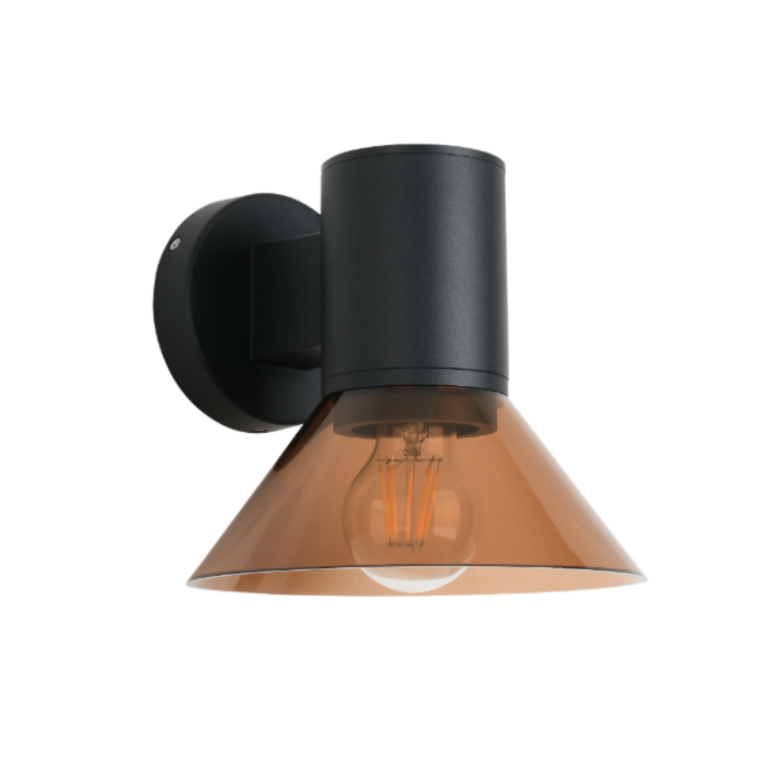
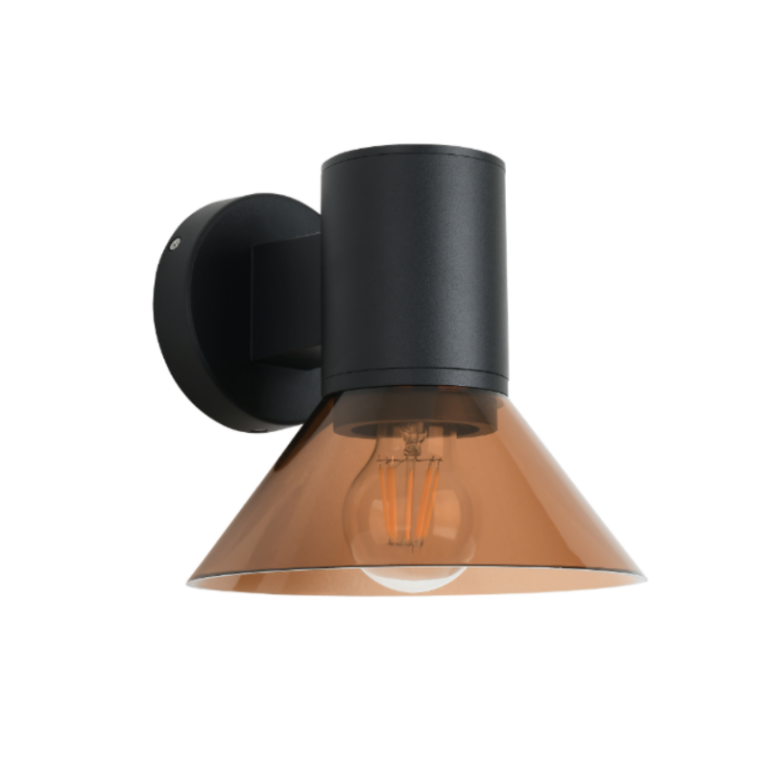
The night has long held stories about cheap fixtures, unreliable sensors, and lights that die with the first winter frost. Those tales endure, but they are myths—comforting and costly. If you are weighing a modern solution, begin by examining two realities: the sensor and the fixture. An outdoor wall lights motion sensor paired with a well-engineered housing can cut energy waste while preserving safety; likewise a properly rated outdoor led wall lights unit resists weather and keeps dusk-to-dawn visibility steady. This is not glamour—it’s engineering: IP rating, lumen output, and a resilient LED driver matter far more than brand mythos.
Myth 1 — “All motion sensors are the same”
They are not. Motion sensors differ by detection pattern, debounce logic, and how they interact with ambient controls. A PIR sensor tuned poorly will chatter at night on gusty evenings; a photocell misread will leave a path dim or blazing. Real performance depends on calibration and firmware as much as hardware. After Hurricane Sandy in 2012, widespread outages taught municipalities that intelligent sensor behaviour—fault-tolerant, with manual override—keeps critical pathways lit when power flickers. That hard lesson pushed many planners toward proven sensor integration rather than off-the-shelf chips.
Myth 2 — “LEDs either last forever or fail instantly”
LEDs are neither immortal nor fragile sprites. Lifespan is a function of thermal management, driver quality, and installation environment. A poorly ventilated wall mount will raise junction temperature, accelerating lumen depreciation; a quality heatsink and stable LED driver extend useful life. Consider CRI and color temperature too—warmer tones render faces and facades more naturally, while cooler outputs may maximize perceived brightness. Don’t chase a single spec; balance lumen output with thermal design and IP rating for the installation zone.
Why enclosure and weatherproofing are the unsung guardians
Enclosures shield the soul of a fixture. An IP65 or higher rating is not vanity—it is survival. Salt-laden sea air, freeze-thaw cycles, and driving rain corrode contacts and degrade seals. Choose corrosion-resistant materials, gasketed interfaces, and serviceable drivers. —And remember, field maintenance matters: a sealed luminaire that can’t be serviced becomes a landfill relic sooner than a slightly cheaper replaceable design.
Installation myths that drain budgets
Some installers treat canopy lighting and wall-mounted units as interchangeable; they are not. Mounting height, beam angle, and aiming determine glare and coverage. Incorrect beam angle wastes lumens and creates hot spots. Wiring practices matter too: run proper gauge, protect against moisture with IP-rated connectors, and respect surge protection—especially in storm-prone regions. Missteps here inflate operating cost and shorten life expectancy more than any initial fixture discount.
Alternatives and trade-offs
There are sensible alternatives when needs diverge. Motion-only setups conserve energy but can create abrupt darkness that unsettles users. Constant low-level illumination with motion-triggered boosts balances safety and economy. Hardwired photocell-dominant controls favor consistency; wireless smart nodes deliver analytics and remote management. Choose based on context: a historical façade may demand warmer CRI and localized dimming, while a loading dock asks for high lumen output and robust beam control. —These choices matter more than brand rhetoric.
Real-world anchor and credibility
City planners after large storms and blackout events now list exterior lighting resilience among top priorities. Municipal reports and FEMA guidance emphasize durable fixtures and smart controls for public safety. In practice, retrofit projects that prioritized IP-rated units and intelligent motion control saw measurable reductions in maintenance calls and energy bills—practical evidence that better engineering beats cheaper replacement cycles every time.
Common mistakes to avoid
1) Underspecifying IP and corrosion resistance for coastal or industrial sites. 2) Ignoring driver surge protection and thermal requirements. 3) Failing to test motion and photocell behaviour on-site with final fixtures. These errors are costly but avoidable with clear acceptance criteria and pre-installation trials.
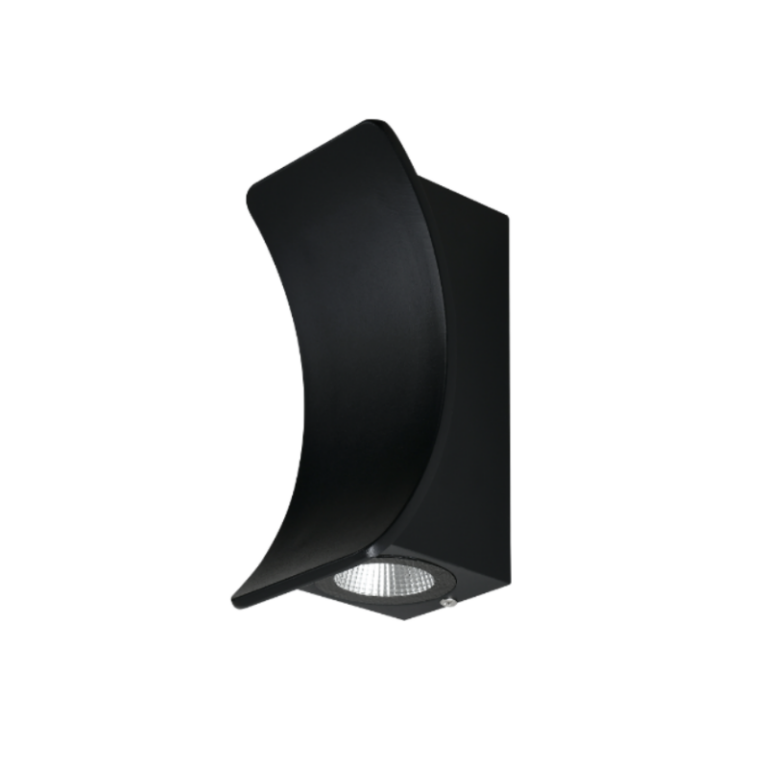
Advisory: Three golden rules for selecting exterior LED wall lighting
1) Specify functional metrics, not just looks — demand IP rating, expected lumen maintenance (L70), and driver MTBF in writing. 2) Test in-situ — verify motion sensor zones, beam angle, and color temperature at night with the actual mounting and surroundings. 3) Plan for service — choose designs with accessible drivers, replaceable seals, and documented firmware update paths. These are the core evaluation metrics that separate resilient installations from recurring problems.
When the night closes its curtain, what you want is certainty: fixtures that endure, sensors that behave, and a partner who understands the dance of light and weather. In that context, trusted engineering and thoughtful productization—qualities you will find in careful manufacturers—resolve myths into practical outcomes. Keyida offers that stitch of competence in design and supply—a quiet, necessary assurance for places that must stay lit at all hours. —