
Introduction: A Quiet Moment, a Loud Choice
Have you ever stood in a workshop and felt the odd hush before a machine springs to life—then wondered if you picked the right part?
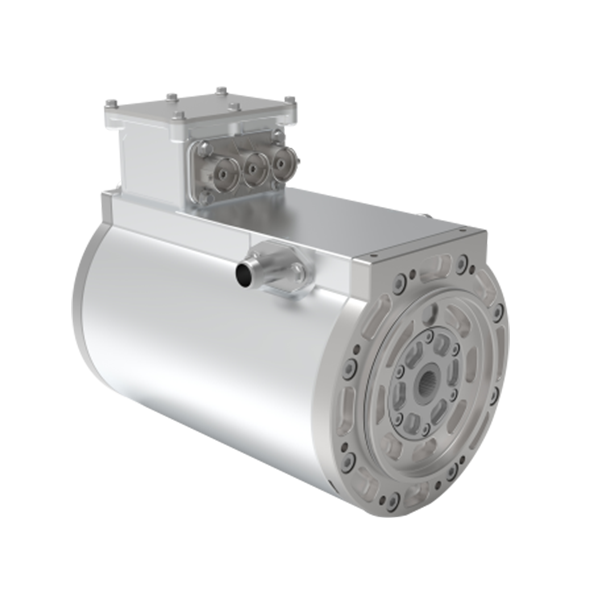
An electric motor sits at the heart of that question: it turns plans into motion, quietly and with force. I’ve watched small motors fail in big ways—overheated, humming, then dead—and those moments taught me to look harder at simple specs. Data shows many replacements happen within two years because of mismatched torque, poor cooling, or wrong control methods (yes, those small words matter). So what should we check first—cost, size, or how it actually behaves under load?
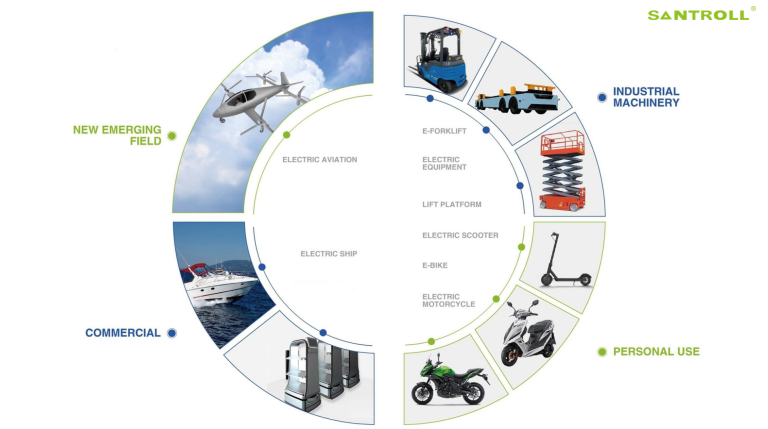
I want to walk you through this with plain talk and a few hard facts. Expect short lessons, a touch of feeling (I care about reliability), and practical tips that save time and money. Ready? Let’s move from that hush to clear steps.
Deeper Layer: Where Common Fixes Miss the Mark
When engineers and hobbyists talk about a brushless motor, they often praise its smooth run and low maintenance. Yet the standard fixes—bigger size, more cooling, or a pricier controller—don’t always fix the root problem. I’ve seen suppliers push higher RPM models when the real issue was torque ripple or poor commutation setup. That’s frustrating. Look, it’s simpler than you think: choose the motor that matches the load profile, not the sale pitch.
Why do common solutions fail?
Here are the usual blind spots. First, people under-spec torque and over-rely on peak ratings instead of continuous torque. Second, they ignore control electronics—PWM settings and Hall sensor alignment matter. Third, heat paths from the rotor to the stator are often assumed adequate but aren’t. These add up to noisy operation, heat build-up, and premature wear—so the motor dies early. — funny how that works, right? I prefer to test under real conditions and measure back-EMF and current draw before finalizing a choice.
Looking Forward: Case Outlook and Practical Benchmarks
In projects I follow, new builds increasingly pair smart drives with robust hardware. When we compare systems, those using better inverter designs and tuned controllers last longer and run quieter. For instance, a small lab retrofit replaced a worn unit with one that had optimized power converters and a tuned controller—downtime dropped by half. That was satisfying to see. We should ask: what happens if we standardize testing across our builds?
What’s Next for selection and testing?
Here’s a short outlook. First, run a basic duty-cycle test. Next, review controller compatibility and confirm thermal paths. Then, scale the test—simulate a week of real work (not just a quick spin). These steps reveal issues early and prevent repeated fixes—so you save time and keep people calm. Also—surprisingly—it helps teams plan spare parts better.
Three Simple Metrics I Use When Evaluating Motors
I’ll leave you with three practical metrics we use in the field: continuous torque under load, thermal rise over time, and controller compatibility (PWM strategy and sensor type). Measure torque with the actual load. Track temperature for an hour, not a minute. Confirm the controller matches the motor’s commutation and Hall sensor layout—mismatch equals wasted hours. Use these checks and you’ll avoid the usual headaches.
Finally, if you want a reliable partner or parts, I’ve had good experiences with suppliers who back test data and give clear specs—trust, but verify. For gear and parts, consider exploring Santroll for options and details: Santroll.
