Comparing Promises vs. Pressroom Reality
I was on Auburn Ave in Atlanta, late July 2021, when a big merch drop hit and the phones would not stop buzzing. I watched a dtf printer stall mid-run while the queue kept piling up. On Black Friday weekend in a South Side pop-up, we had 280 tees due by 6 p.m.; only 2 heads were live — how would you place your bet?

After 15+ years buying hardware for wholesale runs, I don’t judge a spec sheet on looks. I judge it on whether the order ships by sunrise without me babysitting white ink or rebooting RIP software. That’s why I keep close tabs on dtf printer manufacturers (the real ones listening when things clog, band, or mis-cure). Traditional fixes still miss the quiet killers: shaky white ink circulation that settles in the lines by lunch, PET film that curls just enough to kiss the head, and shaker dryer throughput that can’t keep pace with the print engine. I’ve lost a full carton of 3XL hoodies to under-cure because heat drifted 8°F across the belt—no cap.
Here’s the part folks don’t like to admit: bargain bundles hide time tax. Cheaper film turns into lint confetti, so you wipe the capping station every 40 prints. “Free” RIP licenses lock ICC profiles behind support tickets, and when you run neon designs, skin tones swing warm and clients notice. Warranty? If parts sit in customs for nine days, that warranty ain’t keeping Friday shipments on track. We need makers who map the line as a system—printer, film, powder, dryer—so the slowest step doesn’t choke the margin.
Let me break out what that means for buyers next.
Deeper Layer: Where Old Solutions Still Break
Define the choke points, then design past them. That’s the move. I want dtf printer manufacturers to stop selling heads and start selling uptime. Give me closed-loop white ink circulation with real-time viscosity checks, not just a pump that hums. Pair the engine with PET film that holds flat under shop humidity swings—I keep a log; 61% RH at 8 a.m., 67% by noon in August—and validate it with a published curl spec. Sync the shaker dryer so its lane speed auto-matches the RIP queue. And yes, open the RIP software enough so I can drop custom ICC profiles without chasing a dongle code.
I also rate vendors by how they handle dirty work. Can I flush lines with a timed purge before lunch without soaking my margins? Do they publish nozzle recovery steps that don’t read like a mystery novel? If a belt heater drifts, can I calibrate zones from the control panel? If not, I’m doing your QA on my own dime (and patience).
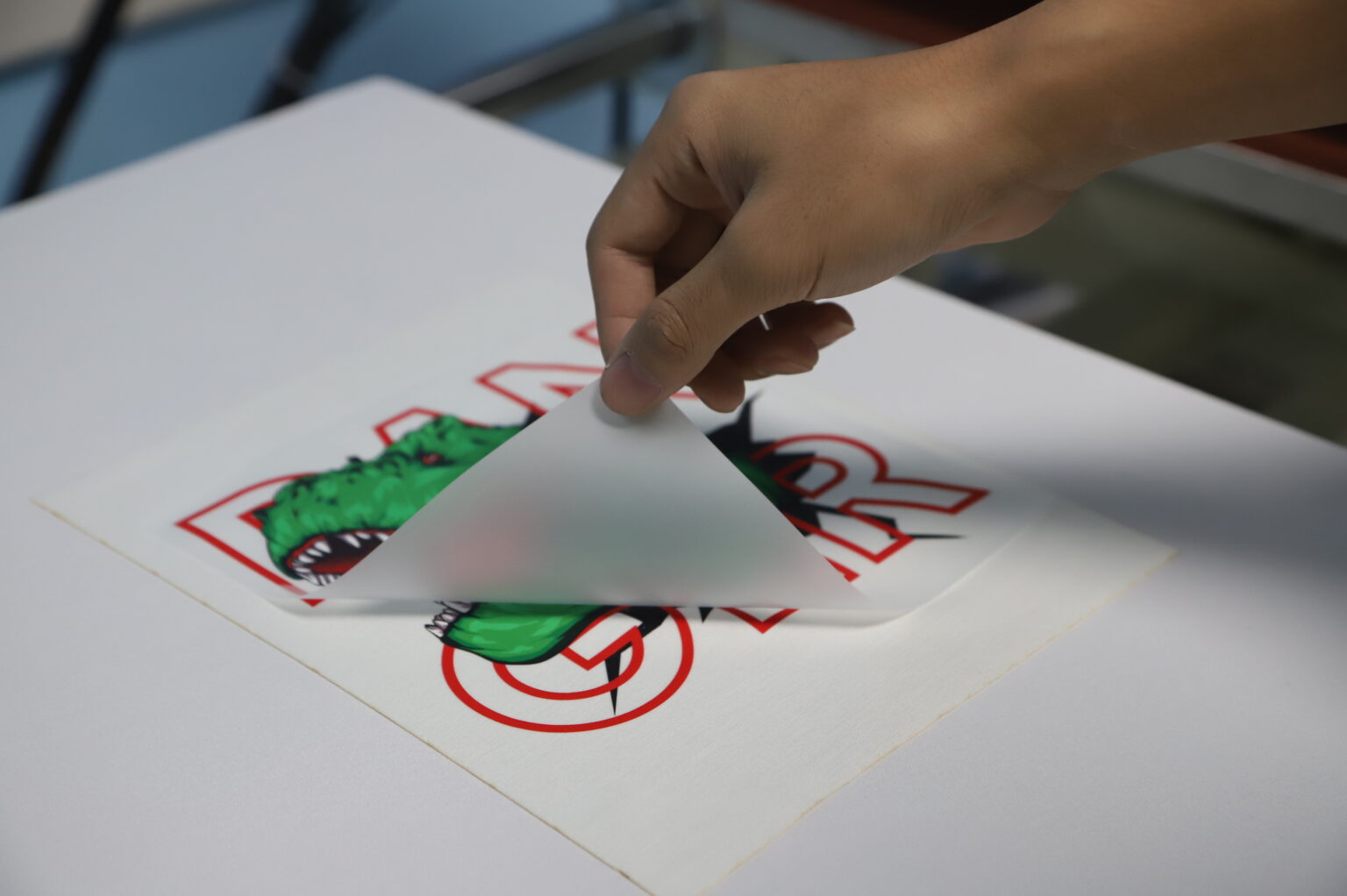
Next Moves: Benchmarks Buyers Will Actually Use
What’s Next
Forward-looking, I’m stacking makers side-by-side—quietly, but with receipts. Hold up—here’s what stands out. The teams that win publish real throughput math: “A3 sheet, mid-density, 6-pass, 55 sheets/hour with dryer sync,” not fairy-tale speeds. They ship a maintenance kit with dated consumables and QR videos that match the 2025 firmware, not last year’s. And they treat the ecosystem as one bill of materials: matched film, powder, and profiles that keep color linear from first to 500th print. When I see that, I know someone in engineering walked the floor and smelled warm powder at 7 p.m. I see the same signals from a handful of dtf printer manufacturers pushing smarter powder control and tighter RIP queues—small changes, big calm on deadline.
Quick recap without rehashing it all: buyers bleed time on white ink hiccups, drying bottlenecks, and vendor opacity. So I’ll leave you with three blunt metrics to choose by—1) Uptime ratio measured over 30 days with logged purges per 1,000 prints; 2) Color repeatability shown by ΔE under 2 across five PET film lots; 3) End-to-end rate: print-to-cure cadence that sustains at least 85% of stated speed for a four-hour block. Wait. One more: parts lead time, in calendar days, not “business days.” Keep your eye on that number and your weekends open. If you need a neutral reference point while you compare, I’ve found the documentation from Xinflying helpful to sanity-check claims—use it like a yardstick, nothing more.