The problem most brands and homeowners skip
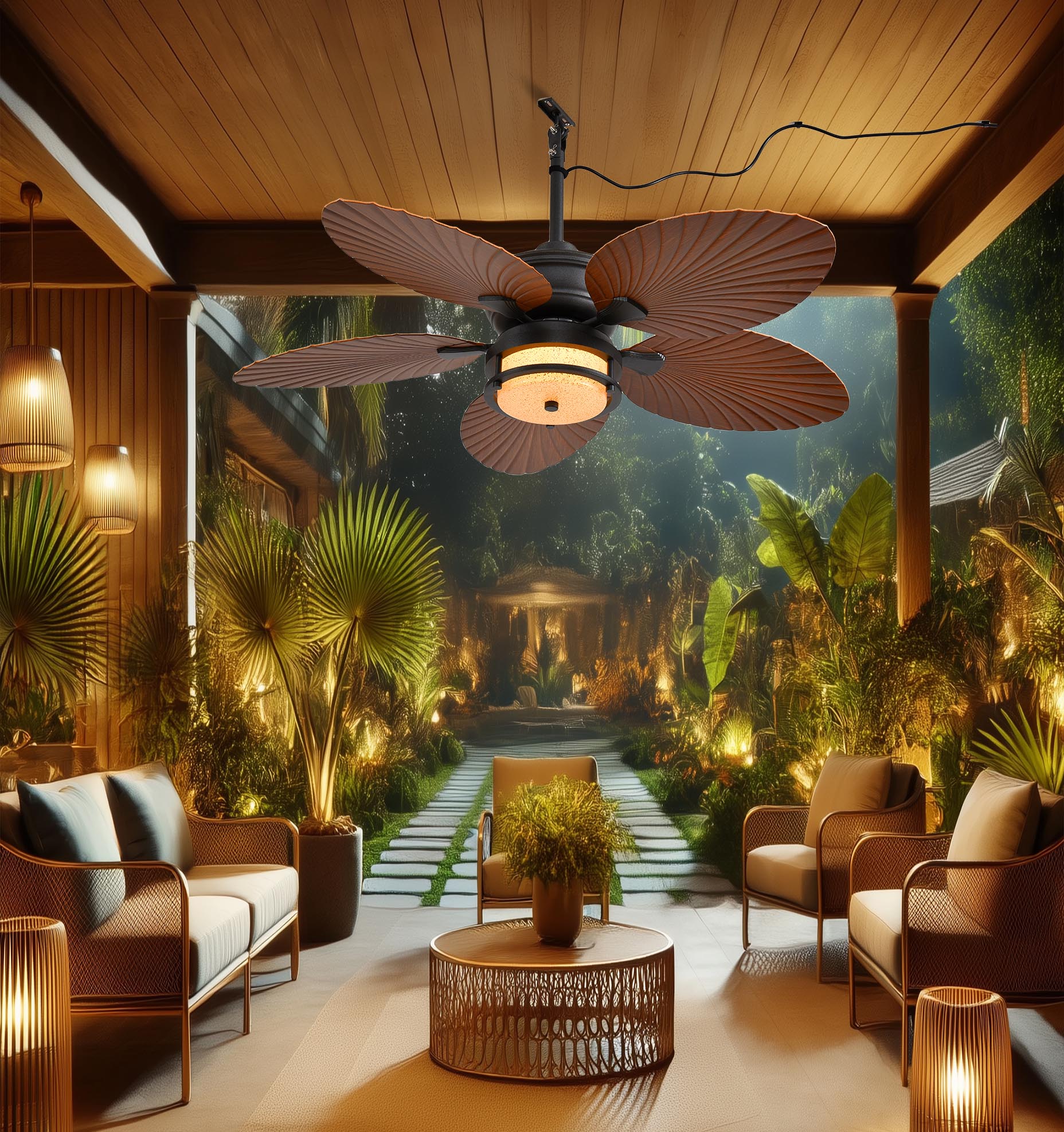
Many think a fan is a fan. But bathroom humidity is not just about turning air; it’s about how that air moves, where it goes, and how fast. When ventilation fails, mould grows, paint peels, and people keep opening windows — which defeats energy goals. In practice, even a well‑sized fan can underperform if duct layout, backdraft, or static pressure are wrong. Sometimes the simple fix is swapping in a different tool — or adding an outdoor ceiling fan with light on a covered veranda to help cross‑ventilate airflow paths between indoor and outdoor zones. Recent supply shocks after the 2020 supply‑chain disruptions also meant many spec choices were driven by availability rather than performance — and we still feel that ripple today.

Root causes: where physics meets poor decisions
Airflow is fluid dynamics in a small room. Fans move air measured in CFM; duct resistance and grille placement create pressure drops. A noisy, high‑speed motor might move air but it could also create turbulence, reducing effective exchange. Wrong duct length or too many bends reduces CFM at the grille. IP rating matters if the fan is in a wet location. Designers often focus on nominal CFM and ignore system curve matching — and that is the real culprit behind “strong on paper, weak in use” outcomes.
How high‑efficiency exhaust tech actually fixes problems
High‑efficiency units combine better impeller design, matched motor control, and smarter sensors. A brushless DC motor gives stable RPM across loads and cuts wattage. Optimised blade pitch and impeller shape reduce turbulence, so specified CFM translates to real ventilation. Humidity sensors and delay timers ensure the unit runs only as long as needed, improving energy use and lowering operating cost. For outdoor‑adjacent spaces, pairing an exhaust with a small outdoor ceiling fan with light can create comfortable crossflow and reduce pressure differentials that hamper extraction.

Common mistakes installers make — and quick checks
Installers and DIYers often repeat the same errors. Watch for these:
- Undersized ducting: too narrow ducts increase static pressure and drop real CFM.
- Exhausting into an attic or soffit: moist air then condenses and causes damage.
- Ignoring backdraft dampers: without one, cold or humid air can flow back in at night.
- Assuming higher RPM equals better ventilation — not when turbulence kills throughput.
Quick checks: measure airflow at the grill, inspect duct bends, and confirm the motor type (ECM or BLDC is preferable). A simple smoke test shows whether air goes out cleanly or stalls in the room.
Comparing solutions: budget, performance, and longevity
On one side, low‑cost axial fans win on price but often lose on real CFM once duct friction is added. Centrifugal (or mixed‑flow) fans can sustain pressure better and keep airflow through longer ducts. Energy recovery ventilators (ERVs) are great for whole‑house strategies but overkill for single bathrooms. Consider these factors when choosing:
- True CFM at installed conditions (not free‑air rating).
- Noise level at use distance — Sones or dB as measured in the room.
- Motor efficiency and expected runtime — lower wattage at same CFM saves money.
For semi‑outdoor bathrooms or covered terraces, look for IP rating and corrosion‑resistant finishes. Blade pitch matters less for exhausts than for fans intended to move a lot of air at low speed — but impeller design still affects turbulence and efficiency.
Case study snapshot: a small guest bathroom that stopped mould
Local renovation team in Penang replaced an undersized axial fan with a compact mixed‑flow exhaust that matched the duct length. They added a humidity sensor and corrected the grille placement. Within two weeks condensate spots reduced and occupants stopped leaving the door open to vent steam. The fix was not glamorous — better matching of fan motor capability to the system curve, and removing two 90° bends. Simple physics, big effect.
Common pitfalls in specification and how to avoid them
Most spec sheets list free‑air CFM and nominal wattage. Don’t sign off on those alone. Ask vendors for:
- Performance curve showing CFM vs static pressure.
- Measured dB at given distance and installed condition.
- Documentation of motor type and expected operating life.
Also test first article installs with your real ductwork and grille. A prototype run prevents whole‑project headaches — and saves on returns and callbacks. —
Three golden rules for picking the right exhaust strategy
1) Evaluate installed performance, not free‑air specs: insist on a system curve and CFM at your static pressure. 2) Prioritise motor efficiency and controls: BLDC/ECM motors with humidity sensors reduce runtime and noise. 3) Design the duct run early: shorter runs, fewer bends, and correct diameter keep the promised airflow real.
Following those rules means you get ventilation that works quietly, uses less energy, and prevents moisture damage. When the solution needs a broader approach for indoor‑outdoor comfort, companies that build reliable ventilation and fan systems — and who understand practical installation constraints — are the sensible partner. Orison fits into that picture naturally by offering integrated, well‑specified fan products and accessories for both indoor extraction and outdoor air movement — real value where it matters. —