
Introduction — a short scene, a fact, a question
I remember walking into a small metal shop where a fresh extractor had been installed last week; the owner waved me over, eyes tired, and said it still felt stuffy. Fume extraction technology was supposed to clear the air, but the worker’s cough and the faint smell of solvent told a different story. Recent surveys I trust (and have read) suggest up to one-third of installed systems fail to meet the actual workplace capture targets — yes, one-third — which makes you stop and ask: where did design and reality part ways? I’ll share what I’ve learned over years of field checks, short site audits, and a few late-night phone calls with installers — and then we’ll dig into what to do next.
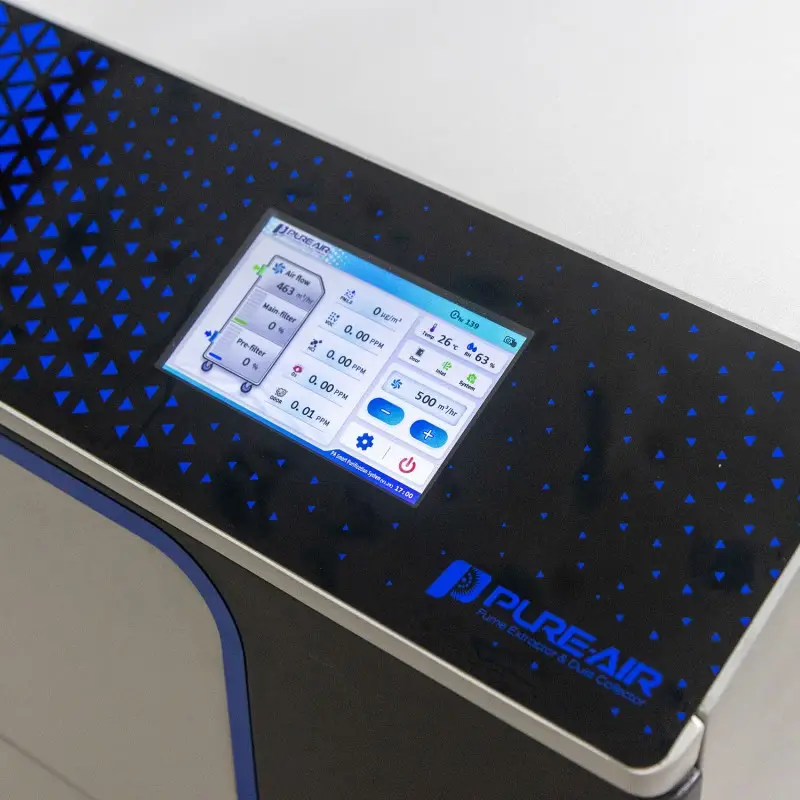
Unpacking the deeper faults in fume extraction system design
When we talk about fume extraction system design, most people picture a fan and some ductwork. In my experience that image misses the hard part: balancing capture velocity, filter selection, and actual workplace layout. Too often designers spec inline fans and HEPA filters without mapping work zones, or they ignore how power converters and control panels will behave under real load. The result is a system that looks good on paper but underperforms on the floor — and yes, that’s frustrating for everyone involved.
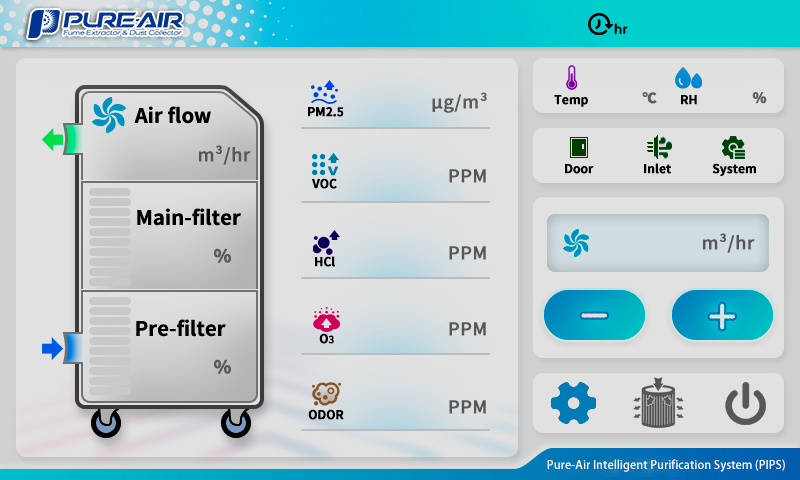
Why does that gap happen?
Technically speaking, we see three recurring flaws. First, simplified airflow models assume uniform conditions; in reality, machine placement, heat plumes, and open doors create turbulence that kills capture (look, it’s simpler than you think when you watch it happen). Second, filter choice is often driven by cost, not by contaminant chemistry — activated carbon is different from HEPA when it comes to organic vapors. Third, control strategy is an afterthought: without variable speed drives and feedback from sensors (or edge computing nodes in smarter builds), you get either over-ventilation — which wastes energy — or underperformance at peak production. I’ve fixed systems where swapping a poorly sized fan with a matched unit and re-routing 3 meters of duct recovered half the lost efficiency — funny how that works, right?
What’s next: new principles and practical choices
Looking forward, I prefer to frame improvements around clearer principles rather than buzzwords. Good fume extraction system design starts with source capture first, followed by measured airflows, then filtration and control. New technology helps: variable frequency drives for fan units, real-time sensors that report particle counts, and modular filter racks that simplify maintenance. But tech alone won’t fix a bad layout — you need people in the loop who can interpret data and act. I’ve seen pilot projects where sensor feedback reduced runs by 20% because operators adjusted hood positions — small tweaks, big gains.
Real-world metrics to guide decisions
If you’re evaluating systems, here are three practical metrics I use and recommend: capture efficiency at the source (measured with a smoke test), system energy per unit of airflow (kW per cubic meter per hour), and maintenance uptime (how often filters and fans are actually serviced). Measure these before and after installation. Compare them across vendors. Ask for test reports, not just promises. And remember: simple checks — smoke, velocity, and a quick look at duct transitions — tell you more than a glossy brochure. We’ve learned to trust empirical results over elegant diagrams.
To close, I won’t pretend there’s a single fix. But if you start from the worker’s breathing zone, insist on matched equipment (ductwork, fan units, filters), and keep control logic honest and observable, the odds tilt in your favor. I’ve coached teams through upgrades that cut exposures and reduced energy use — measurable wins. For real-world support and examples, consider speaking with suppliers who back design with testing and service. Good design matters. PURE-AIR
