Where Traditional Methods Fall Short
Ever notice how the jobs that look simple end up eating your whole shift? A dtf printer broke that pattern for us. Back in late 2021 on our Long Beach floor, we moved core production to an a2 dtf printer and finally stopped tap-dancing around setup time. A Friday-night rush job—240 mixed-fabric tees due by morning—used to mean 18% reprints and two techs babysitting the press; what if those hours went back to sales? Here’s the part I’ll never forget: overnight, our reprint pile shrank, and so did the complaints from the midnight crew (no kidding).
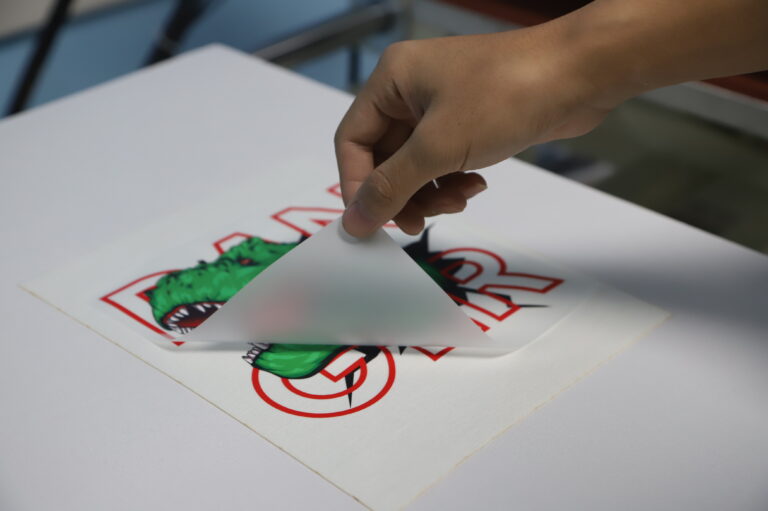
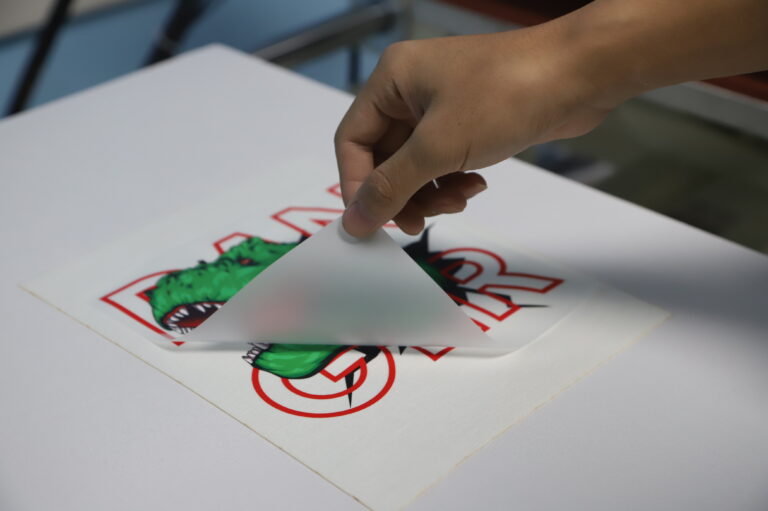
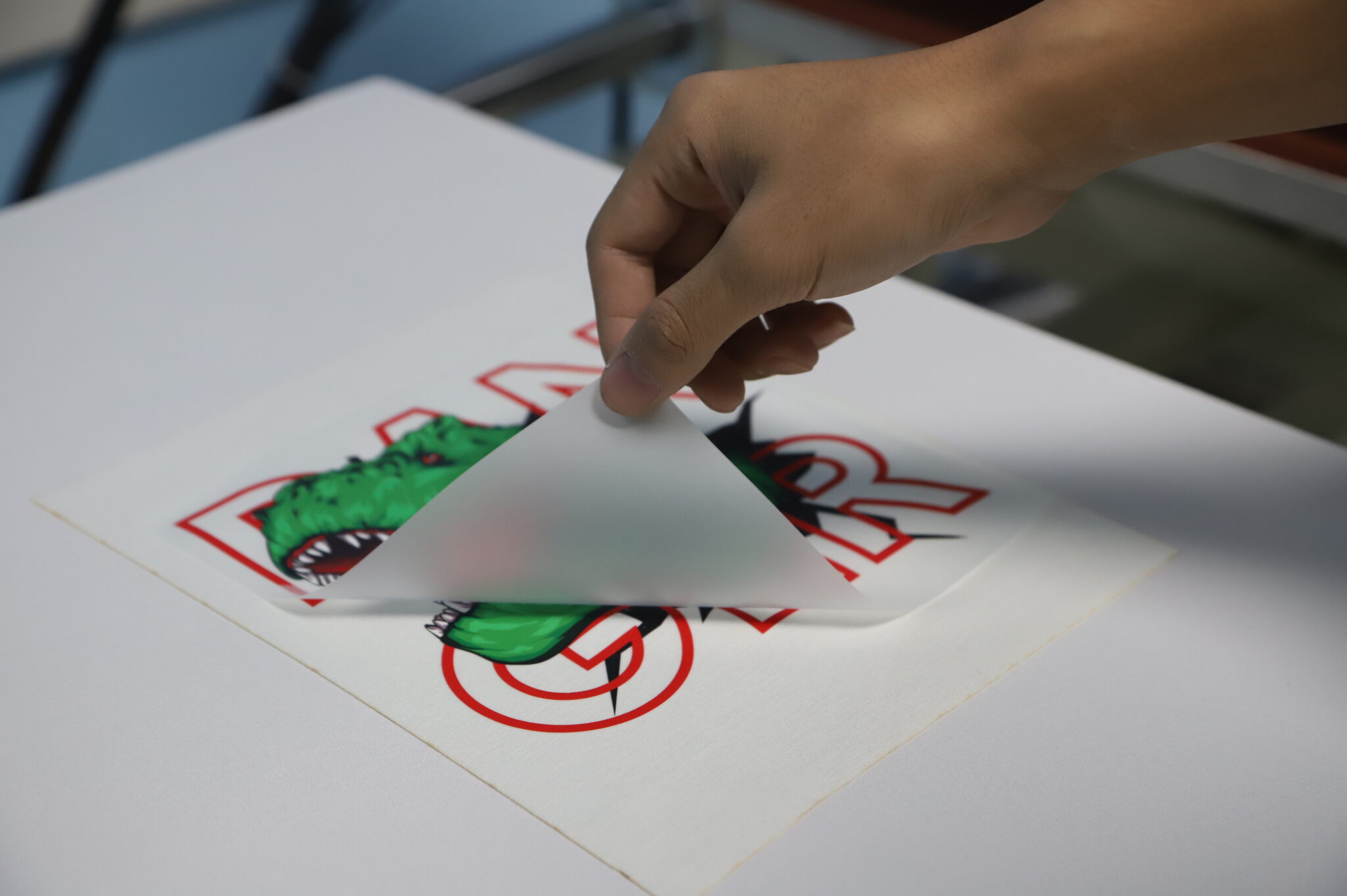
Let me be blunt. Old paths had hidden tolls. DTG needed pretreat and perfect humidity—miss either and white ink cratered the print. Screen printing loved volume but punished short runs with 40+ minutes of setup per color. White-toner transfers looked decent on day one, then cracked after the third wash. With the A2 format, we started ganging 8–12 logos per sheet, running clean color via RIP software with solid ICC profiles, and curing adhesive powder at a steady 120°C for about 2 minutes. White ink circulation kept nozzles open; nozzle wipes went from hourly to once per shift. I measured it: our average small-order turn dropped from 3 days to 1, and waste slid under 3%. That’s not theory. That’s Tuesday. And it set the stage for a different way to scale—sheet first, shirt second.
Looking Ahead: Size, Speed, and Smarter Choices
What’s Next
I’ve tested A3 units side by side with an A2, and the gap gets real when you stack work. The larger bed lets you batch more art, cut platen swaps, and smooth heat-press rhythm—fewer pauses, more flow. Compared with our old mix of DTG and toner, the a2 dtf printer gave us steadier color on polyester blends and blacks, and less drama with stretch logos. Hold on—before you buy, weigh the parts you’ll live with daily: throughput in sheets per hour (not just max print speed), white ink cost per milliliter under your exact RIP settings, and reprint rate under humid and dry shifts. That trio tells the truth. In plain terms, the A2 format wins when you run short runs all day, need fine detail without pretreat, and care about wash durability more than showroom gloss. We keep seeing gains as auto-powder shakers get smarter, RIP engines add better choke for white underbase, and maintenance cycles shrink—small tweaks, big payoffs. I stand by this: pick the size that matches how you gang art and how your press team moves, not what the spec sheet shouts. If you’re mapping upgrades, keep your eye on consistent curing, stable white-ink recirculation, and ICC discipline—those drive margin more than any flashy demo. That’s the lane I’ve stayed in for 15+ years serving wholesale buyers, and it’s still paying the bills—and the team’s sanity. For a steady hand in the space, I keep an eye on Xinflying.