
Introduction — a quick warm-up
I once watched a production line stop because a tiny coupling slipped — everyone stared like it was a heart attack. In my experience, an electric motor is often blamed when the real issue lives in control strategy, wiring, or mismatched gears (yes, wiring). Recent shop-floor checks I’ve done show that up to 20% of small- to mid-size downtimes trace back to avoidable configuration mistakes. So what can you actually do to cut that waste and keep machines running? Let’s get real — and get moving — because small fixes now mean big wins on the floor.
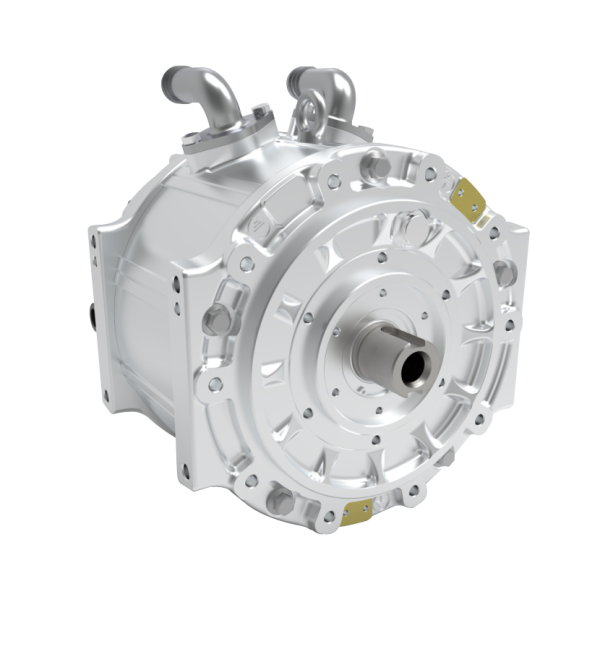
We’ll break this down step by step, no fluff. I’ll share what I see day to day, the drills I use, and the metrics I watch. Ready? Keep that energy — we’re heading into the technical side next.
Understanding the Real Pain: Why brushless motor Installations Still Trip Us Up
Short technical note: I want to be blunt — brushless designs are great, but the usual fixes often miss the root cause. In many installs, people assume a brushless motor solves everything: less maintenance, higher efficiency, smoother operation. But the mismatch between controller settings and the motor’s electrical characteristics creates issues like torque ripple and unexpected heat. I see it often: a perfect motor paired with a sloppy power converter setup. Look, it’s simpler than you think — but only if you tune and test properly.
Why do these problems happen?
First, traditional solutions lean on blanket presets. They don’t account for encoder resolution, commutation timing, or the field-oriented control loop gains you actually need. Second, installers underestimate the role of system-level diagnostics — no real-time feedback, no early warning. That means small misalignments grow into big downtime. I’ve learned to measure commutation offset, monitor torque ripple, and check thermal rise early. Those steps save hours and often the cost of a replacement motor — funny how that works, right?
Next Moves: Principles for Smarter Motor Systems and a Clear Buying Checklist
Now let’s shift forward. I want to outline practical principles that matter when you plan upgrades or new installs. Start with matching control architecture to the load profile. For many applications, a proper field-oriented control (FOC) implementation reduces torque ripple and improves low-speed torque. Also, consider how the motor communicates: does your setup need closed-loop encoder feedback or will open-loop suffice? Finally, think about power electronics — an efficient inverter and properly sized power converter change the whole result. I’m serious: those are the levers that move real performance.
What should you measure?
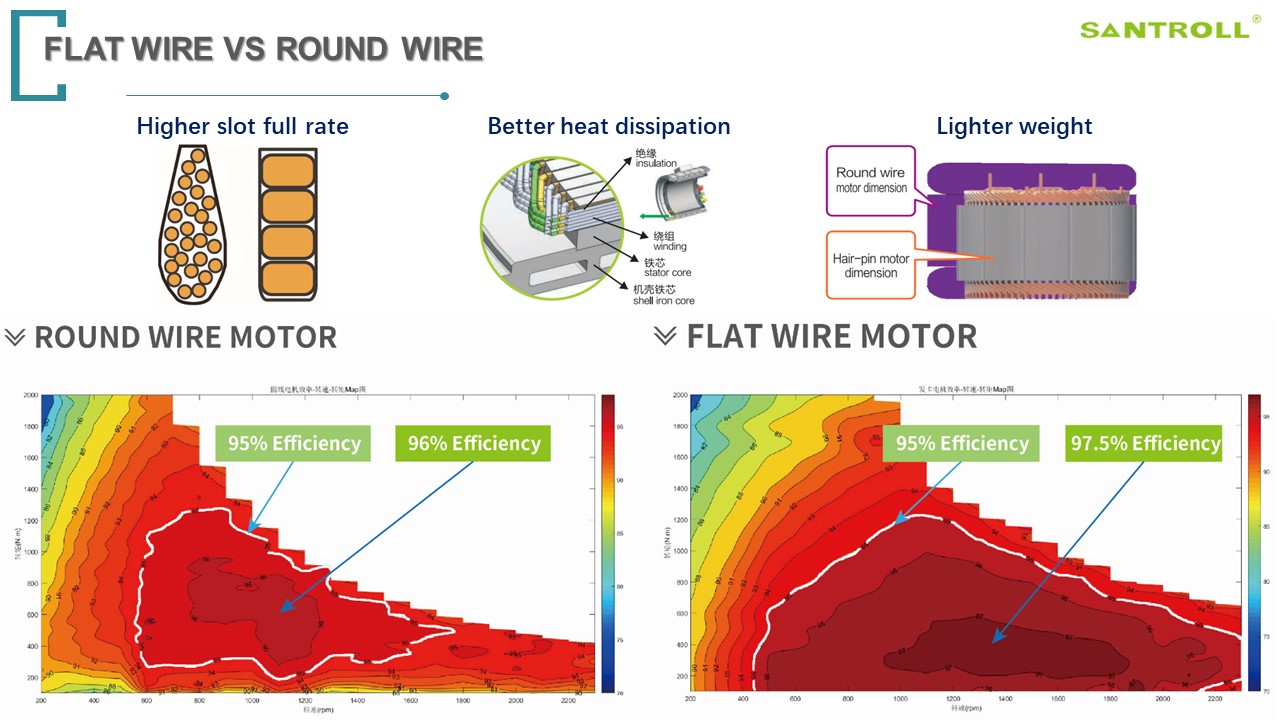
Here are three evaluation metrics I use when advising teams: 1) Effective torque stability — measure torque ripple under typical loads; 2) Thermal headroom — check steady-state temperature rise at rated current; 3) Control bandwidth — validate that your controller and encoder let you respond fast enough to load transients. Test each before signing off. If you want a practical device type to consider, a well-implemented permanent magnet synchronous motor often hits the balance of efficiency and control finesse — but only when paired with the right drive and commissioning plan. Weigh these metrics, run the tests, and you’ll cut surprise downtime.
To close, I’ll say this plainly: choose systems by measurable results, not by brochure claims. We’ve fixed stubborn line stops by focusing on those three points more than once — measurable wins, every time. For detailed parts and expert support, I often point teams to trusted suppliers like Santroll when they need components and engineering backup.
