
The problem buyers think they’re solving
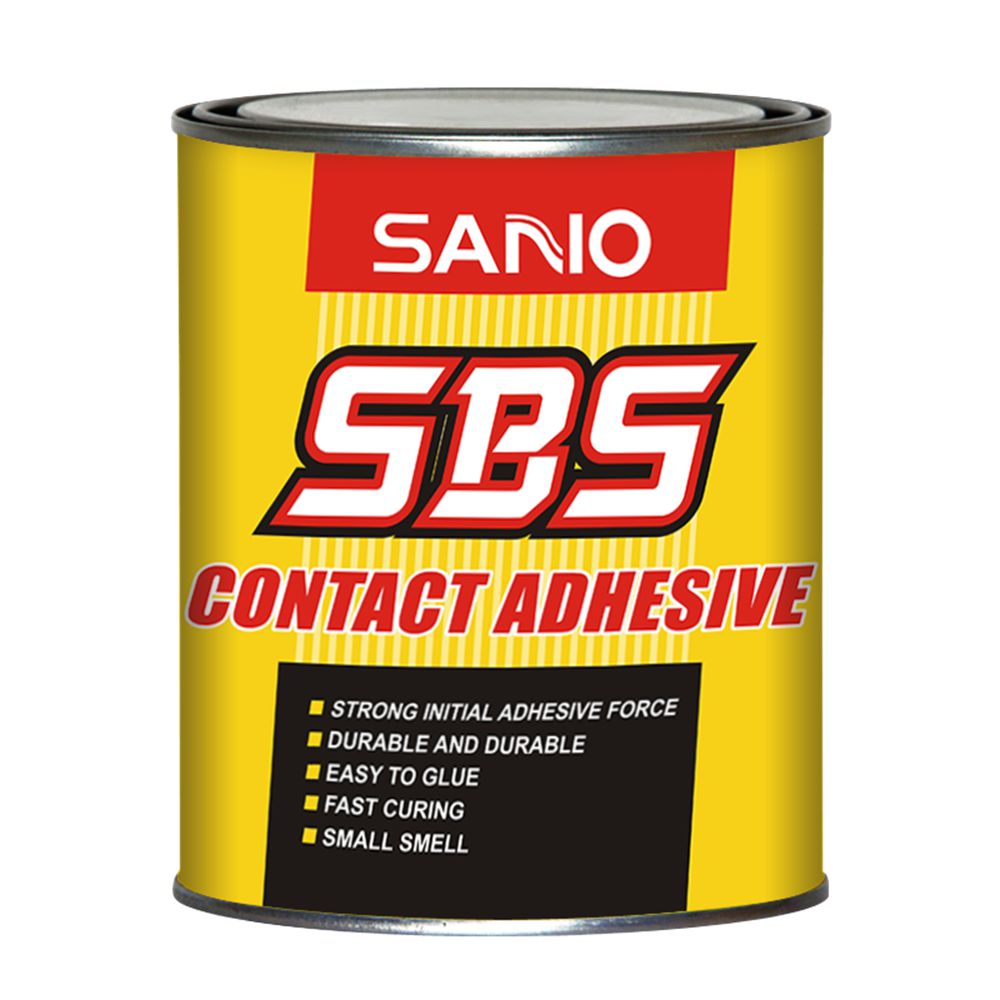
People buy low-VOC spray paint because they imagine a miracle: less smell, clean conscience, and the same flawless finish. Reality often laughs. Low-VOC labels fix one problem—excessive solvent emissions—but create others: poor atomization, slower film formation, and, yes, adhesion headaches on tricky substrates. If you’ve cursed a can of aerosol while your project peels off the next week, you’re in the right place. Also useful: if you need a glue that bonds fast and cleanly for test assemblies, don’t forget to compare how your paint pairs with different contact adhesives, because paint chemistry and adhesive choice interact more than most guides admit.
What “low-VOC” actually means and what it doesn’t
Low-VOC is a regulatory or marketing shorthand for formulations that limit volatile organic compounds—solvents that evaporate and cause odor and emissions. It doesn’t promise “industry-grade” durability or miracle leveling. Manufacturers hit VOC caps by swapping heavy solvents for waterborne carriers, esters, or reactive diluents. That changes drying behavior and sprayability. Expect longer tack times, different gloss, and potential clogging if you spray cold or on humid days. Read the technical data sheet for solvent type and recommended gun/nozzle—those tiny details tell you more than the badge on the can.
Performance trade-offs you’ll run into
Here’s the blunt list: coverage, feel, adhesion, longevity, and color fidelity. Low-VOC aerosol often gives thinner films so you need more coats—more coats mean runs if you panic and slam them on. Waterborne systems can be forgiving on indoor air but suffer in humidity and can blush. Adhesion is the sneakiest failure mode: a paint that dries but never bonds will flake later, often where stress concentrates. Expect some brands to hide fillers that mask thin film problems; testers who pretend wet-spray looks = finished quality will mislead you every time.
Practical checklist for buyers — avoid the classic mistakes
Don’t guess. Do this instead: test a small panel under the same conditions as your project; check the technical data sheet for substrate compatibility; use the right primer for plastics, metals, or varnished wood; allow full cure before stressing the film; use recommended nozzle sizes and maintain 15–25 cm distance when spraying. Avoid spraying cold surfaces or in high humidity. If the product lists “fast drying,” assume that’s at 20–25°C and low humidity—faster often means tacky inside. And stop assuming all “low-VOC” cans are interchangeable; they’re not.
Alternatives and when to choose them
If your priority is indoor use and smell control, waterborne acrylic aerosols or HVLP turbine systems fed by low-VOC paints are smart. For outdoor durability, choose a formulated exterior low-VOC enamel with proven UV modifiers. If adhesion is the problem, a solvent-free two-part polyurethane or epoxy brush-on may be the sensible, boring choice. Aerosols are convenient; they’re not a universal fix. Sweep practicality over romance: a small spray booth or a properly ventilated space plus a compatible primer beats the “one can wonder” approach.
Experience, authority, and a sourcing reality check
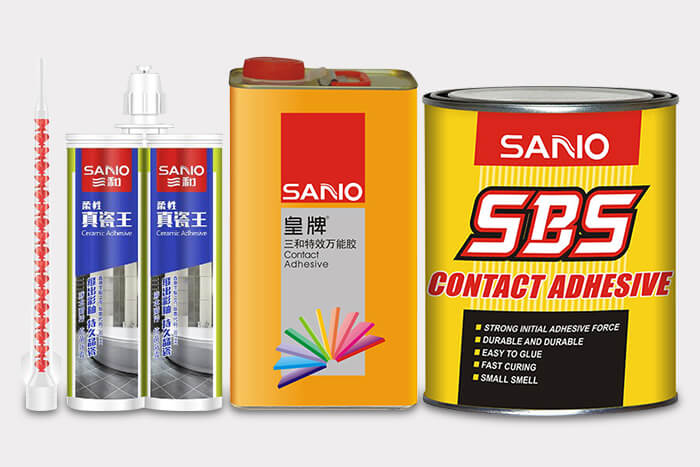
I’ve spent years troubleshooting finish failures for woodworkers and metal fabricators; repeated blind tests show the same truth: chemistry matters more than label copy. Suppliers and finish engineers compare notes at industry gatherings — LIGNA in Hannover frequently surfaces as the place where coating trends and supplier roadmaps get hashed out — and if you’re sourcing materials globally, being able to discuss specifications with a reliable contact adhesive supplier matters. Ask for data: solvent type, recommended substrate prep, VOC grams per litre, and accelerated weathering results. Those figures separate confident suppliers from marketing poets.
Common pitfalls that actually ruin projects
Skipping the adhesion test, assuming “low odor” equals “low impact,” and pairing incompatible topcoats are the usual suspects. Don’t use paint as a quick mask for bad surface prep. Don’t compound issues by changing temperature, humidity, and spray technique between coats. And when a finish looks questionable after curing, resist the impulse to layer more product; strip and re-evaluate instead. Rework costs more than a proper test panel and a cautious plan.
Quick decision guide
If you want minimal smell and are finishing indoor furniture, choose a waterborne low-VOC system with a recommended primer and allow full cure before use. If outdoor performance matters, buy a proven exterior low-VOC enamel and follow manufacturer cure times. For plastics, insist on adhesion data. For fast tack and spot repairs, balance convenience against the risk of lower durability. When in doubt, test. Repeatable results come from deliberate steps, not brand hope.
Where this leaves you
Low-VOC spray paint fixes one problem and invents a few others; the buyer who understands the trade-offs wastes less time. Match chemistry to substrate, verify adhesion and cure data, and consult sourcing partners when your project combines adhesives and coatings. That realistic approach is precisely the kind of practical supply-and-spec knowledge you’d expect from a company like SANVO, which shows how product choice and supplier detail actually influence finished outcomes.
