
Introduction — a quick scene, a few numbers, one question
I was at a garage last summer watching a startup debug a noisy conveyor. The team swapped parts, tightened bolts, and still the unit hummed like an angry bee. In many factories, roughly 20–30% of unexpected downtime traces back to motor issues (simple math: a few hours lost becomes thousands in missed output). An electric motor sits at the heart of that problem — quietly shaping whether a line runs or grinds to a halt. So I kept asking: why do we keep patching symptoms instead of fixing the underlying cause? This little scene matters because it repeats across shops, labs, and small plants — and the cost adds up fast. I’ll walk you through what I saw, what the data says, and what actually helps. Ready? Let’s dig in and map the rest of the journey — to clearer fixes and fewer nights spent chasing noise.

Deeper layer: Why traditional fixes miss the mark
brushless electric motor systems look simple from the outside. But underneath, the issues are subtle: mismatched controllers, poor feedback loops, and mechanical resonance. I’ve been in rooms where they blamed bearings, then controllers, then wiring — one test at a time. The true trouble often sits at the intersection of control electronics and mechanics: rotor dynamics, stator heating, and torque ripple that shows up only under load. We see teams pile on band-aid solutions — thicker mounts, extra insulation, more frequent inspections — and call it a day. Look, it’s simpler than you think: if the controller can’t tune PWM properly or handle back-EMF, the motor never behaves predictably.
In my experience, the conventional path fails because it treats symptoms. For instance, adding a stiffer coupling may reduce vibration short-term but hides mis-specified power converters or a mismatched BLDC controller. Those root causes keep coming back. I count three recurring tech terms that explain the clinic-level failures: rotor imbalance, insufficient feedback (encoder or Hall sensor calibration), and control-loop latency. Fix one, and you reduce noise; fix all, and you stop the outage cycle. We should stop guessing. Instead, we ought to measure specific signals, compare waveform data, and iterate on the controller profile — not just swap parts and hope. — funny how that works, right?
Why not replace everything?
Because wholesale replacement is costly and often unnecessary. A targeted controller tune or an encoder recalibration can return uptime faster than a full motor swap. I prefer a measured approach: test, quantify, act. That saves money and keeps the process predictable.
Forward view: New principles and practical picks
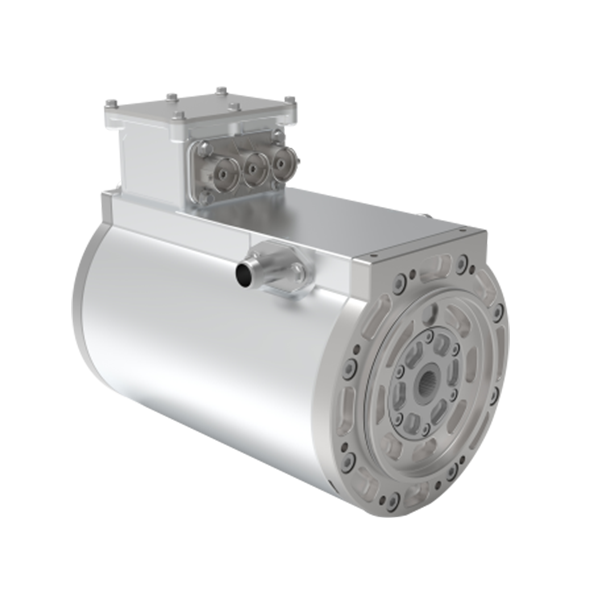
Now let’s look forward at technical principles that matter when you plan upgrades. I’ll speak plainly: better outcomes hinge on three ideas — smarter control strategies, integrated sensing, and modular power electronics. For brushless systems, advanced field-oriented control (FOC) and proper sensor fusion reduce torque ripple and improve efficiency. When we pair those control schemes with higher-resolution encoders and robust power converters, the system responds cleaner. I’ve seen electric motors behave like new just from a revised control map. It’s not magic; it’s better signal processing and more attention to how the motor and controller talk to each other.
Practically, I recommend a staged upgrade: first add better sensing (encoders or improved Hall placement), then refine controller parameters, and finally revisit mechanical coupling if needed. This order targets the true failure modes and avoids expensive, unnecessary swaps. Also, consider diagnostics that log vibration and current signatures. Those traces tell stories — and they let you predict problems before they force a shutdown. Short story: invest in data, not guesses. What’s next? Use those signals to guide procurement and maintenance, not intuition alone.
What’s Next — three metrics I use
When I evaluate options now, I score them on three things: (1) control fidelity — can the controller run FOC and tune PWM precisely? (2) sensing resolution — do the encoders and feedback eliminate blind spots? (3) serviceability — how quickly can I recalibrate or replace modules in the field? These metrics are simple and measurable. I use them to choose components and to set acceptance tests.
In closing, I’ve learned to stop treating motors as black boxes. Test signals, tune controllers, and pick the right sensors first. The result is less downtime, lower repair cost, and a smoother line. If you want a practical partner on this — someone who knows the parts and the field — check out Santroll. We’ve been through the noise, the fixes, and the better ways forward, and I’m happy to help you sort yours.
