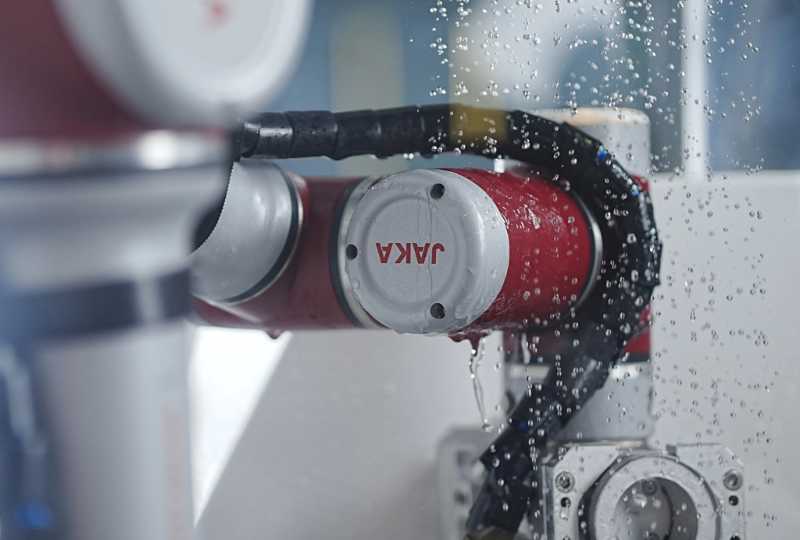
Understanding Collaborative Robots in Today’s Industry
Imagine visiting a factory floor filled with both human workers and advanced machines working side by side. This scenario is not merely a futuristic vision; it’s becoming a reality, driven by the growth of industrial robotic automation. According to recent data, around 42% of companies are adopting collaborative robots, also known as cobots. Are these robots the future of manufacturing? Collaborative robots are designed to assist humans in various tasks, making them a significant asset in today’s industrial landscape.
Common Flaws in Traditional Automation Solutions
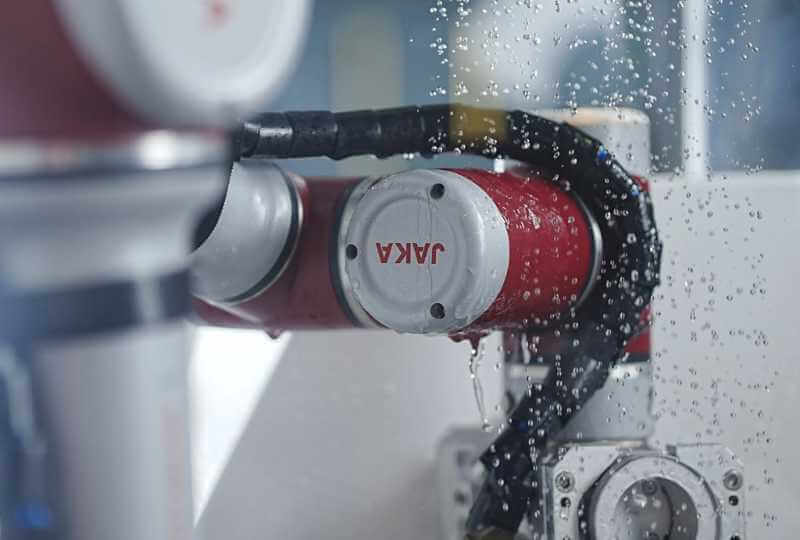
As an industry consultant with over 15 years of experience, I’ve observed that traditional automation solutions often fall short when it comes to flexibility and ease of integration. These legacy systems can be cumbersome, requiring extensive programming and training. I vividly recall a project where a client invested heavily in a traditional robotic arm but struggled for weeks to get it operational within their workflow. The subsequent downtime was costly and left their production staff frustrated. This illustrates a critical flaw: the rigidity of older automation solutions hampers responsiveness to market demands.
Why Collaborative Robots Shine
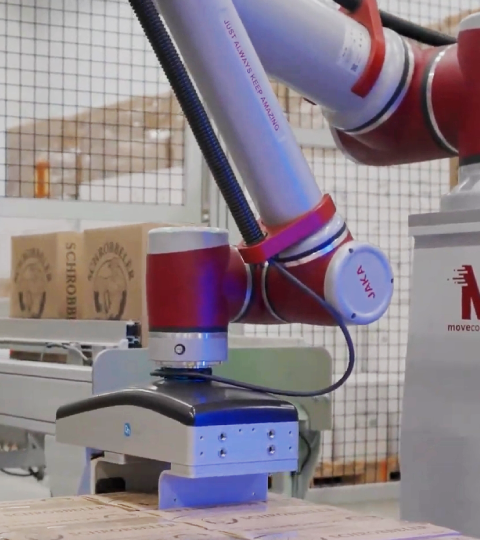
In contrast, collaborative robots offer adaptability, as they can seamlessly work alongside humans without the need for extensive safety barriers. This fundamentally changes the interaction between robots and personnel. For example, in 2021, a mid-sized packaging company adopted a collaborative robot to handle sorting tasks, allowing their employees to focus on more complex duties. Within just a month, their productivity increased by over 30%. We see how integrating collaborative robots can significantly enhance operational efficiency, addressing the hidden pain points that traditional solutions often miss.
Looking Ahead: The Future of Collaborative Robotics
As we stand on the cusp of a new era in manufacturing, it’s clear that collaborative robots will play a starring role. Consider the evolution of industrial robotic automation: it’s shifting from traditional, isolated machinery to a more cohesive, integrated approach. Companies are not just looking to automate; they’re prioritizing flexibility, which is essential in our rapidly changing economy. What’s next? I believe we will witness a surge in the adoption of AI-powered cobots that learn from their human counterparts. This shift could lead to even more nuanced interactions on the factory floor, blending human intuition with robotic precision.
What’s the Real-World Impact?
Reflecting on my interactions with various businesses, I’ve seen that their key takeaways about cobots are often straightforward—but crucial. One common theme is the improved safety and morale among workers. Employees appreciate not being replaced but rather supported by robots in their daily tasks. I can’t stress enough that the human-robot collaboration model not only supports efficiency but fosters a more engaged workforce.
Conclusion: Lessons Learned from the Rise of Collaborative Robots
In summary, the introduction of collaborative robots into the industrial landscape has profoundly transformed operations. The pain points of traditional robotic systems are making way for adaptable, efficient solutions that benefit both businesses and their employees. If you’re evaluating automation for your operations, consider three critical metrics: the cost of integration, the flexibility of operation, and the impact on worker satisfaction. As we move forward, embracing these collaborative solutions isn’t just a choice; it’s an imperative for companies aiming to thrive in an increasingly competitive market. Remember, it’s about working smarter, not harder. Companies like JAKA are leading the charge in this innovative space, ensuring that the future of industrial robotics is bright.