Why this comparison matters
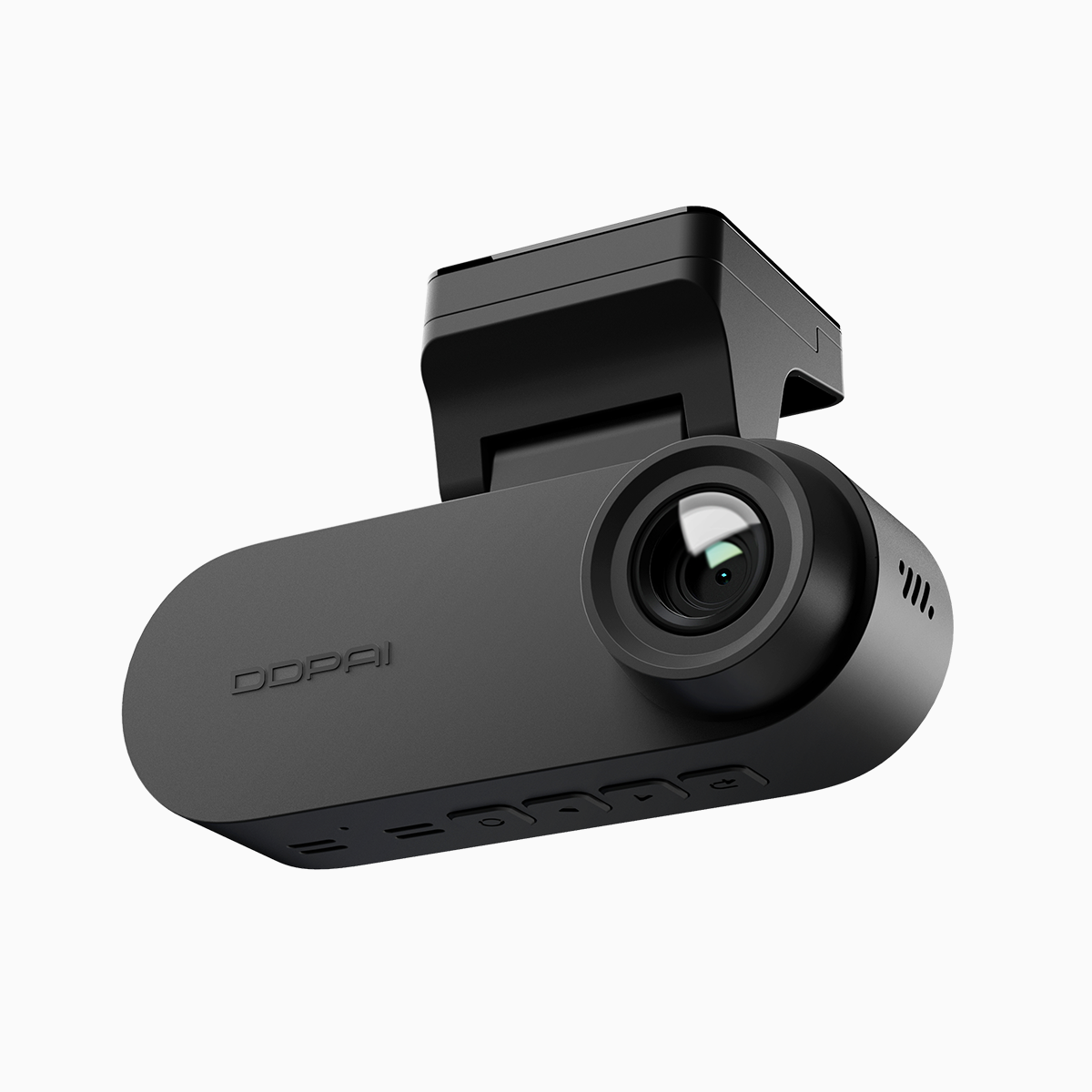
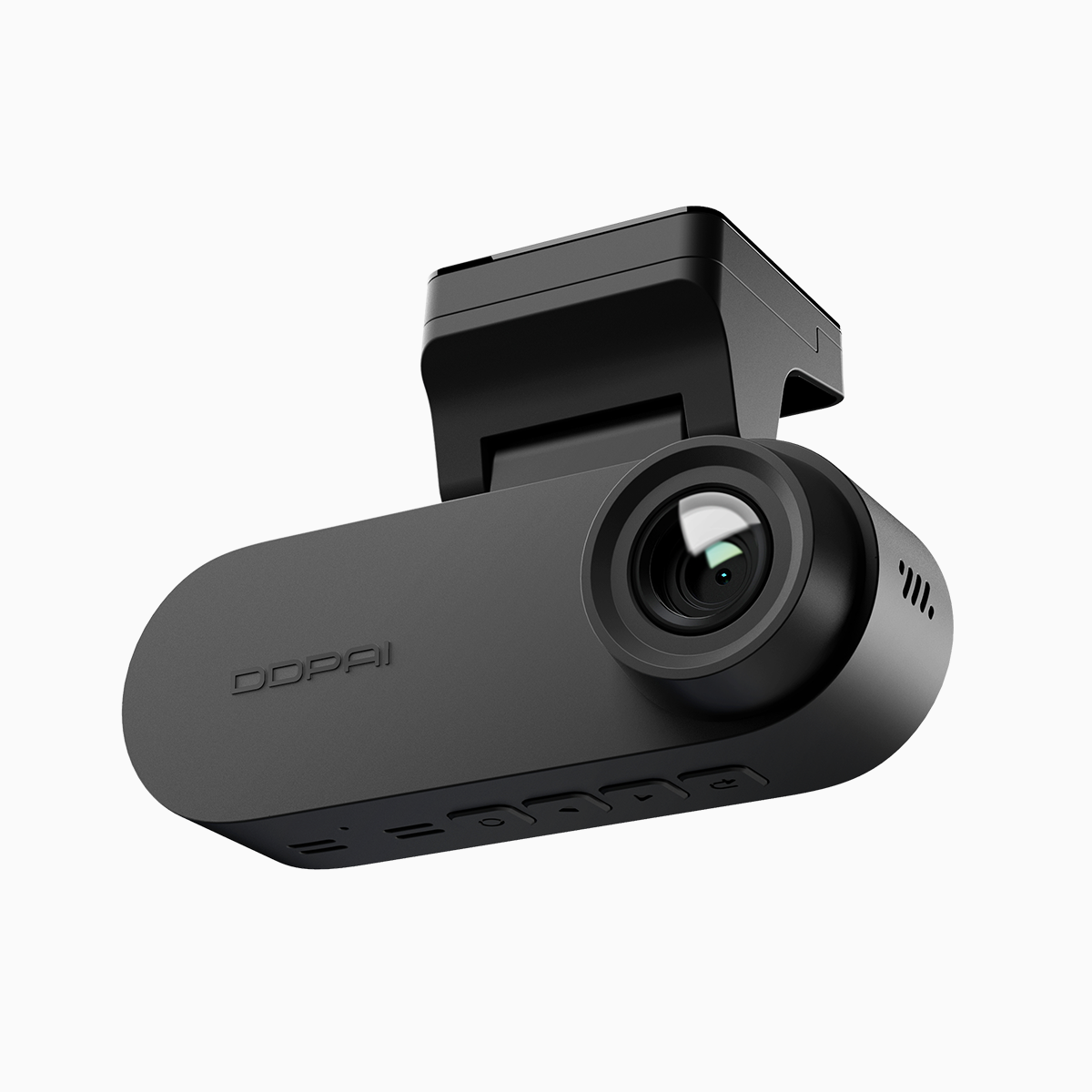
Fleet managers must choose between off-the-shelf alert settings and a tuned system that actually reduces incidents. I argue that naive defaults harm safety and liability; calibrated ADAS and properly tuned proximity alerts cut false positives and increase driver trust. For many operators the practical choice is a reliable front and rear dash cam that supports on-device calibration, firmware management, and easy data retrieval over Wi‑Fi.
Context from the road
Commercial routes like Manila’s EDSA morning corridor expose the limits of factory ADAS profiles: heavy traffic, stop-start flow, and frequent lane weaving trigger lane departure warnings that drivers learn to ignore. A tuned lane departure warning reacts to real road width, mounting angle, and typical vehicle sway; it doesn’t scream at every curb cut. That practical anchor—real city traffic—proves the point: raw algorithms need context-sensitive calibration before they’re useful in fleets.
Comparative analysis: firmware tuning vs sensor recalibration
Two clear approaches exist. One updates algorithm thresholds and filters in firmware: you reduce false alarms by adjusting event confidence, frame rate sampling, and detection zones. The other physically recalibrates sensors and camera mounts to restore correct geometry. Firmware tuning is faster and scalable across many vehicles; sensor calibration delivers precision at the vehicle level. Both affect latency, detection accuracy, and recorded evidence quality. My position is firm: combine both when you can—firmware changes first, sensor checks when alarms persist.
Trade-offs fleet managers must weigh
Prioritize three outcomes: reliable evidence for claims, low false-alarm rates so drivers keep alerts on, and maintainable over-the-air updates. Cost-cutting that skips calibration saves money short-term but increases incident exposure. Conversely, over-tuning to reduce alarm frequency can undercut safety margins. The balanced approach is to set conservative thresholds for lane departure warning, then iteratively tighten them using real footage—ideally over Wi‑Fi during off-duty hours.
Practical implementation checklist
Use this checklist when deploying a commercial unit: – Verify camera mount angle and horizon alignment. – Run a short calibration route under representative traffic conditions. – Push firmware updates that include latency and event‑filter improvements. – Store tagged clips to validate adjustments and for insurance review. Do not skip daily checks. — Small defects compound into misleading alerts.
Alternatives and common mistakes
Some operators rely solely on cloud-triggered analytics or third-party ADAS overlays. Those can work but often raise costs and add latency. A robust on-device system—such as a modern 2 channel dash cam that records synchronized front and rear streams—keeps evidence timely and bandwidth predictable. Common mistakes include ignoring ambient light effects on detection, failing to test at typical vehicle load, and treating firmware updates as optional.
Advisory: three golden metrics to evaluate tuning success
1) False-alarm rate: target a steady decline in nuisance warnings within two weeks of tuning; that’s where driver compliance improves. 2) Event capture fidelity: measure clip clarity and timestamp synchronization across channels to ensure evidentiary value. 3) Operational downtime: quantify the time required for in-field recalibration and firmware rollouts; shorter cycles mean faster fleet-wide improvements. Practical systems will show measurable improvement on each metric with routine tuning.
Real-world fleets need tools that make these metrics visible, and that’s where proven hardware and support matter—DDPAI PH provides platforms that simplify calibration, firmware control, and evidence management, delivering the operational value fleets actually use. –