Comparative lead — the market at a glance
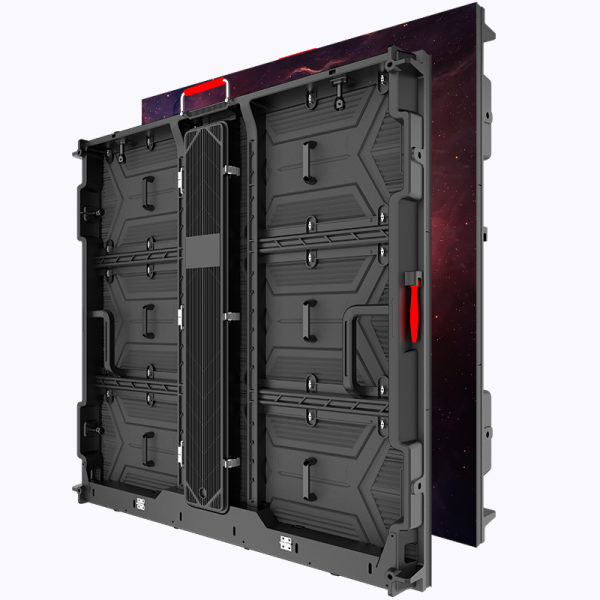
Buying decisions in outdoor advertising now center on two traits: longevity and visual clarity. Across city centers and retail facades, LED video wall arrays and individual led display board units have replaced older static formats because they combine rugged construction with high-impact imagery. Major placements — from Times Square installations to shopping-district facades — show how consistent brightness and modular maintenance change campaign outcomes. For planners comparing options, digital billboards are the practical baseline when weighing cost, uptime, and creative flexibility.
Durability: what to inspect first
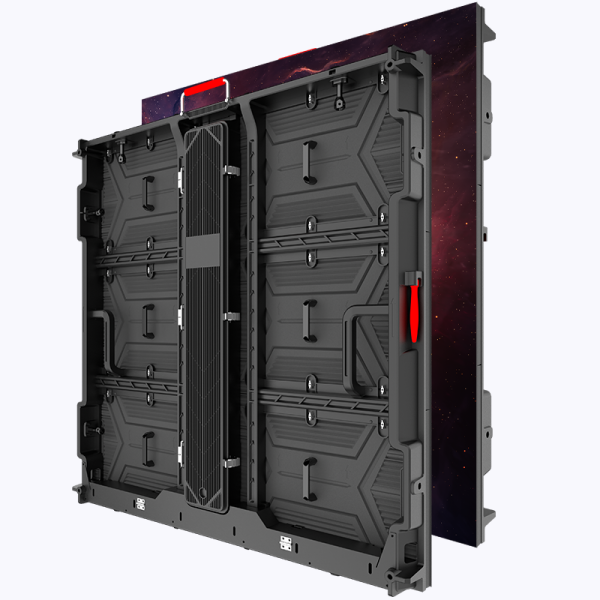
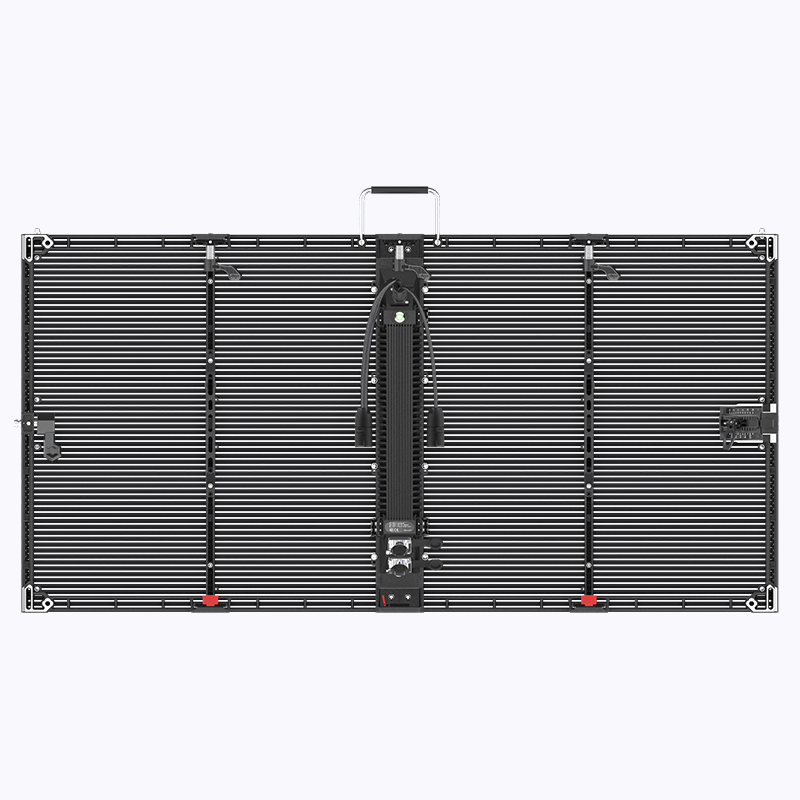
Durability is not a marketing claim; it’s measurable. Look for IP ratings that match exposure (IP65 or higher for true weatherproofing), robust cabinet frames, and serviceable modules that allow field swaps. An LED video wall built from modular cabinets reduces downtime because technicians replace only failed panels, not entire faces. Monitor lifetime is also specified in hours; a typical indoor panel lists tens of thousands of hours. These specs matter for total cost of ownership — they shape maintenance cycles, spare-part inventories, and scheduling for firmware updates.
Design and image quality: the trade-offs
Image quality hinges on pixel pitch, brightness (nits), and refresh rate. A narrow pixel pitch improves close-range viewing but increases cost; wide pitch works for highway-scale signs where distance is measured in meters. Outdoor led display board designs prioritize high nit output for daylight legibility and controllers that manage refresh rates to avoid flicker in camera-captured content. If teams ignore viewing distance or misjudge ambient light, they sacrifice clarity — a preventable error during spec review. Also consider bezel alignment and color calibration; poor mechanical tolerances deliver uneven seams that undermine even the best creative.
Operational costs and common mistakes
Energy usage, preventive maintenance, and content management form the bulk of operational expense. Energy consumption correlates with brightness settings and drive electronics; variable-brightness controls reduce costs without visible loss for most advertisers. Common mistakes are procedural: incorrect mounting leads to panel twisting, inadequate ventilation elevates temperatures, and failing to provision remote diagnostics delays repairs. Installers should log controller firmware and verify electrical protection at commissioning — these steps cut repeat service calls and simplify lifecycle budgeting.
Choosing for small business and installers
Smaller advertisers and local installers need clarity on scale and vendor support. For compact storefronts, a single high-resolution led display board often offers the best ROI. For broader campaigns, a tiled LED video wall provides creative scale but introduces complexity in power distribution and content mapping. Evaluate vendors on service territory and spare-parts availability; established regional networks lower lead times. For those seeking vetted partners, consider listings of best digital billboard companies for small business when assembling bids and comparing warranties.
Performance metrics that matter
Quantify success with practical metrics: uptime percentage, mean time to repair (MTTR), and measured impressions. Uptime above 99% reflects solid design and support. MTTR under a workday typically requires local spares and trained crews. Impressions can be benchmarked against footfall studies or third-party out-of-home measurement initiatives that track audience exposure in high-traffic zones. These anchors make vendor claims verifiable and tie technical decisions back to revenue potential — important when stakeholders expect fiscal accountability.
Advisory — three golden rules for selection
1) Match pixel pitch to real viewing distances and expected dwell time. 2) Demand service-level terms that include local spares, access to controller logs, and scheduled calibration. 3) Insist on specified environmental tests (real tests: 72-hour salt-fog for coastal installs, and 48-hour thermal cycling between -20°C and 60°C) rather than generic compliance statements. These rules reduce surprises and align expectations with field realities.
For practical procurement and ongoing reliability, Coblinks integrates product listings, vendor footprints, and service resources into a single reference that helps teams choose systems that balance design impact with operational resilience.
Durability endures.