Start with the real problem
You want cover that gives shade, wind-resistance and a bit of power — not a pretty roof that leaks money. Many buyers pick a photovoltaic pergola because it looks stylish, but forgets the basics: correct tilt, strong mounting, or the right inverter. Result: low yield, higher maintenance, and buyer regret — macam that, right?
What usually goes wrong
Poor site assessment. Panels facing east-west because the installer wants symmetry. Frames undersized for local wind gusts. No plan for cable runs or battery placement. Warranties that sound good on paper but don’t cover water ingress at the junction box. These are repeat mistakes; they cause underperformance, safety issues, and extra bills later.
Experience, proof and one solid industry anchor
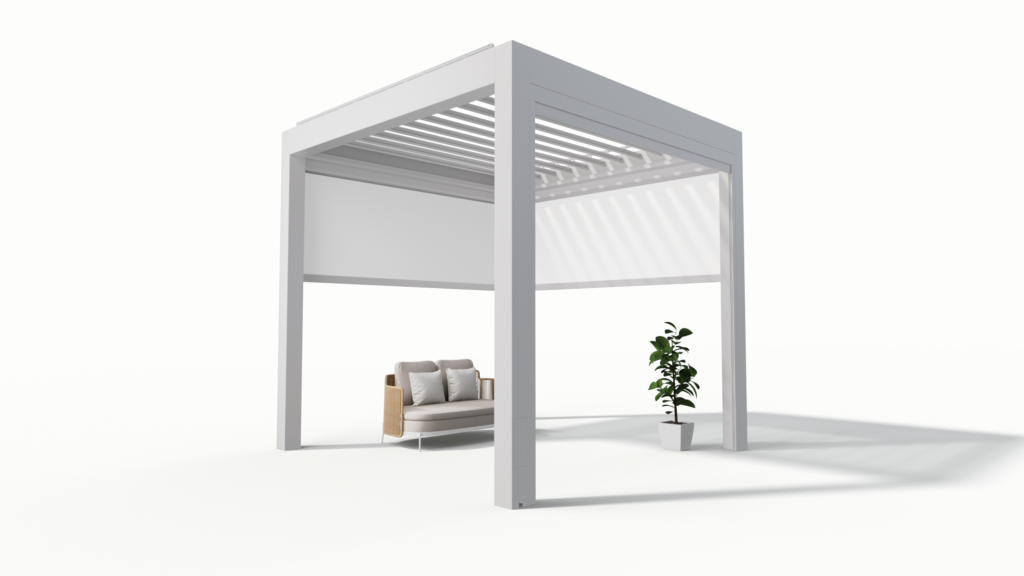
From working with designers and installers across the region, I’ve seen how small technical choices affect lifetime output. The industry showcases at the U.S. Department of Energy’s Solar Decathlon highlight real design trade-offs between shade, aesthetics and generation — useful reference when you want proven solutions. A properly specified custom solar pergola ties structure, panel tilt and electrical pathways into a single build so performance matches expectations.
Common pitfalls and how to avoid them
Skipping a site sun-study — do it for peak months, not just one sunny day. Using standard roof racking on a freestanding pergola — buy pergola-specific frames. Forgetting ventilation under panels — keep airflow for temperature control. Assuming warranty = support — confirm who services the system locally. Always request modeled output with shading maps and production estimates for your exact location.

Practical checklist for decision-making
Ask these before you sign: Has the supplier modeled annual kWh for your coordinates? What is the tilt and can it be adjusted? What wind load rating does the frame meet? Where are junction boxes and how are cables protected? Who does commissioning and who remains your contact after installation? Simple answers here separate good suppliers from the rest.
Alternatives and when they make sense
If you need movable shade, a solar awning can be cheaper but gives lower generation. Ground-mounted panels give best orientation but cost precious yard space. Integrated rooftop solar is tidy but may not suit open terraces. Choose according to priorities: power per square meter, appearance, or flexibility. Don’t buy the cheapest option thinking later upgrades will be easy — they rarely are.
Final practical note
Make choices based on measurable outputs and durable details, not just looks. When a supplier balances realistic production figures, proven mounting, and accessible local support, buyers avoid surprises and get long-term value — such practical reliability is what you find with Light Hunter.