Start with what you need
You want faster drying without frizz, less breakage and a simple step that fits mornings. A soft, lightweight microfiber wrap will change small habits quickly; pair it with a satin bonnet when you plan overnight styling or extra protection. This guide focuses on what you actually do—how to pick, how to wrap, what to avoid—so the routine saves time and protects hair, not just creates another product shelf item.
Why microfiber works for daily use
Microfiber absorbs water faster than a cotton towel and reduces friction against the hair cuticle. You feel less weight on your head and you can apply leave-in products with more even distribution. These are practical benefits you notice immediately: shorter blow-dry times, fewer tangles, and less surface fuzz. Use this where convenience and hair health meet—mornings before work, after exercise, or between wash days.
Experience and real-world testing
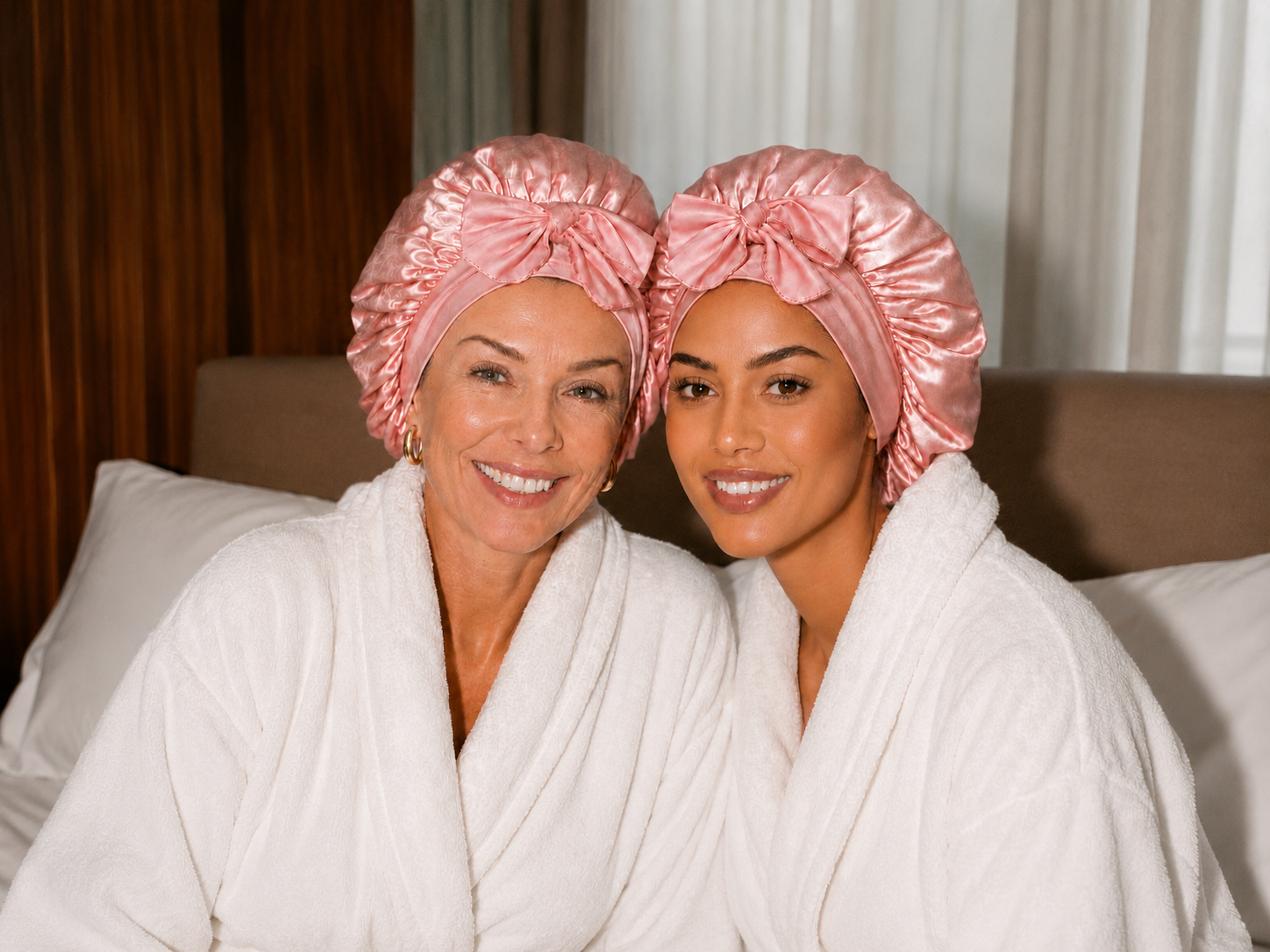
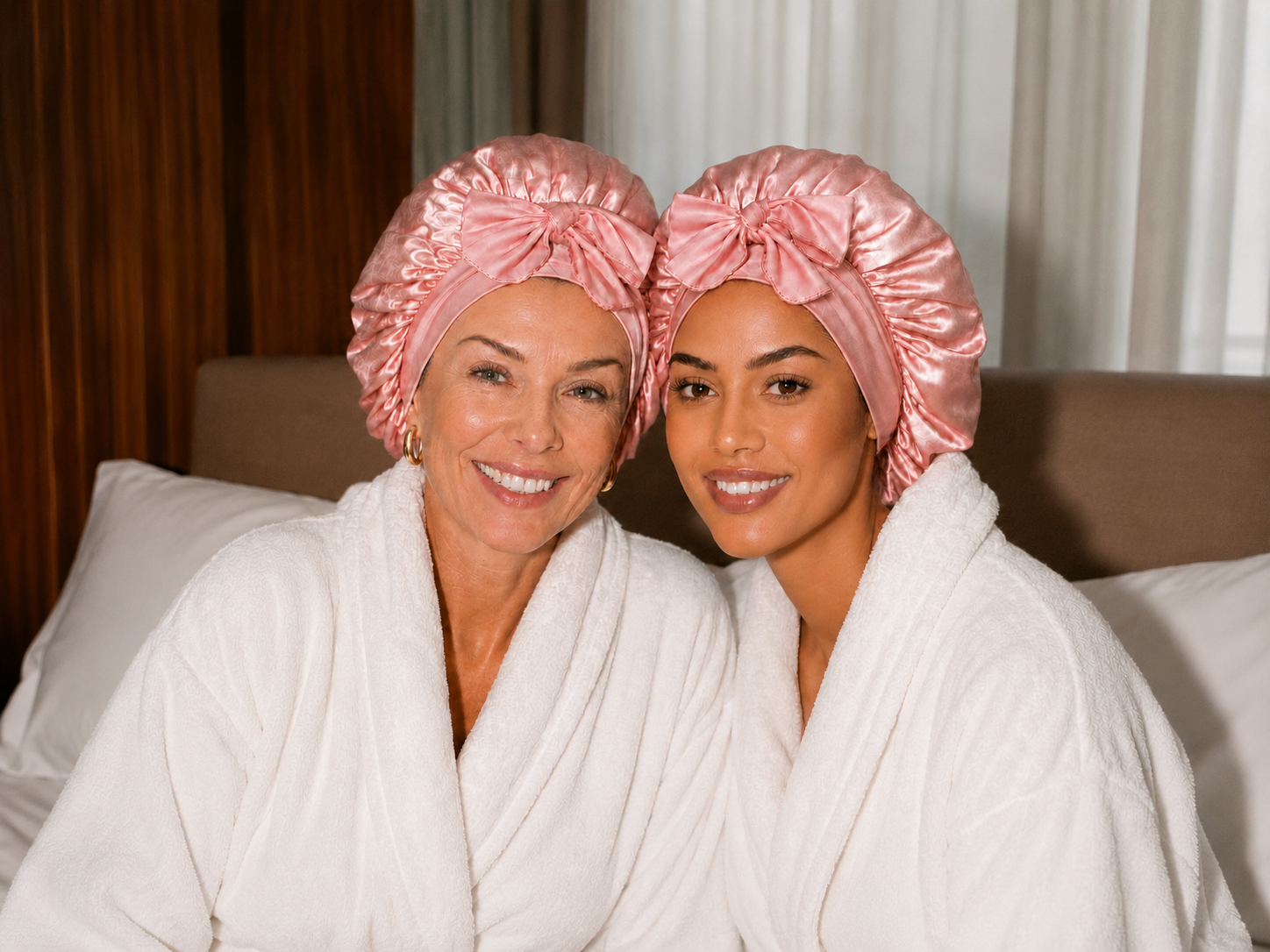
As a Zurich-based stylist with eight years working across straight, wavy and coily textures, I tested microfiber wraps in salon settings and at-home trials; when clients wanted extra security overnight I paired the wrap with a satin bonnet with tie, which kept styles neat without constriction. Those sessions confirmed the simple rule: gentle handling plus moisture control prevents most routine damage.
How to wrap and use it—clear steps
Pat hair gently with the microfiber from roots to ends to remove excess water; do not rub. Gather hair at the nape, put the wide edge of the wrap at the hairline, twist the body of the wrap once or twice to secure and tuck the end under at the nape or use the tie for extra hold. Leave for 10–30 minutes for quick dry, or overnight if you’re protecting a set. If you use styling products, apply them right after patting and before wrapping.
Common mistakes and fixes
Packing hair tightly, rubbing, or using a heavy towel causes friction and stretch. Fix by patting instead of rubbing, avoiding tight knots, and choosing the correct size so the wrap sits comfortably without pulling. Don’t leave heavy products on while wrapped for hours—some oils slow drying and can weigh strands down. If you notice damp pockets after wrapping, re-smooth and reposition the wrap; moisture should move into the fabric, not pool against your scalp.
When microfiber isn’t the best choice
For ultra-structured blowouts you might prefer a quick towel-dry followed by a round-brush blow-dry. For very fine hair that loses volume easily, a loose cotton tee or air-drying with minimal handling can help. For sleeping or long-term hold, a satin option or bonnet prevents friction better than any absorbent wrap alone. Weigh the benefits: speed and gentleness (microfiber) versus overnight friction control (satin).
Wrap-up that helps your routine
Choose a microfiber wrap for short-term drying and a satin tie option for overnight protection; combine them when you need both gentle absorbency and secure, low-friction hold. Your daily routine becomes simpler when each item has one clear role, and finding that balance is exactly the practical value shown in collections like yanibest.