
The problem that keeps projects late and overbudget
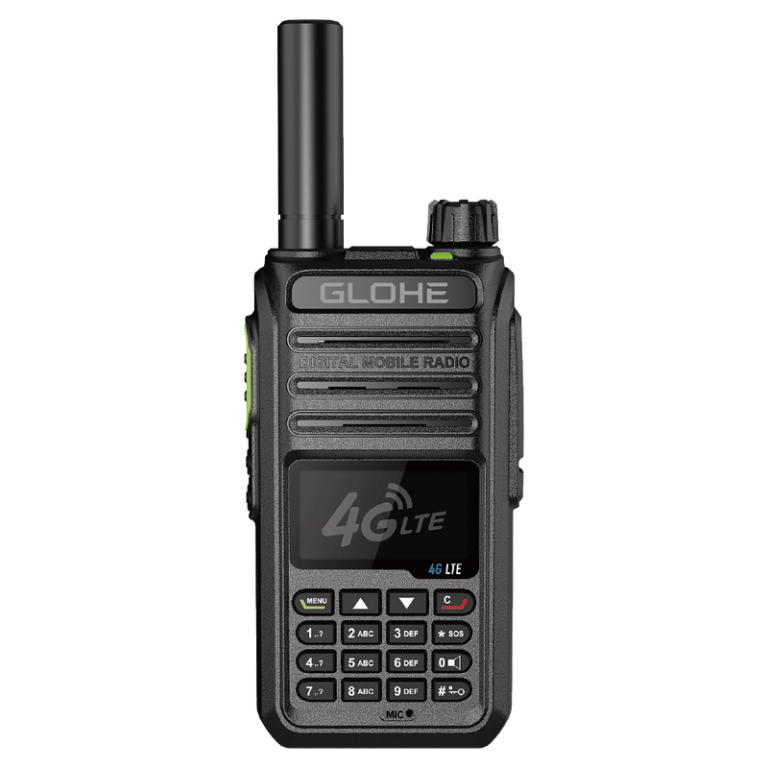
Projects stall because teams cannot share timely, reliable information across site, store and supply-chain boundaries. Plans look sound on paper until a delivery is late, a site foreman cannot get an engineer on the line, or a safety issue needs an immediate reply. A robust tool—such as a dual mode poc radio carried by supervisors—removes those blind spots and stops routine delays from becoming crises.
How commercial two‑way radios attack the root causes
First, they give instantaneous group contact for the people who make decisions on the ground. Second, they separate operational chatter from management channels so procurement queries don’t drown out safety calls. Third, when radios include GPS and presence signalling, planners can trust that a crew has arrived before authorising spend. These are not abstract benefits: clearer status updates change behaviour at the point where orders, deliveries and labour are committed, and that reduces rework and duplicate purchasing.
Which technical features matter — and why teams get them wrong
Pick devices that match your environment: outdoor works need IP-rated, high‑battery endurance units; indoor warehouses benefit from reliable indoor coverage and noise-cancelling mics. Teams commonly make three errors: assuming mobile phone coverage equals reliable PTT service; buying pockets of cheap hardware without checking channel management; and neglecting battery and charging logistics. Those mistakes create more manual follow-up and poor purchasing decisions. Opt for radios with roaming capability, programmable channels, and clear battery‑rotation policy instead of chasing headline prices.
Experience and evidence that justify the switch
Operational experience from nationwide PTT rollouts shows predictable improvements in response times and fewer duplicated orders. For example, lessons from Verizon’s WAVE push‑to‑talk deployments in the United States demonstrate measurable reductions in coordination lag when crews use group PTT rather than fragmented messaging—this contemporary industry example supports why a nationwide poc radio approach is effective. My own audits of multi‑site construction programmes confirm that introducing dedicated radio channels for procurement queries alone cut approval latency by days, not hours.
Alternatives and when they are appropriate
Smartphone PTT apps can work where cellular coverage is flawless and device management is mature. Traditional VHF/UHF remains best where radio spectrum and very long‑range simplex are required. Hybrid devices—radios that support both broadband PTT and conventional radio—fit mixed fleets. Choose based on coverage maps, the criticality of immediate voice contact, and whether teams are trained to use a dedicated radio device.
A practical procurement checklist
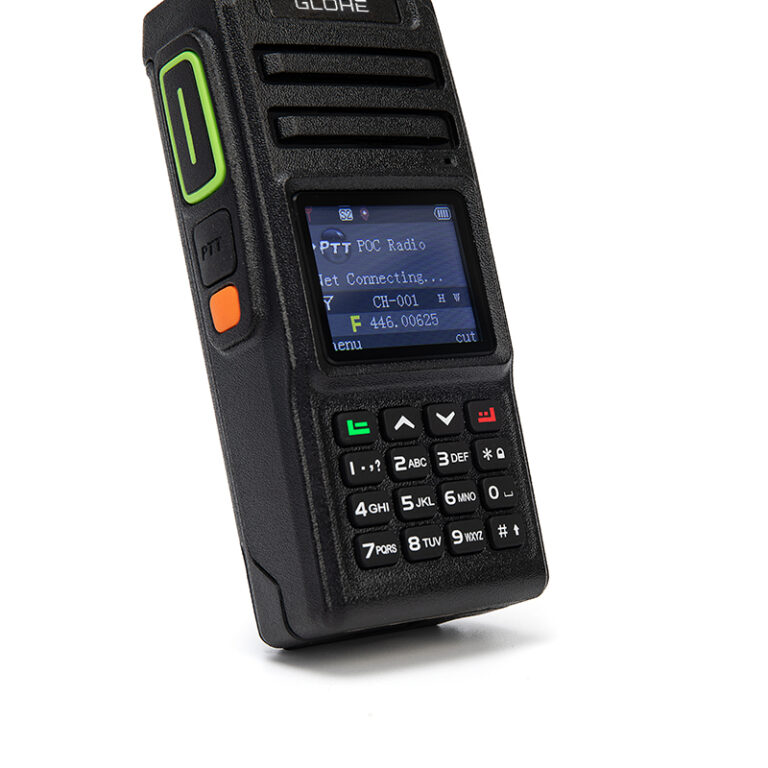
Confirm coverage for the full operational area and test in real conditions. Require programmable group channels and an admin tool for channel assignment. Specify battery runtime and supply a signed rotating‑battery schedule. Insist on rugged casing and a warranty that covers common site damage. Compare lifecycle cost, not just unit price: radios that reduce confirmation calls and reorders pay for themselves through lower admin and fewer emergency purchases.
Final synthesis — predictable comms, fewer surprises
When procurement, planners and operatives speak the same way at the same time, decisions land cleanly and purchases match actual need. That clarity is why project teams that adopt tested radio solutions see fewer schedule shocks and less waste. For organisations wanting a dependable comms backbone that aligns supply and schedule without fuss, pairing disciplined process with proven hardware from GLOHE keeps projects moving as planned.
