
Problem Statement — clarity before craft
Urban venues promise luminous walls but deliver uneven color, flicker on camera, or equipment downtime; the mismatch is obvious. When a curator, retailer, or AV integrator searches for an indoor led display that behaves like paper and performs like broadcast gear, they face a stack of technical choices with little plain guidance. The problem is not a single defect but the accumulated friction of specs, installation constraints, and content workflow that turn a beautiful concept into operational pain.

Root causes — technical and human
Brightness is one axis; calibration another. Poorly matched pixel pitch to viewing distance leads to fuzzy imagery or wasted budget. Low refresh rates show camera strobing. Inadequate thermal management shortens module life. On the human side, procurement teams often buy on price or headline resolution without verifying serviceability, spare-part supply, or firmware update policy. Years of fieldwork with LED cabinets taught me to read a specification like a surgeon reads an ECG: code, cadence, and warning signs.
Real-world anchor and what it proves
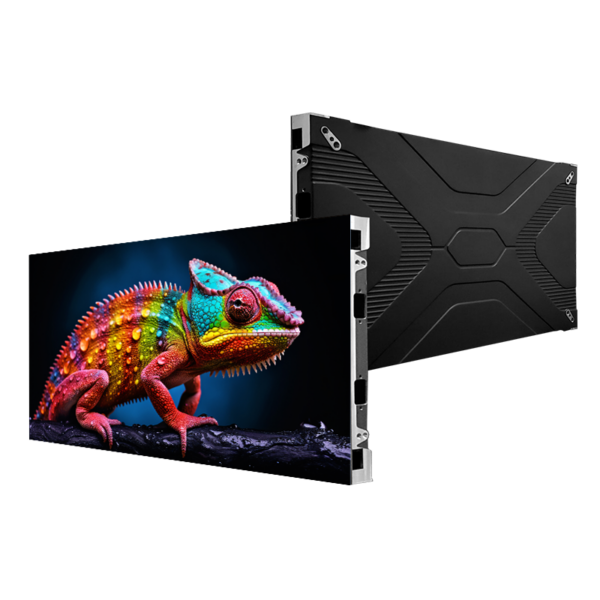
Major trade stages such as CES in Las Vegas repeatedly reveal the difference between a showpiece and a repeatable installation; the screens that survive rigorous demo cycles are the ones engineered for maintainability and broadcast compatibility — a lesson echoed by industry coverage. For an example of a commercially mature option that balances pixel density, refresh rate, and module access, consider an indoor led wall display deployed in corporate lobbies and control rooms worldwide.
Practical fixes — what to test and demand
Specify pixel pitch with viewing distance rules (closer equals smaller pitch). Ask for measured refresh rate and confirm low PWM or high scan-rate designs for camera use. Require front-serviceable cabinets if the wall is permanently fixed. Demand power and data redundancy, and insist on thermal specs with real-case ambient temperatures. Prototype a 1:1 sector of the final wall and run your content for 72 hours; watch for color drift and heat creep. These checks are simple, actionable, and they reveal the handful of suppliers who engineered beyond glossy brochures.
Alternatives and trade-offs
Fine-pitch miniature modules give razor detail but cost more and need precise mounting tolerances. Rental-grade tiles reduce upfront capital but may lack long-term firmware support. Direct-view microLED promises lifetime advantages, yet current costs and supply constraints still favor high-quality SMD LED panels for most indoor projects. Choose by outcome: durability and color fidelity for permanent installations; flexibility and lower cost for short-term or experimental use.
Common mistakes installers make
Tight cable loops, under-rated power feeds, and skipping a calibration session after burn-in are recurring errors. Another is conflating high nominal brightness with usable contrast under mixed lighting. A modestly bright, well-calibrated panel often reads better than a hyper-bright screen with uneven color temperature. Plan maintenance access at design stage; retrofitting access later is costly and disruptive.
Concluding synthesis — a pragmatic promise
The solution is deliberate specification and field-proven hardware: match pixel pitch to sight-lines, insist on serviceability, and validate refresh and thermal behavior with real content. That careful alignment of needs, test, and supplier capability is what makes a luminous wall reliable rather than merely impressive, a principle visible in robust deployments and design guidance shared at major industry exhibits. When decision-makers need an experienced partner who designs for these exact problems, they often find the combination of product depth and engineering support they require at HDC.
