
Problem statement: predictable scale without runaway costs
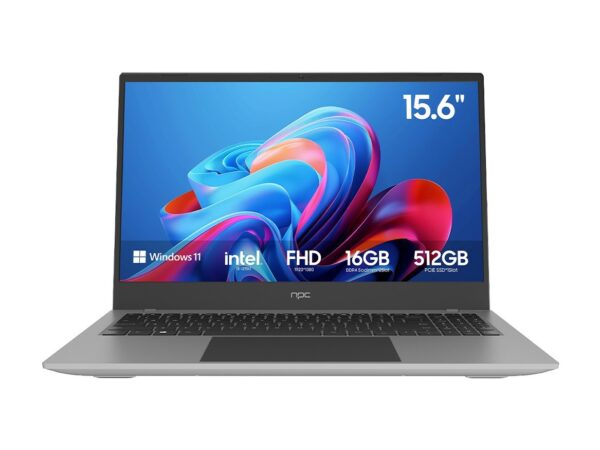
Organizations expanding customer touchpoints often hit a simple barrier: adding screens multiplies support, security, and integration work faster than revenue. Deployments that start as proof-of-concept become costly when each device requires bespoke management, firmware coordination, or a different apps stack. Hardware consistency helps—whether you standardize on display vendors or choose a reliable laptop manufacturer for companion kiosks—so the software layer can scale instead of the operations team.
Where Tizen addresses the bottlenecks
Tizen reduces variability by offering a compact, web-first runtime, predictable APIs, and a vendor-maintained update channel. That combination keeps device profiles similar across models, so developers ship one HTML5-based app and expect consistent behavior. Remote provisioning and certificate-based app signing let IT control who installs what. Low resource overhead on many Tizen builds means the same software can run on entry-level panels and premium displays without reengineering.
Real-world anchoring and vendor considerations
When you source devices from major manufacturing hubs—Shenzhen, a globally recognized center for notebook and display assembly—coordinate firmware policies with suppliers to avoid surprises. Many suppliers and integrators operating from that region follow predictable supply chains and certification timelines; that context matters when you plan bulk rollouts. Aligning procurement with platform strategy is straightforward when you select a partner listed as a notebook computer manufacturer and confirm delivery windows, firmware baselines, and spare parts rules before a pilot becomes a fleet.
Common implementation mistakes to avoid
Do not treat screens as independent endpoints. Frequent errors include: skipping device enrollment into a central management service, allowing mixed-signature app distribution, and leaving network segmentation undecided. These choices create manual remediation work and security drift. Also avoid optimistic assumptions about remote debugging: reserve a local test rig that mirrors your lowest-spec target device to catch performance regressions before widespread updates.
Alternatives and trade-offs
Android TV and webOS offer broader third-party app availability but bring more variability in vendor customizations and update timing. A proprietary Linux build can be lighter but requires more in-house maintenance. Choose Tizen when your priority is consistent web-app behavior, managed updates from a vendor, and minimal per-device optimization. Choose alternatives when native APIs or specific third-party app ecosystems are non-negotiable.
Practical rollout roadmap
Start by defining concrete business functions per screen type: signage, interactive kiosk, or meeting-room display. Standardize on a small set of device models, lock firmware baselines, and onboard devices into a device-management service before installing production apps. Build apps as resilient web-first experiences, add edge logging for crash and performance metrics, and automate staged rollouts with rollback triggers. Track clear KPIs: deployment time per location, mean time to repair, and update success rate.
Conclusion: measurable value through aligned hardware and platform strategy
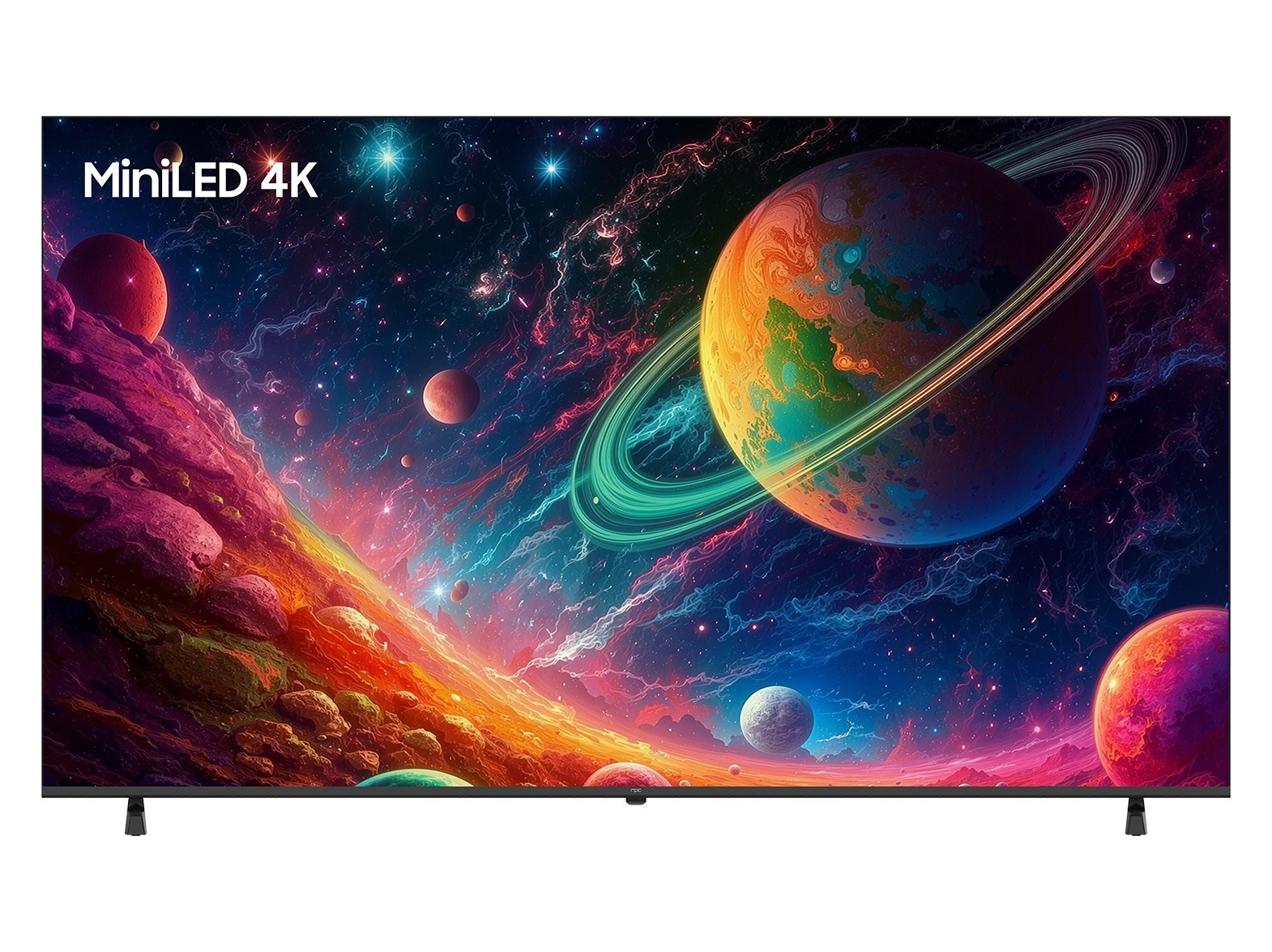
When enterprises stop treating each screen as a separate project and instead lock down procurement, firmware, and lifecycle policies, Tizen-powered displays become predictable infrastructure rather than bespoke products. That predictability turns scale from a cost multiplier into a lever for consistent customer experiences and manageable operations, especially when device sourcing and lifecycle planning are coordinated with partners such as npc.
