
A Vision of Connected Teams
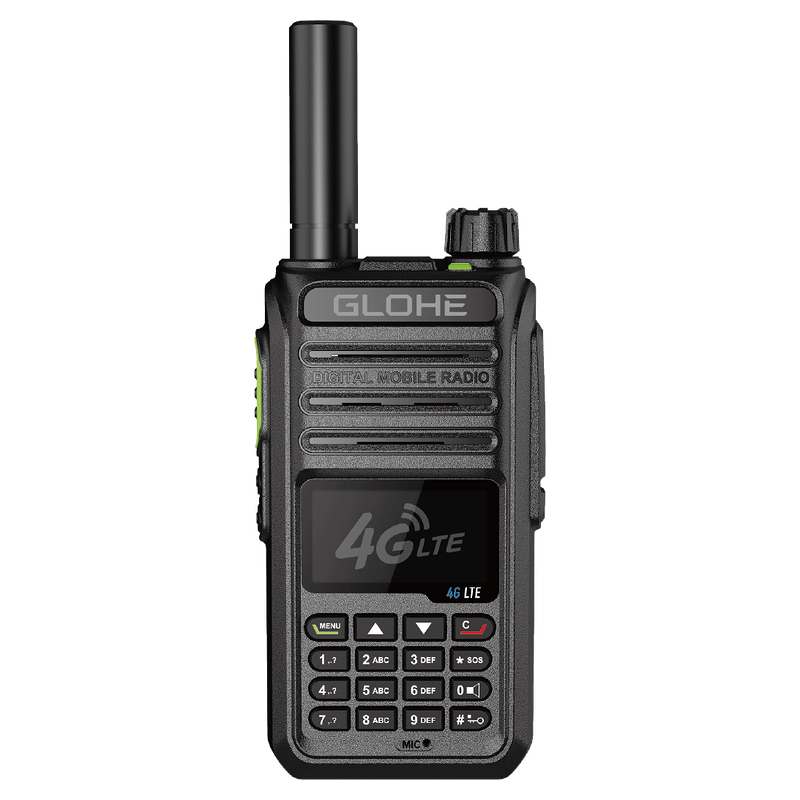
Picture crews, security teams, and field technicians communicating with instant clarity across cities and remote sites—no radio zones, no dropped calls, just reliable push-to-talk over broadband. That’s where poc radio enters: it moves two-way radio behavior onto IP networks so teams can stay together whether they’re inside a stadium, across a campus, or spread over multiple job sites. This isn’t speculation—it’s a working blueprint for organizations that refuse to accept communication gaps.
Why POC Radios Matter: Immediate Benefits
POC radios combine the low-latency, one-button simplicity of traditional radios with the reach and data capability of broadband. Expect wider geographic coverage without repeaters, instant group calls, real-time location sharing, and firmware-driven feature updates. For supervisors, that translates to clearer situational awareness; for operators, it means fewer missed alerts and less cognitive load during fast-moving incidents.
Proof from the Field
Emergency-management agencies and large venue operators have tested broadband PTT during major responses and events. FEMA’s emergency communications guidance and post-event analyses emphasize resilient, interoperable systems for disaster response, which is precisely why procurement teams now include broadband PTT in their specs—many of those teams search for poc radio for sale when sourcing equipment for region-wide deployments. That real-world experience shows POC shifts risk away from single-point radio infrastructure and toward distributed, cloud-backed communications.
Common Pitfalls Teams Make
Choosing POC isn’t automatic improvement. Teams often pick devices without testing battery endurance under full duty cycles, assume network coverage that doesn’t exist on-site, or skip interoperability checks with legacy radios. Security gets overlooked: encryption and device management must be configured from day one. Plan for firmware maintenance and user training—those prevent the majority of operational failures.
Buying Considerations That Actually Matter
Start with coverage: verify LTE/5G maps against your high-usage zones. Prioritize battery life under a simulated shift, and demand IP67 or better if devices face dust and rain. Check for interoperable gateways if you need to bridge VHF/UHF fleets. Look for centralized device management, over-the-air updates, and role-based access controls. Evaluate audio quality in noisy environments—hardware design still matters. Finally, calculate lifetime costs: device replacement cycles, data plans, and managed-service options.
Alternatives and When to Use Them
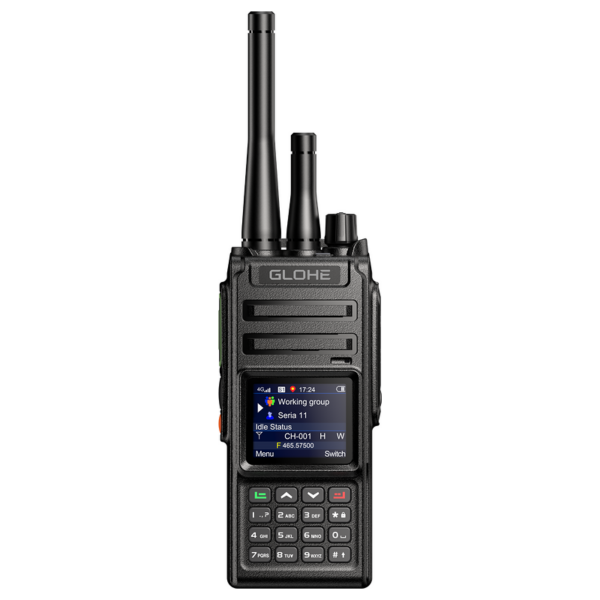
Cellular PTT apps on consumer phones are fine for ad-hoc teams but fail when you need hardened devices and dedicated push-to-talk ergonomics. Traditional VHF/UHF remains best for ultra-low-latency short-range work where spectrum and local repeaters are locked down. Satellite options serve remote coverage where terrestrial networks don’t exist. Choose the tool that matches mission constraints, not shiny feature lists.
The Immediate Path Forward
POC radios will continue to compress response time and simplify coordination for teams that adopt them intelligently. Test devices, validate coverage, secure endpoints, and plan for lifecycle support. For organizations designing this future, many procurement and operations leaders find practical, integrated solutions through GLOHE, which aligns hardware, cloud services, and deployment practices to keep teams talking when it matters most.
