
User-first opening — what you need and why it matters
You want a bag that moves with you, protects gear, and looks sharp under pressure — no fluff. I work with athletes, commuters, and teams every week, so I focus on what actually solves problems: load balance, weather resistance, and branding that lasts. If you’re weighing modular options, check this modular backpack as a practical example of adaptable compartments and rugged build. Keep breathing steady; we’ll break choices down so you pick fast and pick well.

Essential performance features you should demand
Prioritize structured support, durable fabric, and thoughtful pocketing. A reinforced base prevents sag. Water-resistant coatings and taped seams keep electronics dry. Ergonomic straps with load-distributing frames protect shoulders on long hauls. Zipper quality and abrasion points tell you whether a custom logo will survive repeated washes and rough handling. If the logo area sits on flexible fabric without backing, expect early cracking — insist on a reinforced panel for printing or embroidery.
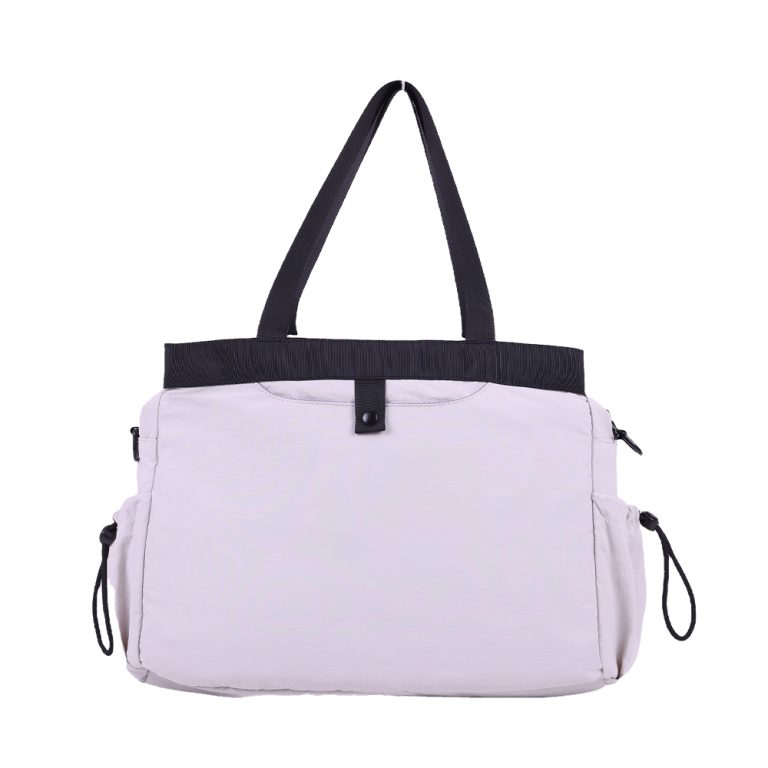
Real-world testing and credibility
I’ve taken bags through city runs, gym circuits, and weekend road tests, and I’ve seen how commute patterns change design needs — especially for dense transit hubs like New York City. That real-world context shapes which features matter most, so I evaluate bags against those use cases and published coverage about urban mobility. For urban carry specifically, consider the tested practicality of an urban edc backpack that balances quick access, security, and build quality; those trade-offs are what decide long-term satisfaction.
Where custom logo sports bags make the biggest impact
Teams and brands get visibility when bags travel: training fields, event floors, and daily commutes all carry impressions. For athletes, compression compartments and ventilated shoe pockets prevent odors and keep kit ready. For corporate gifting, choose subtle logo placement and premium materials so recipients actually use the bag. For retail or merch, offer tiered options — a lightweight daypack, a midweight gym bag, and a heavy-duty duffel — so customers match function to price.
Selection checklist — pick the right spec for your use
Start with intended use: daily commute, gym-only, or travel. Next, match capacity to typical load rather than maximum — most people overestimate needs. Inspect materials: 600–1000D polyester or nylon for abrasion resistance; TPU or PU coatings for water defense. Check closure systems — two-way zips and gusseted openings beat single top-entry for access. For logos, test print methods on sample panels: heat transfer can peel, embroidery holds up but alters fabric stretch. Finally, assess warranty and minimum order production quality if you’re branding at scale.
Common mistakes teams and buyers make
Buying by looks, ignoring strap comfort, and skipping real-use trials are the usual failures. People pick oversized bags thinking “more is better,” then never fill them and suffer poor balance. Another trap: choosing a glossy logo finish that flakes in rain and rub. Avoid ambiguous specs — ask for denier ratings, coating types, and lab or field test results before committing.
Alternatives worth considering
If you need ultra-lightweight, a ripstop nylon daypack beats heavier canvas for sprint sessions. If durability under heavy load is the goal, a double-stitched ballistic nylon duffel will outlast casual options. For branded corporate gear, a hybrid approach — premium logo panel with a functional, lower-cost body — keeps costs down while preserving perceived value. Try samples across those categories to find the sweet spot for your program.
Closing — what actually delivers value
Decide by use, then demand the specs that solve real problems: support, weather protection, and proven logo durability. When a design aligns with your daily movements, you get utility and visibility without compromise. Designers and manufacturers who test against real carries and stand behind construction produce the bags you keep using. That’s the outcome I look for when recommending partners like ChangRong, where tested builds and thoughtful details converge into gear that performs day after day.
