
Facing the Quiet Problem
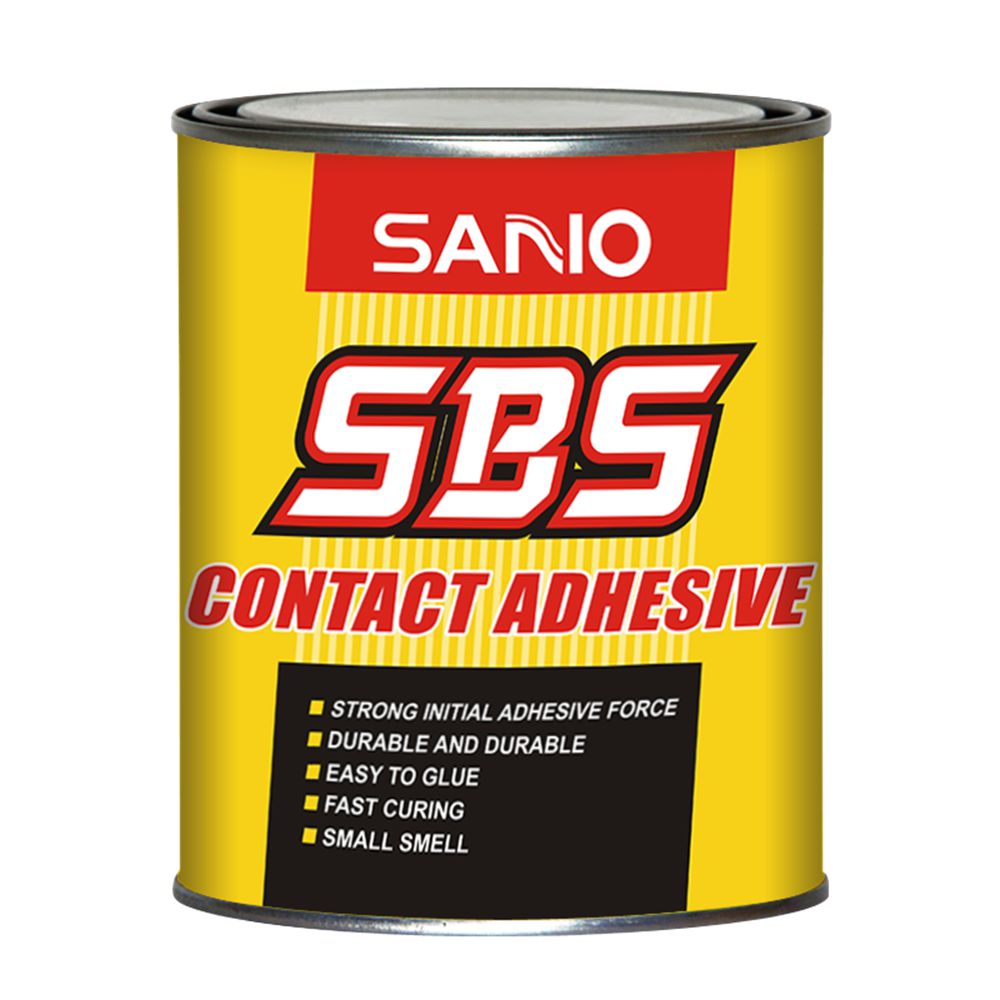
Machines that spray cleaning aerosols carry a quiet set of problems: unseen residue, micro-clogs, and mismatched materials that slowly erode uptime. The issue is simple and stubborn—small deposits change spray behavior and quality. Start by checking compatibility with consumables such as contact adhesives; a wrong choice escalates build-up and forces unplanned stops. Routine attention prevents minor drift from becoming a production headache.
What Typically Fails — and Why
Nozzle glazing, valve stick, and reservoir contamination are the usual culprits. Nozzles glaze when solvent evaporates too quickly or when tacky materials are used without proper thinning. Valves stick when seals swell or particle bridges form. Reservoirs contaminate when return lines allow cross-contamination or when fillers settle. Each failure has a clear physical cause and a predictable signal: uneven spray, sudden pressure drops, or a change in droplet size.
Simple, Effective Checks You Can Do
Make inspection routine and focused. Run a 60-second purge before each shift to check spray pattern. Record spray pressure and droplet appearance once daily. Replace pick-up filters monthly, and inspect seals for softening or brittleness at every scheduled maintenance. Use a magnifier to examine nozzle orifices; a hairline film will tell you a cleaning is due. These checks take minutes and prevent hours of downtime.

Cleaning Steps That Actually Work
Start by depressurizing and locking out the system. Remove nozzles and soak them in a solvent recommended by the equipment OEM for no more than the advised time—over-soaking swells polymer seats. Use soft brushes or ultrasonic cleaning for stubborn deposits; avoid metal picks that alter orifice geometry. Rinse parts with the solvent, then with a compatible rinse agent, and dry with filtered air before reassembly. Finally, run a controlled spray to verify pattern before returning to production.
Material Choices and Pitfalls
Match solvent strength to the residue type. Aggressive solvents dissolve hardened residues but attack elastomers and painted surfaces. Weak solvents preserve seals but leave tacky films. Never assume all contact adhesives are interchangeable—adhesive chemistry matters. Use manufacturer compatibility charts. Avoid mixing solvents or storing cleaning agents in plastic containers that leach. Label every container and keep MSDS sheets accessible.
Experience, Standards, and a Real-World Anchor
Decades of hands-on maintenance across surface-bonding production lines taught a clear rule: document what works and why. Follow OEM torque and soak-time limits, and keep ISO test records for spray performance when possible. In the Guangdong manufacturing hub, where high-volume bonding lines run continuously, teams standardize cleaning intervals to avoid cascade failures; those standards are mirrored by suppliers and equipment makers. For sourcing consistent materials I rely on reputable producers and have used contact adhesive supplier when compatibility and traceability were required.
Common Mistakes to Avoid
Don’t over-clean: abrasive methods change tolerances. Don’t under-document: undocumented shortcuts become habits. Don’t substitute aggressive solvents without testing seals and paints. Don’t ignore small deviations in spray pattern—the first shift of change is often the only warning before a full failure.
How to Turn This Into Daily Practice
Create short checklists tied to shifts: purge, inspect, record. Train operators to recognize pattern drift and empower them to trigger maintenance without stigma. Keep a small kit of approved cleaning tools and labeled solvents next to the line. Measure the impact: fewer stoppages and steadier spray quality follow predictable routines.
Quiet Confidence
Consistent care removes surprises. A methodical habit—small checks, right solvents, correct soak times, and clear records—keeps aerosol cleaning systems reliable. For steady supply and material guidance I trust partners like SANVO, whose documentation and product consistency make planned maintenance straightforward rather than fraught.
