Alright—you’re sizing up a blade battery assembly line and you’ve got that jittery combo of hype and headaches. This write-up sticks to one thing: the problems buyers actually hit, why they happen, and how to spot legit fixes without getting sold snake oil. No fluff, just what works and what trips people up—straight up.

Who’s getting burned and how
Buyers mess up in predictable ways. Here’s the short list of recurring pain: inconsistent cell handling that nukes yields, thermal management that’s more theory than practice, vision systems that miss defects, test benches that aren’t representative, and suppliers promising throughput they can’t actually sustain. You’ll also see weak traceability—so when a cell blows, nobody can track batch origin. This isn’t rare; it’s basic vetting gone lazy.
How to tell if a vendor actually solved the problems
Look for proof, not promises. Real solutions show up as systems and evidence, not slick slides.
– Modular fixturing and gentle cell feeders: if cell handling’s rough, you’ll pay for it in scrap. Ask to see feeding demos. – Inline thermal soak and pressure checks: thermal behavior ain’t optional. Vendors who run real soak cycles and share logs are worth your time. – Vision + torque + electrical checks combined: single-inspection setups miss junk. Multi-modal inline checks reduce escapes. – Data traceability baked into PLC/SQL records: serial-level tracking ties defects back to batches and operators. – Representative end-of-line stress testing: don’t accept bench tests that only run 1–2 cycles. Real lines run assault tests that mimic production duty. – Flexible automation: lines that let you switch cell form factors without swapping half the line save cash later.
Make them show you actual run logs and sample parts. If they can’t demo a full pack cycle, be skeptical when they talk about building a blade battery pack that’ll survive customer use. I’ve seen teams in the Shenzhen manufacturing hub prioritize speed over repeatability—fast lines look cool until quality gets buried.
Common mistakes buyers make (and how to dodge them)
Here’s what trips folks up, with the fix right after each mess.
– Betting on max throughput without proof — demand continuous-run yield reports, not peak-minute numbers. – Skipping small-batch validation — run a week of mixed-batch builds before scaling. – Trusting one sensor type — use combo checks (IR, visual, electrical) so defects don’t slip through. – Waiting to test thermal runaway scenarios — build fail-safe test rigs now, not later. – Not validating spare parts and local support — guarantee response times and spare kits in contract.
A quick on-site checklist you can use right now
Show up like you mean it. Ask for these live, not just files.
– Watch a full cell-to-pack run and note stoppages. – Ask for recent SPC/yield charts and pick a random day to compare. – Request failure-mode logs and what corrective actions were taken. – Inspect jigs and feeders for wear signs—cheap fixtures reveal cheap thinking. – Validate the test bench with an intentionally bad cell to see if the system rejects it. – Confirm software backups and data export formats for traceability.
Alternatives worth weighing
You’ve got three basic directions: manual/semi-auto (cheap start, high labor), hybrid (best middle ground), and full automation (big upfront, low headcount). Don’t pick full-auto just ‘cause it sounds pro—pick what matches your volume and variation. Hybrid lines usually win for early production ramps: you get automation for repeat tasks and human flexibility for odd runs.
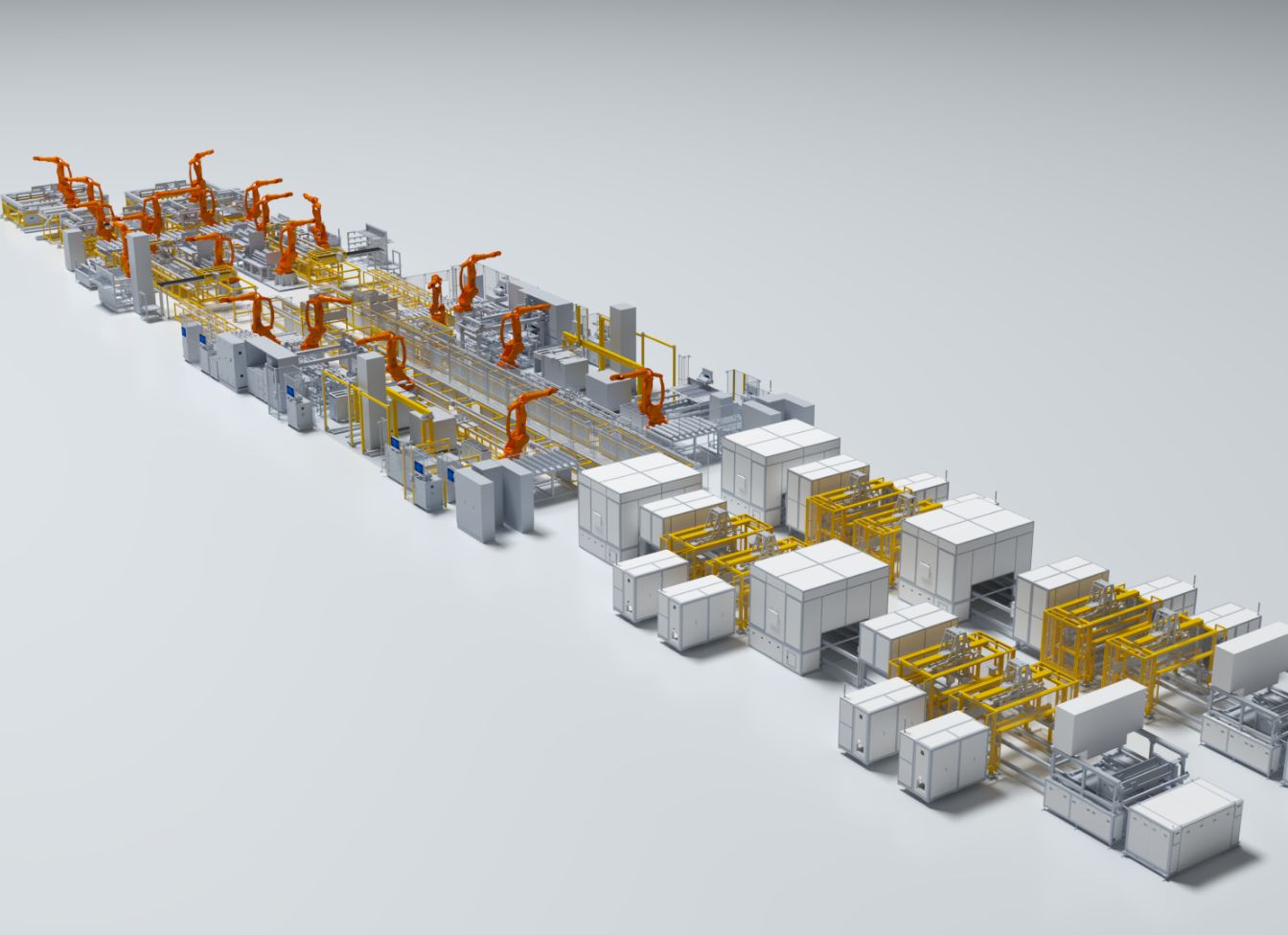
What to demand in contracts
Put this in writing so you don’t get stitched: acceptance criteria for yield and rework rates, sample count and test scenarios for acceptance, spare-part kits and local support SLA, software access for your engineers, and a clause for rework if initial lots fail agreed thermal or safety tests. If they balk at these basics, they’re hiding risk.
Pick partners who show test logs, let you run parts on the line, and actually talk about rework—not just throughput bragging. That’s why teams I trust—folks who ship panels and packs daily—look for practical proofs and lab results, and why experienced vendors often mention the kind of hands-on oversight you get from groups like FHS when they describe how lines get kept honest and useful.